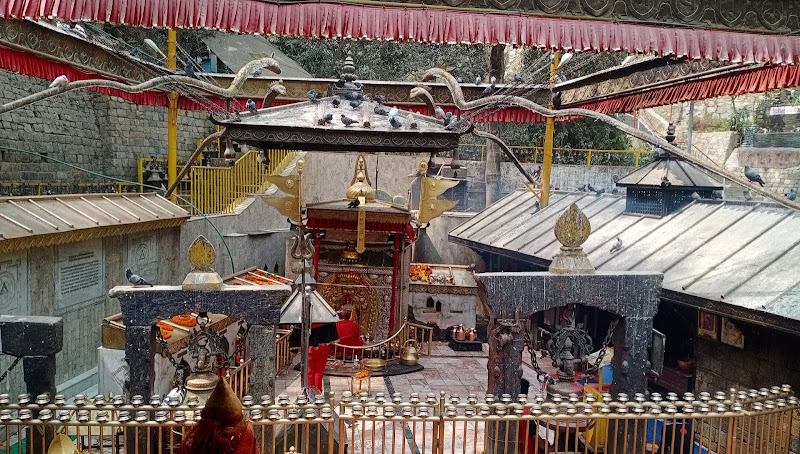
You might expect a regular, peaceful site, but what you get instead is a truly electric atmosphere, seasoned with raw spirituality, mystery, and, honestly, a fair bit of intensity. I remember my first visit like it was yesterday, wandering through throngs of devotees, half-wondering if I’d wandered into a slice of living history or into another universe entirely.
Dedicated to Kali, the fierce Hindu goddess hinted at by her wild-eyed statues and all those piles of marigold garlands, this temple is one of Nepal’s holiest places—especially if you’re curious about the country’s unique blend of tradition, devotion, and, yes, animal sacrifice. Now, let’s talk straight: Dakshinkali isn’t for the faint of heart. You’ll see things here you just won’t see in your average travel brochure, and some visitors do find parts of it confronting. But that’s actually what makes it stand out for me. When you find yourself surrounded by families picnicking in the woods, monks lighting incense, and flocks of chickens—all set against these pine-tree hills—there really is nothing bland about it.
It’s got this jumble of ancient stone, clustered shrines, and incense smoke twisting up into the sky. For travelers looking for something gritty, profound, and maybe even a bit shocking, this place delivers. Is it perfect? No. There are crowds, it gets muddy (bring waterproof shoes, trust me), the toilet facilities aren’t five-star, and folks with wheelchairs will find access tricky. But, wow, if you’re after the real—and sometimes raw—stuff of Nepalese culture, you’ll find it here. Go with curiosity, keep your mind open, and I really think you’ll come away with at least a couple stories to tell.
Key Features
- Atmospheric, sometimes muddy paths (especially right after a rainstorm—it happens more often than you think).
Best Time to Visit
If you’re looking for the sweet spot between crowd size and that moody Nepalese weather, plan for the early mornings—seriously, sunrise prayers are hauntingly beautiful, and you’ll beat the worst of the rush. In my book, October stands out. Why? Well, Dashain happens in the autumn and although it means bigger crowds, the energy is through the roof and you’ll witness rituals you’d never see anywhere else. The weather’s crisp, less muggy, and you’ll even enjoy the drive out with views stretching for miles—if the smog takes a break.
Avoid the rainy season (roughly June to early September) because, honestly, slipping on those temple stones or battling leeches isn’t my idea of fun. Winter mornings (December-February) are foggy but kind of magical in their own right—just bring layers, it gets chilly! Saturdays and Tuesdays are always busy thanks to religious calendars, so if crowds give you hives, try for a weekday trip. But if you love that electric, bustling vibe, go for festival days. You won’t forget it.
How to Get There
All right, transport logistics—because Google Maps only helps so much in Nepal sometimes. Dakshinkali Temple is about 22 km south of central Kathmandu. The quickest way (if you ask locals or if, like me, you prefer not battling for standing space) is by private taxi—relatively cheap if you split with a friend and definitely the easiest. The road there has its curves and dust, but the scenery’s worth a few bumps.
If you’re traveling on a budget, local buses run from Ratna Park and New Road in Kathmandu. Heads up—buses are slow, sardine-tin packed, and not always punctual. But, hey, you’ll get an authentic experience. Most buses drop you off in Pharping or the nearby villages, and from there it’s about a 10–20 minute walk down a leafy lane lined with shops and fortune tellers. Scooters or motorbikes are an appealing move for confident riders (roads aren’t for rookies!), and cycling fans sometimes bike the route for the views (and the exercise). No direct train or metro, but part of what makes Dakshinkali wild is its off-the-beaten-path feel.
And if you’re not into navigating solo? Some travel agencies offer guided trips, which can take the guesswork out of it. But trust me, getting lost for a minute or two is part of the fun. Just ask a local “Dakshinkali?” and someone will always point you the right way. Nepalese people are good like that.
Tips for Visiting
- Dress modestly and respectfully. Cover shoulders and knees—even if it’s blazing hot. You’ll fit right in, and it’s the rule! Trust me, shorts and tanks are a bad idea here.
- Animal sacrifices are real and can be graphic. If that’s not your thing or you get squeamish, steer clear during peak ritual times (early morning, festival days, Saturdays & Tuesdays).
- Photography is generally okay outside the main sanctum, but ALWAYS ask—it’s sacred ground, and the rules can change. Inside the main shrine, cameras and phones are usually a no-go.
- Pack your own water and snacks. Sure, there are vendors, but tap water can be risky for unfamiliar tummies. If you’re a coffee addict like me, consider bringing your own flask (and maybe a packet of instant coffee—just saying!).
- Toilet tip: Restrooms exist, but as a seasoned Asia traveler, I never go anywhere without tissues and hand sanitizer. Learn from my mistakes!
- Wear sturdy shoes. The pathways are uneven and can get slippery, especially during the monsoon. Your sneakers will thank you.
- No wheelchair access, sadly. There are steep steps leading down to the temple. If mobility’s an issue, consider visiting the area without venturing to the main shrine.
- Leave big bags at home or in your hotel. There’s no cloakroom, and crowds can make lugging stuff around a chore. Keep it light and keep your valuables safe.
- Plan for at least 2–3 hours. Between travel, wandering, and people-watching, you’ll want to linger. I’ve spent whole mornings here without realizing.
- If you want to see the temple at its quietest, go during off-peak hours or outside festival days. But if you’re in for an all-out sensory adventure, festivals like Dashain are wild—in a good way—and unforgettable.
- Take time to chat with locals or guides about the temple’s history and stories. Legendary tales are half the fun, and you’ll hear versions that no guidebook dares to print.
Honestly, Dakshinkali Temple isn’t your typical “tick it off the sightseeing list” kind of stop. It’s messy, it’s noisy, it’s deeply sacred, and it’s got character for days. Come with curiosity, a bit of flexibility, and you’ll walk away with stories that’ll stick with you longer than any fridge magnet or selfie. If you’re ready for an experience that feels raw, real, and rare—add it to your itinerary. You might even find yourself coming back. I did.
 Real Journey Travels