
Cooper Hewitt, Smithsonian Design Museum
About Cooper Hewitt, Smithsonian Design Museum
Description
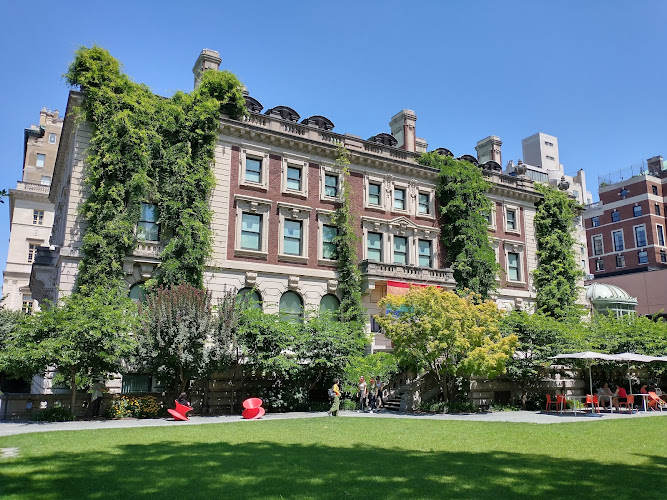
The Cooper Hewitt, Smithsonian Design Museum is the kind of place that sneaks up on you. You think you’re popping into a museum about chairs and posters, and then suddenly you’re standing in a grand old mansion realizing design is basically the invisible hand behind your entire life. Phones, forks, fonts, even the way subway signs tell you where to go. It’s all here, or at least the thinking behind it is. Housed inside the historic Carnegie Mansion on Manhattan’s Upper East Side, the museum feels personal in a way big institutions sometimes don’t. And that’s not an accident. This was once a private home, and you still feel that domestic scale as you move through the rooms. Staircases creak a little. Windows flood galleries with natural light. There’s a sense of wandering rather than marching from gallery to gallery. I remember my first visit, years ago, ducking into a room just to rest my feet and ending up spending 30 minutes obsessed with an exhibit on typography. I didn’t plan that. The museum sort of chose me. The collection focuses on design in all its forms: industrial, graphic, digital, decorative arts, architecture, and things that don’t fit neatly into any category. Rotating exhibitions mean no two visits feel the same, which explains why people keep coming back. One season it’s about sustainable materials, the next it’s immersive digital installations that invite you to touch, draw, and mess around. And yes, touching is encouraged in certain spaces. That alone sets it apart. Outside, the garden wraps around the mansion like a calm afterthought. It’s not huge, but it’s thoughtfully designed and surprisingly quiet given the city buzz just beyond the fence. On warmer days, this alone is reason enough to visit. Grab a coffee, sit down, and watch other visitors puzzle over what they’ve just seen inside. Design tends to do that to people, makes them think out loud. For travelers, the Cooper Hewitt hits a sweet spot. It’s educational without being dry, beautiful without trying too hard, and compact enough that you don’t feel wrung out afterward. And because it’s part of the Smithsonian family, there’s a seriousness to the curation that earns your trust, even when an exhibit challenges what you think design is supposed to be.Key Features
- Housed in the historic Carnegie Mansion, offering an intimate, townhouse-style museum experience rather than a massive hall layout
- Rotating exhibitions that focus on everything from digital interaction to historical decorative arts, so repeat visits actually make sense
- Interactive galleries where visitors can draw, design, and experiment with tools, not just look at objects behind glass
- A thoughtfully designed garden that feels like a pause button in the middle of Manhattan
- Strong emphasis on how design impacts daily life, not just high-end or elite objects
- Onsite cafe and restaurant that are actually pleasant, not an afterthought with bad coffee
- Gift shop curated with real intention, full of design-forward books, tools, and objects you’ll want to use, not hide on a shelf
- Family-friendly spaces and programs that don’t talk down to kids or bore adults
- Accessibility features including wheelchair rentals, assisted listening devices, and step-free access throughout most areas
- A welcoming atmosphere for LGBTQ+ travelers and families, which genuinely matters when you’re planning where to spend your time
Best Time to Visit
Timing your visit to the Cooper Hewitt can make a noticeable difference, especially if you prefer space to think. Weekday mornings tend to be calm, with school groups usually arriving later in the day. If you’re anything like me and like to linger, read wall text slowly, and double back to rooms you liked, this is your window. Late afternoons can also be pleasant, especially during the week. There’s a gentle ebb as visitors drift out, and the museum feels almost contemplative. I once stayed until closing on a rainy Tuesday, and it felt like the building exhaled when the crowds thinned. That’s when the place really shines. Weekends are busier, no surprise there. Families, tourists, design students with sketchbooks. It’s lively, and honestly, that energy can be fun. Just expect to wait a bit for interactive stations. If you’re visiting during peak travel seasons like summer or the holidays, aim for earlier in the day. Seasonally, spring and fall are ideal. Not because of the exhibits (those change year-round) but because the garden becomes a destination in itself. Sitting outside after a museum visit, watching leaves shift or flowers bloom, feels like part of the design experience. Winter visits have their own charm too, especially when you duck inside from the cold and find yourself surrounded by warmth, wood, and ideas.How to Get There
Getting to the Cooper Hewitt is refreshingly straightforward for a New York attraction. Public transportation is the smartest option, hands down. Subways and buses drop you within an easy walk, and that short stroll through the Upper East Side is part of the pleasure. You pass residential buildings, schools, and little slices of everyday city life. It grounds you before stepping into a museum about how everyday things are designed. If you’re coming from another museum nearby, walking is often faster than you think. The neighborhood is flat, and the streets are easy to navigate. I’ve walked there from Central Park more times than I can count, sometimes detouring just because the weather was nice and I wasn’t in a rush. Driving is possible, but it’s not my recommendation. Street parking exists but can be unpredictable, and it adds a layer of stress you really don’t need. If you do arrive by car, plan ahead and give yourself extra time. The museum experience is calmer when your shoulders aren’t already tense. Rideshares work well too, especially if you’re traveling with kids or need door-to-door access. Just be aware that traffic can be a wildcard, particularly during rush hours. Build in a buffer and you’ll be fine.Tips for Visiting
Give yourself at least two hours. I know, it looks manageable at first glance, but the exhibits pull you in. You start reading labels, then watching short videos, then suddenly you’re designing your own pattern on a digital table and time slips away. Don’t skip the interactive spaces, even if you think they’re just for kids. They’re not. I’ve seen adults get way more competitive about digital drawing tools than children ever do. And honestly, it’s a good reminder that play is a serious part of design thinking. Check what exhibitions are on before you go. The permanent collection is strong, but the rotating shows are often the highlight. Some lean more conceptual, others more visual. Knowing what’s on view helps you pace your visit and focus on what excites you. Use the garden strategically. It’s perfect for a mid-visit reset. Sit down, scroll through your photos, or just stare at the landscaping and let your brain catch up. Design overload is real. The cafe is worth a stop, but it can get busy around lunchtime. If you’re hungry and crowds bug you, eat before or after your visit. Or do what I sometimes do: grab a coffee, sit outside, and snack later. Families should know that the museum genuinely welcomes kids. Staff are patient, spaces are designed with movement in mind, and there’s no vibe of shushing curious questions. That’s refreshing. If you’re sensitive to noise or crowds, ask about quieter times or accessibility options when you arrive. The staff are usually helpful and straightforward, no fuss. And finally, don’t rush to buy something in the gift shop just because it looks clever. Walk through once, then circle back. Design has a way of growing on you, and what you dismissed at first might suddenly feel essential five minutes later. I’ve learned that lesson the hard way, more than once. The Cooper Hewitt doesn’t shout for attention. It doesn’t have blockbuster hype or endless galleries. But for travelers who like to understand a place through its ideas, through how people shape objects and spaces, it’s a deeply satisfying stop. You leave seeing the world a little differently. And that, in my book, is a successful museum visit.Key Features
- Housed in the historic Carnegie Mansion, offering an intimate, townhouse-style museum experience rather than a massive hall layout
- Rotating exhibitions that focus on everything from digital interaction to historical decorative arts, so repeat visits actually make sense
- Interactive galleries where visitors can draw, design, and experiment with tools, not just look at objects behind glass
- A thoughtfully designed garden that feels like a pause button in the middle of Manhattan
- Strong emphasis on how design impacts daily life, not just high-end or elite objects
- Onsite cafe and restaurant that are actually pleasant, not an afterthought with bad coffee
- Gift shop curated with real intention, full of design-forward books, tools, and objects you’ll want to use, not hide on a shelf
- Family-friendly spaces and programs that don’t talk down to kids or bore adults
More Details
Updated December 31, 2025
Description
The Cooper Hewitt, Smithsonian Design Museum is the kind of place that sneaks up on you. You think you’re popping into a museum about chairs and posters, and then suddenly you’re standing in a grand old mansion realizing design is basically the invisible hand behind your entire life. Phones, forks, fonts, even the way subway signs tell you where to go. It’s all here, or at least the thinking behind it is.
Housed inside the historic Carnegie Mansion on Manhattan’s Upper East Side, the museum feels personal in a way big institutions sometimes don’t. And that’s not an accident. This was once a private home, and you still feel that domestic scale as you move through the rooms. Staircases creak a little. Windows flood galleries with natural light. There’s a sense of wandering rather than marching from gallery to gallery. I remember my first visit, years ago, ducking into a room just to rest my feet and ending up spending 30 minutes obsessed with an exhibit on typography. I didn’t plan that. The museum sort of chose me.
The collection focuses on design in all its forms: industrial, graphic, digital, decorative arts, architecture, and things that don’t fit neatly into any category. Rotating exhibitions mean no two visits feel the same, which explains why people keep coming back. One season it’s about sustainable materials, the next it’s immersive digital installations that invite you to touch, draw, and mess around. And yes, touching is encouraged in certain spaces. That alone sets it apart.
Outside, the garden wraps around the mansion like a calm afterthought. It’s not huge, but it’s thoughtfully designed and surprisingly quiet given the city buzz just beyond the fence. On warmer days, this alone is reason enough to visit. Grab a coffee, sit down, and watch other visitors puzzle over what they’ve just seen inside. Design tends to do that to people, makes them think out loud.
For travelers, the Cooper Hewitt hits a sweet spot. It’s educational without being dry, beautiful without trying too hard, and compact enough that you don’t feel wrung out afterward. And because it’s part of the Smithsonian family, there’s a seriousness to the curation that earns your trust, even when an exhibit challenges what you think design is supposed to be.
Key Features
- Housed in the historic Carnegie Mansion, offering an intimate, townhouse-style museum experience rather than a massive hall layout
- Rotating exhibitions that focus on everything from digital interaction to historical decorative arts, so repeat visits actually make sense
- Interactive galleries where visitors can draw, design, and experiment with tools, not just look at objects behind glass
- A thoughtfully designed garden that feels like a pause button in the middle of Manhattan
- Strong emphasis on how design impacts daily life, not just high-end or elite objects
- Onsite cafe and restaurant that are actually pleasant, not an afterthought with bad coffee
- Gift shop curated with real intention, full of design-forward books, tools, and objects you’ll want to use, not hide on a shelf
- Family-friendly spaces and programs that don’t talk down to kids or bore adults
- Accessibility features including wheelchair rentals, assisted listening devices, and step-free access throughout most areas
- A welcoming atmosphere for LGBTQ+ travelers and families, which genuinely matters when you’re planning where to spend your time
Best Time to Visit
Timing your visit to the Cooper Hewitt can make a noticeable difference, especially if you prefer space to think. Weekday mornings tend to be calm, with school groups usually arriving later in the day. If you’re anything like me and like to linger, read wall text slowly, and double back to rooms you liked, this is your window.
Late afternoons can also be pleasant, especially during the week. There’s a gentle ebb as visitors drift out, and the museum feels almost contemplative. I once stayed until closing on a rainy Tuesday, and it felt like the building exhaled when the crowds thinned. That’s when the place really shines.
Weekends are busier, no surprise there. Families, tourists, design students with sketchbooks. It’s lively, and honestly, that energy can be fun. Just expect to wait a bit for interactive stations. If you’re visiting during peak travel seasons like summer or the holidays, aim for earlier in the day.
Seasonally, spring and fall are ideal. Not because of the exhibits (those change year-round) but because the garden becomes a destination in itself. Sitting outside after a museum visit, watching leaves shift or flowers bloom, feels like part of the design experience. Winter visits have their own charm too, especially when you duck inside from the cold and find yourself surrounded by warmth, wood, and ideas.
How to Get There
Getting to the Cooper Hewitt is refreshingly straightforward for a New York attraction. Public transportation is the smartest option, hands down. Subways and buses drop you within an easy walk, and that short stroll through the Upper East Side is part of the pleasure. You pass residential buildings, schools, and little slices of everyday city life. It grounds you before stepping into a museum about how everyday things are designed.
If you’re coming from another museum nearby, walking is often faster than you think. The neighborhood is flat, and the streets are easy to navigate. I’ve walked there from Central Park more times than I can count, sometimes detouring just because the weather was nice and I wasn’t in a rush.
Driving is possible, but it’s not my recommendation. Street parking exists but can be unpredictable, and it adds a layer of stress you really don’t need. If you do arrive by car, plan ahead and give yourself extra time. The museum experience is calmer when your shoulders aren’t already tense.
Rideshares work well too, especially if you’re traveling with kids or need door-to-door access. Just be aware that traffic can be a wildcard, particularly during rush hours. Build in a buffer and you’ll be fine.
Tips for Visiting
Give yourself at least two hours. I know, it looks manageable at first glance, but the exhibits pull you in. You start reading labels, then watching short videos, then suddenly you’re designing your own pattern on a digital table and time slips away.
Don’t skip the interactive spaces, even if you think they’re just for kids. They’re not. I’ve seen adults get way more competitive about digital drawing tools than children ever do. And honestly, it’s a good reminder that play is a serious part of design thinking.
Check what exhibitions are on before you go. The permanent collection is strong, but the rotating shows are often the highlight. Some lean more conceptual, others more visual. Knowing what’s on view helps you pace your visit and focus on what excites you.
Use the garden strategically. It’s perfect for a mid-visit reset. Sit down, scroll through your photos, or just stare at the landscaping and let your brain catch up. Design overload is real.
The cafe is worth a stop, but it can get busy around lunchtime. If you’re hungry and crowds bug you, eat before or after your visit. Or do what I sometimes do: grab a coffee, sit outside, and snack later.
Families should know that the museum genuinely welcomes kids. Staff are patient, spaces are designed with movement in mind, and there’s no vibe of shushing curious questions. That’s refreshing.
If you’re sensitive to noise or crowds, ask about quieter times or accessibility options when you arrive. The staff are usually helpful and straightforward, no fuss.
And finally, don’t rush to buy something in the gift shop just because it looks clever. Walk through once, then circle back. Design has a way of growing on you, and what you dismissed at first might suddenly feel essential five minutes later. I’ve learned that lesson the hard way, more than once.
The Cooper Hewitt doesn’t shout for attention. It doesn’t have blockbuster hype or endless galleries. But for travelers who like to understand a place through its ideas, through how people shape objects and spaces, it’s a deeply satisfying stop. You leave seeing the world a little differently. And that, in my book, is a successful museum visit.
Key Highlights
- Housed in the historic Carnegie Mansion, offering an intimate, townhouse-style museum experience rather than a massive hall layout
- Rotating exhibitions that focus on everything from digital interaction to historical decorative arts, so repeat visits actually make sense
- Interactive galleries where visitors can draw, design, and experiment with tools, not just look at objects behind glass
- A thoughtfully designed garden that feels like a pause button in the middle of Manhattan
- Strong emphasis on how design impacts daily life, not just high-end or elite objects
- Onsite cafe and restaurant that are actually pleasant, not an afterthought with bad coffee
- Gift shop curated with real intention, full of design-forward books, tools, and objects you’ll want to use, not hide on a shelf
- Family-friendly spaces and programs that don’t talk down to kids or bore adults
Location
Places to Stay Near Cooper Hewitt, Smithsonian Design Museum
Find and Book a Tour
Explore More Travel Guides
No reviews found! Be the first to review!
Traveler Reviews for Cooper Hewitt, Smithsonian Design Museum
There are no reviews yet. Be the first one to write one.
Have you visited Cooper Hewitt, Smithsonian Design Museum? Help other travelers by sharing your review.
You Might Also Like
Tenement Museum

Tsushima
Bronx Zoo
Find Accommodations Nearby
Recommended Tours & Activities
Visitor Reviews
There are no reviews yet. Be the first one to write one.
Share Your Experience
Have you visited Cooper Hewitt, Smithsonian Design Museum? Help other travelers by leaving a review.