
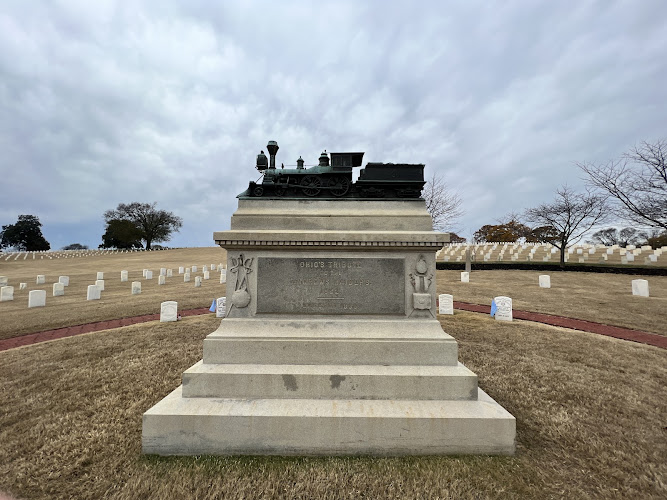
Chattanooga National Cemetery
About Chattanooga National Cemetery
The Chattanooga National Cemetery is one of those places that quietly gets under your skin. Established in 1863, right in the thick of the Civil War, it carries that weight without ever feeling heavy-handed about it. You walk in expecting history, sure, but what hits you first is how calm it feels. The rolling hills, the long rows of white markers, the old trees doing their patient thing. It’s scenic in a way that sneaks up on you.
This is an active military cemetery, which matters. Veterans from nearly every major American conflict are buried here, from Civil War soldiers to more recent service members. It’s not frozen in time, and that gives it a different energy than a standard historical site. You’re not just reading about history; you’re standing inside it. And yes, that can be emotional. I remember visiting on a warm afternoon and hearing nothing but birds and distant traffic, and thinking how strange it was that such a peaceful place exists because of war.
For travelers passing through Chattanooga, this cemetery often gets overlooked in favor of mountains or river views. That’s a mistake, honestly. The grounds are beautifully maintained, and the monuments and memorials scattered throughout tell layered stories. Some are grand and obvious. Others you almost miss if you’re not paying attention, which is kind of the point. It rewards slow walking and wandering without a strict plan.
One thing I appreciate is that the site doesn’t feel touristy. You won’t see souvenir shops or flashy signage. And that’s good. It keeps the focus where it should be: remembrance, reflection, and respect. Still, it’s absolutely a worthwhile tourist attraction, especially if you’re interested in American history, military heritage, or even landscape photography. The light in the late afternoon is unreal, by the way.
Key Features
- Historic military cemetery established during the Civil War in 1863
- Final resting place for veterans from multiple U.S. wars and eras
- Thoughtfully designed monuments and memorials honoring different units and sacrifices
- Scenic, park-like setting with rolling terrain and mature trees
- Wheelchair accessible entrance, parking, and restrooms for inclusive visiting
- Free parking on-site, which is always a small but meaningful win for travelers
- Well-maintained grounds that encourage quiet walking and reflection
One feature people don’t always talk about is how navigable the cemetery is. Paths are wide, signage is clear but not intrusive, and you don’t feel lost or overwhelmed. I once watched an older couple tracing a name on a headstone, holding hands, moving slowly. That image stuck with me. The place allows for those moments without rushing you along.
Best Time to Visit
The best time to visit the Chattanooga National Cemetery is, in my opinion, spring or fall. Spring brings green hills and flowering trees, while fall offers cooler temperatures and golden light that makes the white markers glow softly. Summers can be warm and humid, which isn’t ideal if you plan to walk the full grounds, though early mornings help. Winter is quieter and more subdued, and while it can be chilly, there’s something stark and honest about visiting then.
If you’re sensitive to crowds, don’t worry too much. This place rarely feels crowded. That said, weekends, especially around Memorial Day or Veterans Day, can be busier. Those days come with ceremonies and increased foot traffic, which can be meaningful to witness if you’re okay sharing the space. If you’re after solitude, aim for a weekday morning. I’ve had entire sections to myself before, and it’s powerful in a low-key way.
Weather matters more than you might think. There’s a lot of walking involved if you want to see the full cemetery, and shade is plentiful but not everywhere. Comfortable shoes are non-negotiable. I learned that the hard way once, showing up in what I thought were decent walking sandals. Regret followed.
How to Get There
Getting to the Chattanooga National Cemetery is straightforward if you’re already in or near downtown Chattanooga. It’s well-known locally, and most navigation apps recognize it easily. The drive itself isn’t complicated, and the surrounding area transitions from urban to quiet residential fairly quickly, which kind of eases you into the mood of the place.
If you’re traveling by car, free parking is available on-site, which removes a layer of stress right away. There’s something comforting about not feeding a meter when you’re there to reflect. Public transportation options exist in the broader city, but for most travelers, driving is the most practical choice. Once you arrive, everything is walkable within the cemetery grounds.
And just a small heads-up: follow posted signs carefully as you approach. The entrances are clear, but it’s easy to second-guess yourself if you’re unfamiliar with the area. Trust the signs. They’ll get you there.
Tips for Visiting
First and foremost, remember where you are. This isn’t a park in the casual sense, even though it looks like one. Keep voices low, silence your phone, and be mindful of others who may be visiting loved ones. I’ve seen a few tourists realize this halfway through their visit and shift gears, and that awareness matters.
Plan to spend at least an hour here, more if you like reading inscriptions and exploring memorials. There’s no rush, and honestly, rushing would miss the point. Bring water, especially in warmer months, and maybe a small notebook if you’re the reflective type. I sometimes jot down thoughts when places stir something up, and this one does.
Photography is allowed, and photographers will find plenty to work with. Just be respectful. Avoid close-ups of services or mourners, obviously. Early morning and late afternoon offer the best natural light, and cloudy days can actually be fantastic for moody, thoughtful shots.
Accessibility is handled well here. Wheelchair accessible entrances, parking, and restrooms make it possible for more visitors to experience the grounds fully. Paths are generally smooth, though some areas have gentle slopes. If mobility is a concern, stick to the main routes and you’ll still see plenty.
If you’re visiting with kids, set expectations ahead of time. This can be a meaningful educational stop, but only if they understand the tone. Short visits work best for younger children. Teenagers, on the other hand, often surprise you with how engaged they become, especially if you share a bit of historical context.
And finally, give yourself a moment before you leave. Sit on a bench. Look around. Let it sink in. I’ve left this cemetery feeling quieter inside, in a good way. It’s not flashy, and it doesn’t try to be. But for travelers looking to understand Chattanooga beyond the usual attractions, the Chattanooga National Cemetery offers depth, history, and a kind of calm that’s hard to find elsewhere.
Key Features
- Historic military cemetery established during the Civil War in 1863
- Final resting place for veterans from multiple U.S. wars and eras
- Thoughtfully designed monuments and memorials honoring different units and sacrifices
- Scenic, park-like setting with rolling terrain and mature trees
- Wheelchair accessible entrance, parking, and restrooms for inclusive visiting
- Free parking on-site, which is always a small but meaningful win for travelers
- Well-maintained grounds that encourage quiet walking and reflection
You Might Also Like

Audubon Acres

Bessie Smith Cultural Center and Chattanooga African American Museum

Bluff View Art District
Tours & Activities
GetYourGuide provides this tour inventory. We may earn a commission if you book through it; verify current availability, prices, and terms with the provider.
Visitor Reviews
There are no reviews yet. Be the first one to write one.
Share Your Experience
Have you visited Chattanooga National Cemetery? Help other travelers by leaving a review.