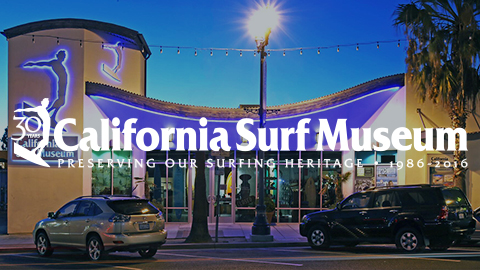
It reads like a living scrapbook: old wooden boards with dings and stories, glossy modern shapes that look like they could fly, black-and-white photographs that smell of salt (well, not literally, but almost). The museum frames surfing not just as a sport but as an evolving cultural practice — one that shaped coastal towns, influenced music and fashion, and produced its own heroes and myths.
Visitors will find a chronological, hands-on approach to storytelling. Early sections focus on the raw, handcrafted era: Hawaiian alaia and hollowed-out wooden boards from the late 19th and early 20th centuries. These pieces feel intimate; they are not just artifacts but traces of people learning a new way to move through water. Later galleries showcase the technological leaps — balsa boards, foam-and-fiberglass revolution, the shortboard transition of the 1960s — each display annotated with context about who shaped it and why it mattered. The museum is picky in a good way: it highlights iconic makers, legendary shapers, and the small local innovators who never hit the national headlines but changed how people surfed in their communities.
One thing that stands out — and the writer is admittedly a bit nostalgic about this — is the way personal stories are woven into the exhibits. Letters, magazine clippings, old competition posters, even a tattered competition jersey once worn by a hometown favorite are on display. That human thread helps explain why surfers fought for local lineups, how surf competitions changed social dynamics, and why beachfront towns like Oceanside carry surf history so close to their identity. It’s not just technique and equipment; it’s rivalry, community, protest, and celebration all in one place.
The museum does a solid job balancing the canonical surf icons with regional and underrepresented voices. Expect to see nods to the big names — the champions, the boundary-pushers — but also to local legends, women surfers who pushed for recognition, and the contributions of indigenous Hawaiian watermen that predate modern surf culture. A few of the exhibit cases are dedicated to oral histories: recorded interviews and transcript excerpts that capture the voice of a vanishing generation of shapers and riders. Those little audio booths are a personal favorite for many visitors; hearing someone describe a perfect dawn surf from decades ago can be unexpectedly moving.
The exhibit layout leans toward a linear timeline, but there are thematic pockets too: photography and art installations, a mini-theater showing archival surf films, and rotating shows that keep the experience fresh even for repeat visitors. Sometimes the museum hosts temporary exhibits on subjects like surfboard art, environmental advocacy tied to coastal conservation, or a retrospective on a local surf club. Those rotating displays are where the museum gets playful and experimental — and often where local artists and makers show their best work.
Practical amenities are straightforward and thoughtfully arranged. Onsite tours are available for groups who want a guided walk-through with context and anecdotes — helpful if someone in the group is new to surf history or if the visit is part of a larger research interest. There’s a small, well-curated gift shop with books, prints, shirts, and replica memorabilia; it’s the sort of place to pick up a thoughtful, surf-centric souvenir that doesn’t scream tourist trap. The space is accessible, with wheelchair-friendly entrances and restrooms, and on-site parking which, in a beach town, is one less thing to worry about.
While the museum presents itself as family-friendly — and it genuinely is, with kid-appropriate displays and tactile elements — it still rewards the curious adult. Children tend to adore the bright surfboards and colorful photos; adults linger over the lesser-known histories and the technical details of board construction. The museum’s educational programs occasionally include family workshops and shaping demos, which are great for hands-on learning. If a school group is in town, the museum is set up to handle that educational crowd without feeling cramped.
The tone of the place is approachable, never dry. Docents often have a surf story or two, and that local knowledge gives the museum a lived-in, neighborhood vibe rather than a pristine, textbook feel. This is a museum that will occasionally make a visitor smile with a cheeky exhibit label or get thoughtful with a display about the environmental impacts of coastal development and how surfers have been both victims and advocates in those stories. The museum does not shy away from the complicated parts of surf history — commercialization, cultural appropriation, and the tension between localism and the global popularity of the sport — and that measured honesty is refreshing.
As with any smaller specialized museum, there are trade-offs. The collection is concentrated rather than sprawling, and some visitors expecting a massive institution might be surprised by its modest footprint. But that compactness is part of its charm: exhibits feel curated with intention, not stuffed to impress. For people who adore tactile details — the way foam smells, how fiberglass reflects light, the handwritten notes on an old competition poster — this is a nearly perfect stop.
Insider notes: the museum occasionally runs evening events and talks with historians, photographers, and former pros. These are often low-key, high-value events where conversations go deeper than the exhibits alone. The museum also participates in local community days and sometimes offers discounts for military personnel, a detail appreciated by many visiting service members and families connected to the nearby bases.
For photographers and writers, the museum is a gem. It offers strong visual content — type, texture, and story — without the crowds that make shooting tough in larger institutions. The lighting is generally friendly to cameras, and most exhibits have descriptive plaques with dates, maker names, and provenance. Researchers should note that certain archive materials may be available by request, so if someone’s working on a deeper project, contacting the museum ahead of time is a smart move.
Finally, it’s worth mentioning the emotional effect. The museum has a way of evoking the sea without being near the breakers — photos of carved wakes, old film loops of surfers carving lines, and the scent of sun-warmed wax in the gift shop all conspire to create a seaside mood. Even for visitors who don’t surf, the museum tells a larger story about how humans create cultural rituals around place and play. For many, that perspective is unexpectedly moving, and for some, it even sparks a desire to take a beginner lesson afterwards. The museum doesn’t try to sell surfing as a pastime to everyone — it simply tells the story, and sometimes that story is enough to change a mind.
 Real Journey Travels