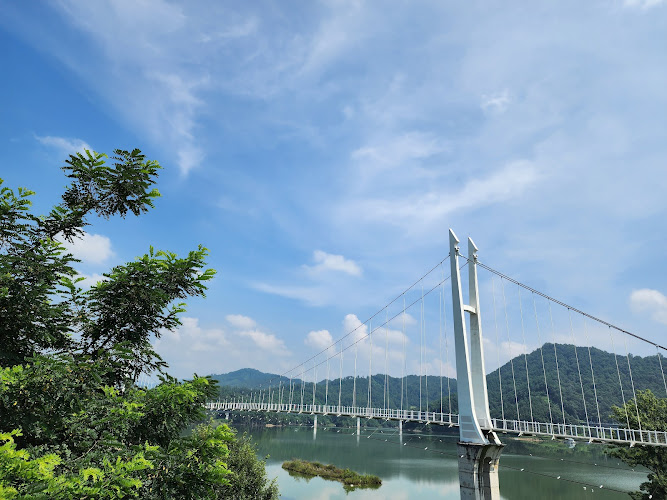
This remarkable structure isn’t just a means of crossing water—it’s become a destination in itself, drawing visitors who seek both adventure and tranquility in equal measure.
What strikes most visitors first is the bridge’s impressive engineering combined with its harmonious integration into the natural landscape. The suspension design creates gentle swaying motions as you walk, adding just enough thrill to make the crossing memorable without being overwhelming. And honestly, there’s something almost meditative about the rhythmic movement paired with the stunning panoramic views.
Built in 2018, this modern marvel spans approximately 150 meters across Buhang Dam, offering unobstructed views of the surrounding mountains and pristine waters below. The bridge sits at a height that provides excellent photo opportunities while maintaining accessibility for visitors of varying comfort levels with heights. During my research into visitor experiences, it’s clear that many people find the bridge less intimidating than expected, making it suitable for families and those who might typically avoid suspension bridges.
The location itself tells a story of thoughtful tourism development. Rather than overwhelming the natural beauty, the bridge enhances it, creating a viewing platform that showcases the region’s mountainous terrain and the dam’s impressive scale. The structure’s design incorporates safety features that don’t detract from its aesthetic appeal, and the walkway provides enough space for visitors to pause and appreciate the scenery without feeling crowded.
What many visitors don’t anticipate is how the experience changes throughout the day. Morning fog often creates an almost mystical atmosphere around the bridge, while afternoon light brings out the vibrant colors of the surrounding forest. But it’s during evening hours when the bridge truly transforms—illuminated against the darkening sky, it becomes a beacon that reflects beautifully in the calm dam waters.
Key Features
The Buhang Dam Suspension Bridge offers several distinctive features that set it apart from other tourist bridges in South Korea:
Best Time to Visit
Timing your visit to Buhang Dam Suspension Bridge can dramatically impact your experience, and there are several factors worth considering beyond just weather conditions.
Spring months from April through May offer some of the most comfortable walking conditions. Temperatures hover around 15-20°C (59-68°F), and the surrounding mountains showcase fresh green foliage that creates stunning contrast against the blue dam waters. However, spring can bring occasional rain showers, so checking weather forecasts becomes essential.
Summer visits from June through August provide the longest daylight hours for photography, but you’ll want to plan for early morning or evening crossings to avoid the intense midday heat. The bridge offers little shade, and temperatures can reach 30°C (86°F) or higher during peak summer. But here’s something interesting—summer evening visits around 6-8 PM often provide the most dramatic lighting conditions as the sun sets behind the mountains.
Autumn, particularly October through November, delivers what many consider the premier Buhang Dam Suspension Bridge experience. The surrounding mountains explode in reds, oranges, and yellows, creating a natural masterpiece that photographs beautifully from the bridge’s vantage point. Temperatures drop to comfortable levels around 10-18°C (50-64°F), making longer visits more enjoyable.
Winter months shouldn’t be dismissed entirely, though they require more careful planning. Snow-covered mountains provide dramatic backdrops, and the bridge’s illumination against winter landscapes creates almost ethereal scenes. Temperatures can drop below freezing, and ice conditions may affect accessibility, so checking current conditions becomes crucial.
For avoiding crowds, weekday visits generally offer more peaceful experiences than weekends. Early morning visits around 8-9 AM or late afternoon after 4 PM tend to have fewer tour groups. And if you’re particularly interested in photography, the golden hour shortly before sunset provides exceptional lighting conditions year-round.
How to Get There
Reaching Buhang Dam Suspension Bridge requires some planning, as it’s located in a relatively rural area of Gimcheon, but several transportation options make the journey manageable for most travelers.
By car remains the most convenient option for most visitors. From Seoul, expect approximately a 3-hour drive via the Gyeongbu Expressway (Highway 1). Take Exit 22 toward Gimcheon, then follow local roads toward Buhang Dam. The route includes some winding mountain roads during the final 20 kilometers, but they’re well-maintained and clearly marked. GPS navigation works reliably in this area, though having offline maps downloaded can provide backup if mobile signals weaken in mountainous sections.
Public transportation requires more planning but remains feasible. Take the KTX high-speed train from Seoul Station to Gimcheon-Gumi Station, which takes about 2 hours. From there, local buses run toward the dam area, though services may be limited to 2-3 departures daily. Bus schedules can change seasonally, so confirming current timetables before traveling prevents disappointment.
Many visitors find organized day tours from major cities like Seoul or Busan offer the most stress-free experience. These typically include transportation, basic meals, and sometimes combine the bridge visit with other regional attractions. Tour operators familiar with the area can provide insights about optimal timing and weather considerations that independent travelers might miss.
For those staying in Gimcheon city center, taxi services to the bridge cost approximately 15,000-20,000 KRW one-way. Arrange return transportation in advance, as finding available taxis at the bridge location can be challenging, especially during off-peak hours.
Parking at the bridge includes designated accessible spaces near the walkway entrance. The parking area accommodates approximately 50 vehicles, but during peak seasons or weekends, arriving early helps secure convenient spots. Parking fees are minimal, typically around 2,000 KRW for the day.
Tips for Visiting
Smart preparation can transform your Buhang Dam Suspension Bridge visit from good to exceptional, and there are several insider considerations that most guidebooks don’t mention.
Dress practically rather than fashionably for this excursion. The bridge walkway can be windy, and comfortable, non-slip shoes become essential—especially if you plan to spend time taking photos or simply enjoying the views. Layers work better than heavy coats, as you can adjust for changing conditions throughout the day. And trust me on this one: bring a light jacket even during summer visits, as temperatures over water can feel cooler than expected.
Photography enthusiasts should plan for multiple battery packs and consider bringing a tripod, especially for evening visits. The bridge’s slight movement means longer exposure shots require extra stability. Early morning visits often provide clearer atmospheric conditions and fewer people in your shots, while sunset timing creates dramatic silhouettes and reflections.
The bridge’s accessible design means wheelchair users and those with mobility challenges can enjoy the full experience, but checking current conditions before traveling ensures no temporary maintenance work affects accessibility features. The pathway remains wide enough for mobility devices throughout its length.
Weather changes quickly in mountainous areas, so monitoring forecasts becomes more critical than for urban attractions. Fog can roll in rapidly during morning hours, creating beautiful atmospheric conditions but potentially limiting visibility. Light rain doesn’t necessarily ruin the experience—many visitors report that misty conditions add mystique to the scenery.
Bring snacks and water, as food options near the bridge remain limited. The nearest restaurants and convenience stores are back toward Gimcheon city center. However, this isolation contributes to the location’s peaceful atmosphere, so embracing the remote feeling rather than fighting it enhances the overall experience.
Consider timing your visit to avoid major Korean holidays when domestic tourism peaks. Alternative dates just before or after holiday periods provide better experiences with fewer crowds and easier parking availability.
The bridge crossing itself takes only 10-15 minutes at a casual pace, but most visitors spend 45 minutes to an hour in the area taking photos and enjoying the scenery. Planning for this extended time helps create a more relaxed visit rather than feeling rushed to return to transportation schedules.
 Real Journey Travels