
Arkong Bato (Valenzuela/Malabon Boundary)
About Arkong Bato (Valenzuela/Malabon Boundary)
Description
Arkong Bato is one of those places that looks deceptively simple when you first see it. A stone arch, a marker, some traffic passing by, life moving fast. But give it a minute. Or better yet, give it a story. Sitting right on the boundary between Valenzuela and Malabon, Arkong Bato quietly carries the weight of centuries, and I mean that literally. This was once a crucial boundary marker dating back to the Spanish colonial period, when territories were measured not by GPS but by rivers, stones, and whoever had the authority that year.
The name itself comes from arkong bato, roughly translating to stone arch. Back in the day, this stone structure marked the edge of the old town of Polo (now Valenzuela) and Tambobong (now Malabon). I remember passing by it years ago on a jeepney, half-asleep, thinking it was just another roadside monument. It wasn’t until later, after reading up and actually stopping to look, that it clicked. This stone watched generations argue about borders, trade fish along the river, and probably complain about floods too. Some things never change.
For travelers interested in Philippine history beyond museums and textbooks, Arkong Bato offers something more grounded. It’s not polished or overly curated. And honestly, that’s part of the charm. You’re seeing history where it happened, not behind glass. The Pasig River’s northern tributaries once made this a strategic location, and you can still sense that importance even with modern noise buzzing around.
Is it grand? No. Is it meaningful? Absolutely. It’s the kind of landmark that rewards curiosity. You stand there and imagine Spanish friars, local leaders, and traders passing through, long before malls and flyovers took over the skyline. And if you’re the type who likes offbeat historical spots, the ones your friends might not have on their feed yet, this place fits you well.
Key Features
- Historic Boundary Marker: Marks the old territorial division between Valenzuela (formerly Polo) and Malabon (formerly Tambobong).
- Spanish Colonial Era Origins: Established during the Spanish period, making it several centuries old.
- Stone Arch Construction: Built using traditional masonry techniques, simple but sturdy.
- Riverside Context: Located near waterways that once played a major role in trade and transport.
- Accessible Urban Landmark: Easy to reach and visible from the road, no long hikes required.
- Local Symbolism: Holds cultural importance for residents of both Valenzuela and Malabon.
- Underrated Photo Spot: Especially interesting for travelers who enjoy gritty, real-life urban history shots.
Best Time to Visit
If you ask me, early morning is your best bet. Not because of golden-hour magic or influencer nonsense, but because the area is calmer. Traffic hasn’t fully woken up yet, and you can actually stand near the marker without feeling rushed or inhaling too much exhaust. I once went around 7 a.m., coffee in hand, and it felt oddly peaceful considering where it is.
Dry season months, roughly November to May, are ideal. During the rainy season, the nearby river can swell, and the surrounding area gets muddy or slippery. Flooding isn’t unheard of, especially after heavy rains. So yeah, maybe skip visiting right after a typhoon unless you’re into that kind of adventure. And heat-wise, midday can be brutal. There’s little shade, and the stone absorbs heat like it’s holding a grudge.
Weekdays tend to be quieter than weekends. Fewer people stopping, fewer vehicles lingering. If you want to take photos or just read the marker without distraction, plan accordingly. There’s no ticket booth, no opening hours. History here doesn’t clock in or out.
How to Get There
Getting to Arkong Bato is pretty straightforward, which is one reason locals barely think about it anymore. From central Metro Manila, you’re looking at a mix of jeepney, bus, or ride-hailing app, depending on your patience level. If you’re coming from Valenzuela City proper, just head toward the boundary area with Malabon. Jeepneys with routes passing through Polo or Malabon usually go near it.
Coming from Malabon? Same story, different direction. Ask any local driver about Arkong Bato and you’ll get a nod. Or a finger pointing vaguely forward, which still counts. And if you’re using a private vehicle, be prepared for tight roads and sudden stops. Parking isn’t really a thing here. Most visitors just stop briefly, take it in, then move on.
I’ll be honest, this isn’t a destination you spend hours at. It’s more of a meaningful stop. Pair it with a food trip in Malabon or a heritage walk in Valenzuela, and suddenly it makes more sense. That’s usually how I recommend doing it.
Tips for Visiting
First tip: manage expectations. Arkong Bato won’t overwhelm you visually. It’s not supposed to. Go there for the story, not the spectacle. Read up a bit before you arrive so the stone actually means something to you.
Second, be mindful of your surroundings. This is a busy urban area. Watch your belongings, be aware of traffic, and don’t linger in the road trying to get the perfect angle. I’ve seen people nearly get clipped by motorcycles just because they wanted a photo.
Third, talk to locals if you get the chance. Some of the older residents have fascinating stories, passed down from grandparents who grew up hearing about the boundary disputes and river trade. Not all of it is written on plaques. And yeah, some stories might be exaggerated. That’s part of the fun.
Fourth, combine your visit with nearby attractions. Arkong Bato works best as part of a larger itinerary. Think Malabon’s food heritage or Valenzuela’s local museums. It adds context and makes the trip feel complete.
Lastly, respect the place. It’s easy to dismiss small landmarks, but they’re often the ones that survive longest. No vandalism, no climbing, no treating it like a prop. It’s a quiet witness to history, and honestly, it deserves that much.
And if you leave thinking, huh, that was it?, that’s okay. Sometimes history whispers instead of shouts. Arkong Bato is one of those whispers. You just have to lean in a bit.
Key Features
- Key Features
- Best Time to Visit
- How to Get There
- Tips for Visiting
More Details
Updated December 31, 2025
Table of Contents
- Description
- Key Features
- Best Time to Visit
- How to Get There
- Tips for Visiting
- Key Highlights
- Location
- Places to Stay Near Arkong Bato (Valenzuela/Malabon Boundary)
- Find and Book a Tour
- Explore More Travel Guides
- Nearby Places You Might Like
- Traveler Reviews for Arkong Bato (Valenzuela/Malabon Boundary)
- Share Your Experience
Description
Arkong Bato is one of those places that looks deceptively simple when you first see it. A stone arch, a marker, some traffic passing by, life moving fast. But give it a minute. Or better yet, give it a story. Sitting right on the boundary between Valenzuela and Malabon, Arkong Bato quietly carries the weight of centuries, and I mean that literally. This was once a crucial boundary marker dating back to the Spanish colonial period, when territories were measured not by GPS but by rivers, stones, and whoever had the authority that year.
The name itself comes from arkong bato, roughly translating to stone arch. Back in the day, this stone structure marked the edge of the old town of Polo (now Valenzuela) and Tambobong (now Malabon). I remember passing by it years ago on a jeepney, half-asleep, thinking it was just another roadside monument. It wasn’t until later, after reading up and actually stopping to look, that it clicked. This stone watched generations argue about borders, trade fish along the river, and probably complain about floods too. Some things never change.
For travelers interested in Philippine history beyond museums and textbooks, Arkong Bato offers something more grounded. It’s not polished or overly curated. And honestly, that’s part of the charm. You’re seeing history where it happened, not behind glass. The Pasig River’s northern tributaries once made this a strategic location, and you can still sense that importance even with modern noise buzzing around.
Is it grand? No. Is it meaningful? Absolutely. It’s the kind of landmark that rewards curiosity. You stand there and imagine Spanish friars, local leaders, and traders passing through, long before malls and flyovers took over the skyline. And if you’re the type who likes offbeat historical spots, the ones your friends might not have on their feed yet, this place fits you well.
Key Features
- Historic Boundary Marker: Marks the old territorial division between Valenzuela (formerly Polo) and Malabon (formerly Tambobong).
- Spanish Colonial Era Origins: Established during the Spanish period, making it several centuries old.
- Stone Arch Construction: Built using traditional masonry techniques, simple but sturdy.
- Riverside Context: Located near waterways that once played a major role in trade and transport.
- Accessible Urban Landmark: Easy to reach and visible from the road, no long hikes required.
- Local Symbolism: Holds cultural importance for residents of both Valenzuela and Malabon.
- Underrated Photo Spot: Especially interesting for travelers who enjoy gritty, real-life urban history shots.
Best Time to Visit
If you ask me, early morning is your best bet. Not because of golden-hour magic or influencer nonsense, but because the area is calmer. Traffic hasn’t fully woken up yet, and you can actually stand near the marker without feeling rushed or inhaling too much exhaust. I once went around 7 a.m., coffee in hand, and it felt oddly peaceful considering where it is.
Dry season months, roughly November to May, are ideal. During the rainy season, the nearby river can swell, and the surrounding area gets muddy or slippery. Flooding isn’t unheard of, especially after heavy rains. So yeah, maybe skip visiting right after a typhoon unless you’re into that kind of adventure. And heat-wise, midday can be brutal. There’s little shade, and the stone absorbs heat like it’s holding a grudge.
Weekdays tend to be quieter than weekends. Fewer people stopping, fewer vehicles lingering. If you want to take photos or just read the marker without distraction, plan accordingly. There’s no ticket booth, no opening hours. History here doesn’t clock in or out.
How to Get There
Getting to Arkong Bato is pretty straightforward, which is one reason locals barely think about it anymore. From central Metro Manila, you’re looking at a mix of jeepney, bus, or ride-hailing app, depending on your patience level. If you’re coming from Valenzuela City proper, just head toward the boundary area with Malabon. Jeepneys with routes passing through Polo or Malabon usually go near it.
Coming from Malabon? Same story, different direction. Ask any local driver about Arkong Bato and you’ll get a nod. Or a finger pointing vaguely forward, which still counts. And if you’re using a private vehicle, be prepared for tight roads and sudden stops. Parking isn’t really a thing here. Most visitors just stop briefly, take it in, then move on.
I’ll be honest, this isn’t a destination you spend hours at. It’s more of a meaningful stop. Pair it with a food trip in Malabon or a heritage walk in Valenzuela, and suddenly it makes more sense. That’s usually how I recommend doing it.
Tips for Visiting
First tip: manage expectations. Arkong Bato won’t overwhelm you visually. It’s not supposed to. Go there for the story, not the spectacle. Read up a bit before you arrive so the stone actually means something to you.
Second, be mindful of your surroundings. This is a busy urban area. Watch your belongings, be aware of traffic, and don’t linger in the road trying to get the perfect angle. I’ve seen people nearly get clipped by motorcycles just because they wanted a photo.
Third, talk to locals if you get the chance. Some of the older residents have fascinating stories, passed down from grandparents who grew up hearing about the boundary disputes and river trade. Not all of it is written on plaques. And yeah, some stories might be exaggerated. That’s part of the fun.
Fourth, combine your visit with nearby attractions. Arkong Bato works best as part of a larger itinerary. Think Malabon’s food heritage or Valenzuela’s local museums. It adds context and makes the trip feel complete.
Lastly, respect the place. It’s easy to dismiss small landmarks, but they’re often the ones that survive longest. No vandalism, no climbing, no treating it like a prop. It’s a quiet witness to history, and honestly, it deserves that much.
And if you leave thinking, huh, that was it?, that’s okay. Sometimes history whispers instead of shouts. Arkong Bato is one of those whispers. You just have to lean in a bit.
Key Highlights
- Key Features
- Best Time to Visit
- How to Get There
- Tips for Visiting
Location
Places to Stay Near Arkong Bato (Valenzuela/Malabon Boundary)
Find and Book a Tour
Explore More Travel Guides
No reviews found! Be the first to review!
Traveler Reviews for Arkong Bato (Valenzuela/Malabon Boundary)
There are no reviews yet. Be the first one to write one.
Have you visited Arkong Bato (Valenzuela/Malabon Boundary)? Help other travelers by sharing your review.
You Might Also Like
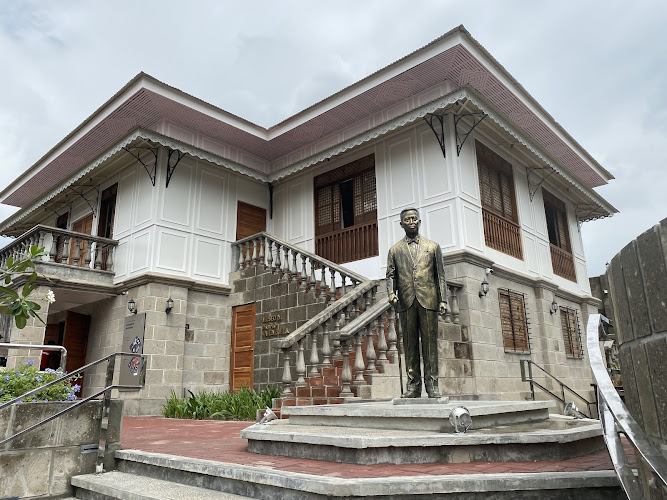
Museo ni Dr. Pio Valenzuela
Valenzuela Memorial Park (Office)
650-19
Find Accommodations Nearby
Recommended Tours & Activities
Visitor Reviews
There are no reviews yet. Be the first one to write one.
Share Your Experience
Have you visited Arkong Bato (Valenzuela/Malabon Boundary)? Help other travelers by leaving a review.