San Diego de Alcala Parish (Diocese of Malolos)
About San Diego de Alcala Parish (Diocese of Malolos)
Description
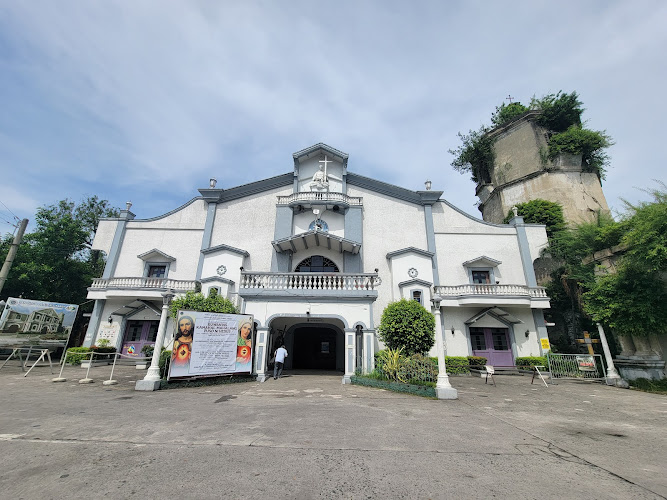
San Diego de Alcala Parish, more fondly called Polo Church by locals, is one of those places that quietly pulls you in. It’s not flashy, not overly grand, but there’s this undeniable charm that lingers long after you’ve stepped out of its old stone walls. Located in the historic district of Polo in Valenzuela City, this Roman Catholic church stands as a living witness to centuries of devotion, struggle, and renewal. Built in 1632 by Spanish friars Father Juan Taranco and Father Jose Valencia, it’s considered the oldest church in Valenzuela — a true cornerstone of faith for the community and a piece of Philippine heritage that still breathes history.
Walking through its grounds feels like flipping through the pages of a centuries-old storybook. The church has seen wars, earthquakes, and countless celebrations of life — from baptisms and weddings to solemn processions during Holy Week. It was partially destroyed during World War II, yet the people of Valenzuela rebuilt it with the same faith that had sustained their ancestors for generations. The result is a blend of the old and new: a structure that proudly carries its scars while continuing to serve as a spiritual home for thousands.
What I personally love about this church is how it feels both sacred and familiar. You can sense the weight of time here — the faint scent of candle wax, the echo of prayers whispered over the years, the quiet rustle of people lighting candles for loved ones. It’s not just a tourist site; it’s a living, breathing part of the community. And if you’re the kind of traveler who loves places with soul and authenticity, Polo Church might just surprise you.
Key Features
- Historical Architecture: The church’s façade and bell tower reflect 17th-century Spanish colonial design, with thick adobe walls and simple yet elegant ornamentation that has stood the test of time.
- Rich Heritage: Recognized as the oldest church in Valenzuela City, it has been central to the city’s religious and cultural identity for nearly four centuries.
- Community Spirit: Beyond its religious role, the parish is a hub for local gatherings, charity works, and traditional Filipino festivities.
- Accessibility: The church offers a wheelchair-accessible entrance and parking, making it friendly for all visitors.
- Peaceful Atmosphere: Despite being in a busy city, the church grounds remain calm and contemplative — perfect for quiet reflection or a short escape from the urban rush.
- Restroom Facilities: Clean and well-maintained restrooms are available for visitors’ convenience.
- Photographic Appeal: The mix of old stone, rustic charm, and soft natural light makes it a favorite spot for photographers and couples having pre-wedding shoots.
There’s something about churches like this one that makes you pause. Maybe it’s the way the sunlight hits the altar at noon, or how the bells ring just before Sunday Mass, echoing across the old town streets. You don’t need to be religious to appreciate that kind of beauty — it’s universal, timeless.
Best Time to Visit
If you’re planning to visit, mornings are the best. The light is gentle, the air still cool, and you can take your time exploring without the crowd. Sundays, of course, are busier because of Mass, but if you want to experience the church in its full local rhythm — the singing, the families, the sense of shared devotion — then that’s the perfect day to go.
For something truly special, visit in November when the parish celebrates the feast of its patron, San Diego de Alcala. The festivities are full of color, food, and community spirit — very Filipino in every sense. You’ll see processions, street decorations, and the kind of warm hospitality that makes you feel instantly part of the celebration. Just make sure to bring patience (and maybe a fan), because it can get quite lively and warm during those days.
How to Get There
Getting to San Diego de Alcala Parish is relatively easy. If you’re coming from Manila, you can take a jeepney or bus heading toward Valenzuela or Malinta and get off near the old town center of Polo. From there, it’s a short walk to the church. For those driving, there’s parking available nearby, though it can get full during weekends and feast days.
Public transportation is widely available, and if you’re using a ride-hailing app, just type in “San Diego de Alcala Parish” — it’s a well-known landmark, so drivers usually know exactly where to go. The roads leading to the church can be narrow, especially near the market area, so a little patience goes a long way. And honestly, part of the experience is just seeing the neighborhood — the small shops, the old houses, and the friendly faces that make Valenzuela feel like a real community rather than just another city stop.
Tips for Visiting
Here’s where a bit of practical advice comes in handy. First, dress modestly. It’s still a functioning parish, and locals appreciate visitors who show respect for the sacred space. Shoulders covered, no super short shorts — you know the drill.
If you’re visiting during a weekday, you’ll find the church quieter, perfect for photography or quiet reflection. On weekends, especially Sundays, expect more activity — but also more energy. I once visited during a Sunday morning Mass, and the choir’s voices filled the entire church with this warm, resonant sound that gave me goosebumps. Even if you’re not Catholic, it’s a moving experience.
Bring a small bottle of water, especially if you’re walking around the area. The nearby streets have small eateries and vendors selling local snacks — try the kakanin (rice cakes) if you can find them. They’re often homemade and delicious. And don’t rush your visit. Take a moment to sit in one of the pews, look up at the ceiling, notice the details — the carvings, the worn wood, the flickering candles. Every small thing tells a story.
For accessibility, the church has ramps and designated parking for persons with disabilities, which is great to see in a heritage site. Families with elderly members or those using wheelchairs will find it manageable to move around. Just be mindful that older parts of the structure might have uneven floors — another reminder of its age and authenticity.
Lastly, if you’re into photography, go for early morning or late afternoon shots. The lighting is gorgeous then, casting soft shadows that bring out the texture of the old stones. Some locals might even strike up a conversation or share a bit of history — they’re proud of their church, and rightfully so. It’s not every day you find a place that’s both a historical landmark and a living, breathing part of everyday life.
And maybe that’s what makes San Diego de Alcala Parish stand out. It’s not trying to impress you with grandeur or luxury. It’s just quietly there — steady, enduring, beautiful in its simplicity. A place where faith, history, and community meet in the most natural way. Whether you come for prayer, curiosity, or just to take a break from the noise of the city, you’ll likely leave with a sense of peace and a deeper appreciation for the stories that old walls can tell.
Key Features
- Key Features
- Best Time to Visit
- How to Get There
- Tips for Visiting
More Details
Updated November 7, 2025
Table of Contents
- Description
- Key Features
- Best Time to Visit
- How to Get There
- Tips for Visiting
- Key Highlights
- Location
- Places to Stay Near San Diego de Alcala Parish (Diocese of Malolos)
- Find and Book a Tour
- Explore More Travel Guides
- Nearby Places You Might Like
- Traveler Reviews for San Diego de Alcala Parish (Diocese of Malolos)
- Share Your Experience
Description
San Diego de Alcala Parish, more fondly called Polo Church by locals, is one of those places that quietly pulls you in. It’s not flashy, not overly grand, but there’s this undeniable charm that lingers long after you’ve stepped out of its old stone walls. Located in the historic district of Polo in Valenzuela City, this Roman Catholic church stands as a living witness to centuries of devotion, struggle, and renewal. Built in 1632 by Spanish friars Father Juan Taranco and Father Jose Valencia, it’s considered the oldest church in Valenzuela — a true cornerstone of faith for the community and a piece of Philippine heritage that still breathes history.
Walking through its grounds feels like flipping through the pages of a centuries-old storybook. The church has seen wars, earthquakes, and countless celebrations of life — from baptisms and weddings to solemn processions during Holy Week. It was partially destroyed during World War II, yet the people of Valenzuela rebuilt it with the same faith that had sustained their ancestors for generations. The result is a blend of the old and new: a structure that proudly carries its scars while continuing to serve as a spiritual home for thousands.
What I personally love about this church is how it feels both sacred and familiar. You can sense the weight of time here — the faint scent of candle wax, the echo of prayers whispered over the years, the quiet rustle of people lighting candles for loved ones. It’s not just a tourist site; it’s a living, breathing part of the community. And if you’re the kind of traveler who loves places with soul and authenticity, Polo Church might just surprise you.
Key Features
- Historical Architecture: The church’s façade and bell tower reflect 17th-century Spanish colonial design, with thick adobe walls and simple yet elegant ornamentation that has stood the test of time.
- Rich Heritage: Recognized as the oldest church in Valenzuela City, it has been central to the city’s religious and cultural identity for nearly four centuries.
- Community Spirit: Beyond its religious role, the parish is a hub for local gatherings, charity works, and traditional Filipino festivities.
- Accessibility: The church offers a wheelchair-accessible entrance and parking, making it friendly for all visitors.
- Peaceful Atmosphere: Despite being in a busy city, the church grounds remain calm and contemplative — perfect for quiet reflection or a short escape from the urban rush.
- Restroom Facilities: Clean and well-maintained restrooms are available for visitors’ convenience.
- Photographic Appeal: The mix of old stone, rustic charm, and soft natural light makes it a favorite spot for photographers and couples having pre-wedding shoots.
There’s something about churches like this one that makes you pause. Maybe it’s the way the sunlight hits the altar at noon, or how the bells ring just before Sunday Mass, echoing across the old town streets. You don’t need to be religious to appreciate that kind of beauty — it’s universal, timeless.
Best Time to Visit
If you’re planning to visit, mornings are the best. The light is gentle, the air still cool, and you can take your time exploring without the crowd. Sundays, of course, are busier because of Mass, but if you want to experience the church in its full local rhythm — the singing, the families, the sense of shared devotion — then that’s the perfect day to go.
For something truly special, visit in November when the parish celebrates the feast of its patron, San Diego de Alcala. The festivities are full of color, food, and community spirit — very Filipino in every sense. You’ll see processions, street decorations, and the kind of warm hospitality that makes you feel instantly part of the celebration. Just make sure to bring patience (and maybe a fan), because it can get quite lively and warm during those days.
How to Get There
Getting to San Diego de Alcala Parish is relatively easy. If you’re coming from Manila, you can take a jeepney or bus heading toward Valenzuela or Malinta and get off near the old town center of Polo. From there, it’s a short walk to the church. For those driving, there’s parking available nearby, though it can get full during weekends and feast days.
Public transportation is widely available, and if you’re using a ride-hailing app, just type in “San Diego de Alcala Parish” — it’s a well-known landmark, so drivers usually know exactly where to go. The roads leading to the church can be narrow, especially near the market area, so a little patience goes a long way. And honestly, part of the experience is just seeing the neighborhood — the small shops, the old houses, and the friendly faces that make Valenzuela feel like a real community rather than just another city stop.
Tips for Visiting
Here’s where a bit of practical advice comes in handy. First, dress modestly. It’s still a functioning parish, and locals appreciate visitors who show respect for the sacred space. Shoulders covered, no super short shorts — you know the drill.
If you’re visiting during a weekday, you’ll find the church quieter, perfect for photography or quiet reflection. On weekends, especially Sundays, expect more activity — but also more energy. I once visited during a Sunday morning Mass, and the choir’s voices filled the entire church with this warm, resonant sound that gave me goosebumps. Even if you’re not Catholic, it’s a moving experience.
Bring a small bottle of water, especially if you’re walking around the area. The nearby streets have small eateries and vendors selling local snacks — try the kakanin (rice cakes) if you can find them. They’re often homemade and delicious. And don’t rush your visit. Take a moment to sit in one of the pews, look up at the ceiling, notice the details — the carvings, the worn wood, the flickering candles. Every small thing tells a story.
For accessibility, the church has ramps and designated parking for persons with disabilities, which is great to see in a heritage site. Families with elderly members or those using wheelchairs will find it manageable to move around. Just be mindful that older parts of the structure might have uneven floors — another reminder of its age and authenticity.
Lastly, if you’re into photography, go for early morning or late afternoon shots. The lighting is gorgeous then, casting soft shadows that bring out the texture of the old stones. Some locals might even strike up a conversation or share a bit of history — they’re proud of their church, and rightfully so. It’s not every day you find a place that’s both a historical landmark and a living, breathing part of everyday life.
And maybe that’s what makes San Diego de Alcala Parish stand out. It’s not trying to impress you with grandeur or luxury. It’s just quietly there — steady, enduring, beautiful in its simplicity. A place where faith, history, and community meet in the most natural way. Whether you come for prayer, curiosity, or just to take a break from the noise of the city, you’ll likely leave with a sense of peace and a deeper appreciation for the stories that old walls can tell.

Key Highlights
- Key Features
- Best Time to Visit
- How to Get There
- Tips for Visiting
Location
Places to Stay Near San Diego de Alcala Parish (Diocese of Malolos)
Find and Book a Tour
Explore More Travel Guides
No reviews found! Be the first to review!
Traveler Reviews for San Diego de Alcala Parish (Diocese of Malolos)
There are no reviews yet. Be the first one to write one.
Have you visited San Diego de Alcala Parish (Diocese of Malolos)? Help other travelers by sharing your review.
Find Accommodations Nearby
Recommended Tours & Activities
Visitor Reviews
There are no reviews yet. Be the first one to write one.
Share Your Experience
Have you visited San Diego de Alcala Parish (Diocese of Malolos)? Help other travelers by leaving a review.