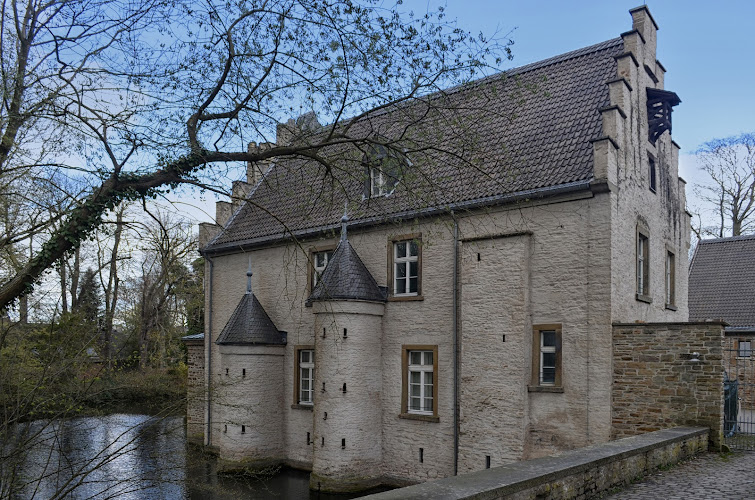
Visitors discover archaeological finds that tell the long human tale of the region, while cabinets display the region’s oldest fossils—remnants of life long before towns and roads. The museum manages a delicate balancing act: preserving medieval architecture and presenting science and history in ways that are accessible, even playful for younger minds.
Because the building is itself historic, people often arrive first for the castle atmosphere and stay for the exhibits. Rooms with low wooden beams, stone staircases and, yes, the occasional creak underfoot, are repurposed into galleries where prehistoric bones and Iron Age artifacts sit alongside informational panels. Live performances take place seasonally, adding a theatrical heartbeat to the museum program. In other words, it is part museum, part event venue and part cultural meeting place.
The museum does more than show objects behind glass. There are interactive elements geared toward families, and staff are used to welcoming school groups and curious adults. Practical amenities include a restaurant and a cafe where visitors can recover a little after touring the exhibits. Accessibility is surprisingly well thought-out for a castle: there is a wheelchair accessible entrance, parking and restroom facilities. That feature alone changes the visit for many people; it makes a historic place feel welcoming rather than forbidding.
People who like a good story will appreciate the little surprises here. Some exhibits focus on everyday life in ancient times—tools, jewelry, pottery—that help visitors imagine how ordinary people lived. Others highlight geological time: fossils that are the oldest known in the area help create a sense of scale, that slow-motion clock of the earth beneath the familiar landscape of Werdringen and Hagen. And that live performance program? It can turn a quiet museum afternoon into something lively and memorable.
Key Features
- Restroom facilities conveniently located within the complex
Best Time to Visit
The best time to visit depends on what the visitor expects. For quieter gallery time and clearer views of exhibits, weekdays in the shoulder seasons—late spring and early autumn—are excellent. The weather is mild, the light in the castle rooms is pleasant, and crowds are thinner. For those who enjoy events, festival-style atmospheres or live performances, weekends and the summer event calendar are the time to aim for. Expect more families and local visitors, but also a livelier vibe.
Winter visits have their own charm: the castle feels intimate when the days are short and the museum quieter. Do note that special programming tends to cluster in warmer months, so if live theater or outdoor activities matter, plan around the cultural calendar. Mornings are generally less crowded than afternoons, and arriving early gives people enough time to enjoy the fossils, take a slow look through the archaeological displays, and still have time to sit in the cafe without feeling rushed.
How to Get There
The Archäologiemuseum Hagen – Wasserschloss Werdringen is accessible by a mix of car, local public transport and taxi. Many visitors travel to Hagen by regional train and then transfer to local bus lines or a short taxi ride to reach Werdringen. Driving is straightforward for those who prefer it; parking is available and includes wheelchair accessible spaces close to the accessible entrance, which is a thoughtful detail often appreciated after a long day of sightseeing.
Cyclists will find routes in the area are generally pleasant, and riding to the castle can be a scenic supplement to the museum experience. Public transport schedules in Germany are reliable but can vary on weekends and holidays, so it is wise to check timetables before setting out. Once there, the castle is easy to navigate on foot, though visitors with mobility needs should note the accessible entry and restroom but may still encounter historic surfaces and steps in some parts of the complex.
Tips for Visiting
Plan at least 90 minutes to two hours for a proper visit. That gives enough time to explore the fossil exhibits, take in the archaeological displays and enjoy a coffee without rushing. Families with children might budget longer, especially if the kids find the interactive areas compelling. School groups and guided tours can extend the visit, so if a guided tour is desired, booking ahead is recommended.
Because the museum sits in a historic castle, expect some atmospheric quirks: uneven flooring, low beams in places, and narrow doorways in the original structure. These add to the charm but are worth noting if anyone in the party has mobility concerns. The accessible entrance and restroom are real pluses, but a quick call to the museum before arrival to confirm specific access needs is sensible—that way nothing takes one by surprise.
When it comes to what to bring, comfortable shoes are a wise choice. The lighting in some exhibit rooms is intentionally low to protect delicate artifacts, so eyesight-friendly visitors might prefer a good pair of reading glasses. Photography policies can vary; most museums allow non-flash photography in galleries, but it is always polite to check signs or ask staff. And bring curiosity. The fossil displays reward a patient look. That small ammonite or the bone fragment tucked into a corner can suddenly make the prehistoric world feel personal.
For food and breaks, the on-site restaurant and cafe are convenient. They are not just a place to eat; they are where conversations about what was just seen happen, where children sketch finds into notebooks, and where people plan the next stop. If the museum is hosting a live performance or event, arrive a little early to secure seating and to enjoy the pre-show atmosphere.
If visitors want a quieter experience, weekdays and mornings are key. Those seeking a social or cultural experience should check the event calendar, because performances and special exhibits change the feel of the place in delightful ways. Special events also tend to attract local residents, which, by the way, is a good sign: it means the museum is not just a tourist stop but a living part of the community.
One last practical note: safety and preservation. The staff are protective of fragile fossils and delicate archaeological finds, rightly so. Encourage children to look closely but not to touch, unless the exhibit explicitly invites hands-on interaction. That small act of restraint helps preserve the collection for other visitors and for future generations.
All in all, the Archäologiemuseum Hagen – Wasserschloss Werdringen is worth a spot on the itinerary of anyone curious about how human life and natural history intersect in this corner of Germany. It is immediately approachable for families, surprisingly accessible for those with mobility needs, and quietly rich in stories and objects that reveal the deep past of Werdringen and the greater Hagen area. It rewards patience, a sense of curiosity, and a willingness to look beyond the first room. And honestly, anytime spent wandering through a castle with fossils on display is time well spent.
 Real Journey Travels