
Anuvavi Subramanian Temple அனுவாவி சுப்ரமணியர் ஆலயம்
About Anuvavi Subramanian Temple அனுவாவி சுப்ரமணியர் ஆலயம்
Description
This destination has a way of pulling people in with its unique blend of natural beauty, cultural significance, and a sort of raw authenticity that you don’t always find in more polished tourist spots. It’s not perfect—few places worth traveling to ever are—but that’s part of its charm. Some visitors rave about the atmosphere and the sense of discovery, while others walk away with a few gripes about crowds or upkeep. Both perspectives are fair, and honestly, it depends on what kind of traveler you are. If you’re the type who craves spotless facilities and zero surprises, you might find a few rough edges here. But if you’re open to a bit of unpredictability and you enjoy places that feel alive and real, then this location will likely stay with you long after you leave.
What makes it stand out is the balance between its historical depth and its everyday energy. You might wander through areas that feel frozen in time, then turn a corner and stumble upon something buzzing with local life. It’s the kind of place that rewards curiosity—where the more you poke around, the more layers you uncover. And while it has its flaws, those imperfections actually add to the story. After all, travel isn’t just about glossy photo ops; it’s about experiences that feel genuine, even if they’re a bit messy.
Key Features
- A rich sense of history and culture that’s visible in the architecture, traditions, and everyday interactions.
- Scenic views that can shift dramatically depending on the time of day and the season.
- Plenty of opportunities to explore both well-known highlights and tucked-away corners that many visitors overlook.
- A mix of guided experiences and self-guided wandering, so you can choose your own pace.
- Local food and drink options that reflect the region’s character—some simple, some surprisingly refined.
- Accessibility for most travelers, though a few areas may require a bit of extra effort or stamina.
Best Time to Visit
Timing your trip can make a huge difference here. The shoulder seasons—spring and autumn—often strike the best balance. The weather tends to be pleasant without being too extreme, and the crowds are thinner compared to the peak summer months. Personally, I find that visiting just before or after the busiest times allows you to soak in the atmosphere without feeling rushed or overwhelmed.
Summer has its perks too, especially if you thrive on energy and don’t mind sharing the space with lots of fellow travelers. There’s usually more going on in terms of events and activities, but you’ll need to be patient with lines and higher prices. Winter, on the other hand, can be a bit quieter and more introspective—perfect if you like to explore without distractions, though some amenities may be limited.
How to Get There
Reaching this spot is relatively straightforward, though the experience can vary depending on your starting point. Most travelers arrive via a major nearby city, then connect by road, rail, or even a short domestic flight. If you’re comfortable with public transportation, the train or bus routes can be a surprisingly efficient and affordable way to get in. Driving gives you more flexibility, especially if you like to stop along the way and explore smaller towns or scenic detours.
I’ve done both—once with a rental car and once relying on buses—and honestly, each had its pros and cons. With a car, I loved the freedom of pulling over whenever something caught my eye. But on the bus, I could just relax, stare out the window, and let someone else deal with the traffic. If you’re arriving from abroad, just keep in mind that the final leg of the journey might take longer than you expect, so plan accordingly.
Tips for Visiting
A few practical bits of advice can make your visit smoother and more enjoyable. First off, wear comfortable shoes. This isn’t the kind of place where you’ll want to be worrying about sore feet halfway through the day. Also, bring a refillable water bottle—hydration matters more than you think, especially if you’re walking a lot.
Another thing: don’t be afraid to wander off the main path. Some of the best moments I’ve had here came from straying just a little beyond the obvious spots. That said, be respectful of local customs and private areas—it’s a balance of curiosity and courtesy.
Budget-wise, keep a little extra cash handy. While many places accept cards, smaller vendors or family-run spots may prefer cash, and sometimes those are the places with the most memorable food or souvenirs. If you’re into photography, try visiting early in the morning or late in the afternoon when the light is softer. And above all, give yourself enough time. Rushing through would miss the point—this is a place that reveals itself slowly, and the more you linger, the more it gives back.
Key Features
- A rich sense of history and culture that’s visible in the architecture, traditions, and everyday interactions.
- Scenic views that can shift dramatically depending on the time of day and the season.
- Plenty of opportunities to explore both well-known highlights and tucked-away corners that many visitors overlook.
- A mix of guided experiences and self-guided wandering, so you can choose your own pace.
- Local food and drink options that reflect the region’s character—some simple, some surprisingly refined.
- Accessibility for most travelers, though a few areas may require a bit of extra effort or stamina.
More Details
Updated October 1, 2025
Table of Contents
- Description
- Key Features
- Best Time to Visit
- How to Get There
- Tips for Visiting
- Key Highlights
- Location
- Places to Stay Near Anuvavi Subramanian Temple அனுவாவி சுப்ரமணியர் ஆலயம்"Make trip with family its good one to see... Natural things are very ..."
- Find and Book a Tour
- Explore More Travel Guides
- Nearby Places You Might Like
- Traveler Reviews for Anuvavi Subramanian Temple அனுவாவி சுப்ரமணியர் ஆலயம்
- Share Your Experience
Description
This destination has a way of pulling people in with its unique blend of natural beauty, cultural significance, and a sort of raw authenticity that you don’t always find in more polished tourist spots. It’s not perfect—few places worth traveling to ever are—but that’s part of its charm. Some visitors rave about the atmosphere and the sense of discovery, while others walk away with a few gripes about crowds or upkeep. Both perspectives are fair, and honestly, it depends on what kind of traveler you are. If you’re the type who craves spotless facilities and zero surprises, you might find a few rough edges here. But if you’re open to a bit of unpredictability and you enjoy places that feel alive and real, then this location will likely stay with you long after you leave.
What makes it stand out is the balance between its historical depth and its everyday energy. You might wander through areas that feel frozen in time, then turn a corner and stumble upon something buzzing with local life. It’s the kind of place that rewards curiosity—where the more you poke around, the more layers you uncover. And while it has its flaws, those imperfections actually add to the story. After all, travel isn’t just about glossy photo ops; it’s about experiences that feel genuine, even if they’re a bit messy.
Key Features
- A rich sense of history and culture that’s visible in the architecture, traditions, and everyday interactions.
- Scenic views that can shift dramatically depending on the time of day and the season.
- Plenty of opportunities to explore both well-known highlights and tucked-away corners that many visitors overlook.
- A mix of guided experiences and self-guided wandering, so you can choose your own pace.
- Local food and drink options that reflect the region’s character—some simple, some surprisingly refined.
- Accessibility for most travelers, though a few areas may require a bit of extra effort or stamina.
Best Time to Visit
Timing your trip can make a huge difference here. The shoulder seasons—spring and autumn—often strike the best balance. The weather tends to be pleasant without being too extreme, and the crowds are thinner compared to the peak summer months. Personally, I find that visiting just before or after the busiest times allows you to soak in the atmosphere without feeling rushed or overwhelmed.
Summer has its perks too, especially if you thrive on energy and don’t mind sharing the space with lots of fellow travelers. There’s usually more going on in terms of events and activities, but you’ll need to be patient with lines and higher prices. Winter, on the other hand, can be a bit quieter and more introspective—perfect if you like to explore without distractions, though some amenities may be limited.
How to Get There
Reaching this spot is relatively straightforward, though the experience can vary depending on your starting point. Most travelers arrive via a major nearby city, then connect by road, rail, or even a short domestic flight. If you’re comfortable with public transportation, the train or bus routes can be a surprisingly efficient and affordable way to get in. Driving gives you more flexibility, especially if you like to stop along the way and explore smaller towns or scenic detours.
I’ve done both—once with a rental car and once relying on buses—and honestly, each had its pros and cons. With a car, I loved the freedom of pulling over whenever something caught my eye. But on the bus, I could just relax, stare out the window, and let someone else deal with the traffic. If you’re arriving from abroad, just keep in mind that the final leg of the journey might take longer than you expect, so plan accordingly.
Tips for Visiting
A few practical bits of advice can make your visit smoother and more enjoyable. First off, wear comfortable shoes. This isn’t the kind of place where you’ll want to be worrying about sore feet halfway through the day. Also, bring a refillable water bottle—hydration matters more than you think, especially if you’re walking a lot.
Another thing: don’t be afraid to wander off the main path. Some of the best moments I’ve had here came from straying just a little beyond the obvious spots. That said, be respectful of local customs and private areas—it’s a balance of curiosity and courtesy.
Budget-wise, keep a little extra cash handy. While many places accept cards, smaller vendors or family-run spots may prefer cash, and sometimes those are the places with the most memorable food or souvenirs. If you’re into photography, try visiting early in the morning or late in the afternoon when the light is softer. And above all, give yourself enough time. Rushing through would miss the point—this is a place that reveals itself slowly, and the more you linger, the more it gives back.
Key Highlights
- A rich sense of history and culture that’s visible in the architecture, traditions, and everyday interactions.
- Scenic views that can shift dramatically depending on the time of day and the season.
- Plenty of opportunities to explore both well-known highlights and tucked-away corners that many visitors overlook.
- A mix of guided experiences and self-guided wandering, so you can choose your own pace.
- Local food and drink options that reflect the region’s character—some simple, some surprisingly refined.
- Accessibility for most travelers, though a few areas may require a bit of extra effort or stamina.
Location
Places to Stay Near Anuvavi Subramanian Temple அனுவாவி சுப்ரமணியர் ஆலயம்"Make trip with family its good one to see... Natural things are very ..."
Find and Book a Tour
Explore More Travel Guides
No reviews found! Be the first to review!
Traveler Reviews for Anuvavi Subramanian Temple அனுவாவி சுப்ரமணியர் ஆலயம்
There are no reviews yet. Be the first one to write one.
Have you visited Anuvavi Subramanian Temple அனுவாவி சுப்ரமணியர் ஆலயம்? Help other travelers by sharing your review.
You Might Also Like
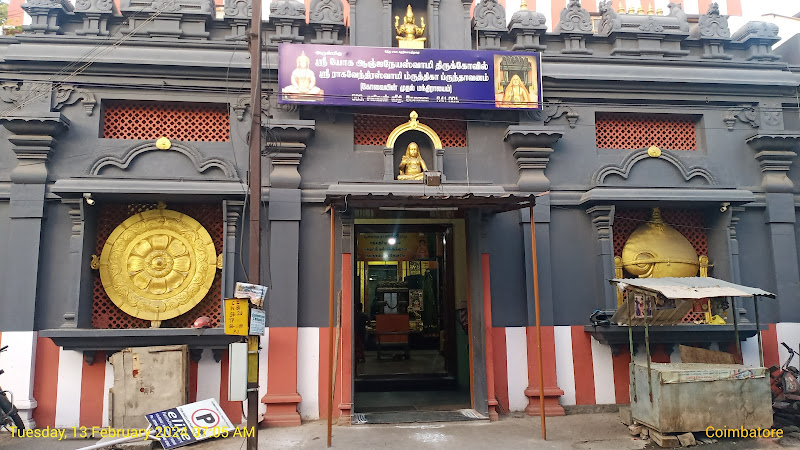
Sri Raghavendra Swamy Temple

Ukkadam Periyakulam Park
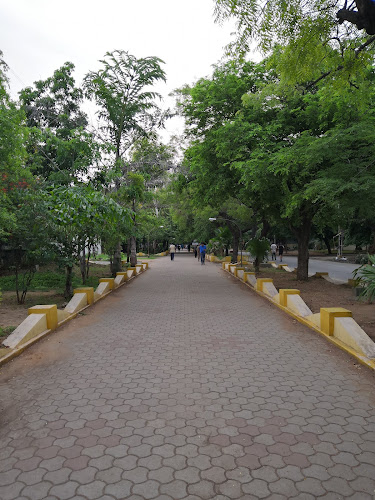
Race Course Park, Coimbatore
Find Accommodations Nearby
Recommended Tours & Activities
Visitor Reviews
There are no reviews yet. Be the first one to write one.
Share Your Experience
Have you visited Anuvavi Subramanian Temple அனுவாவி சுப்ரமணியர் ஆலயம்? Help other travelers by leaving a review.