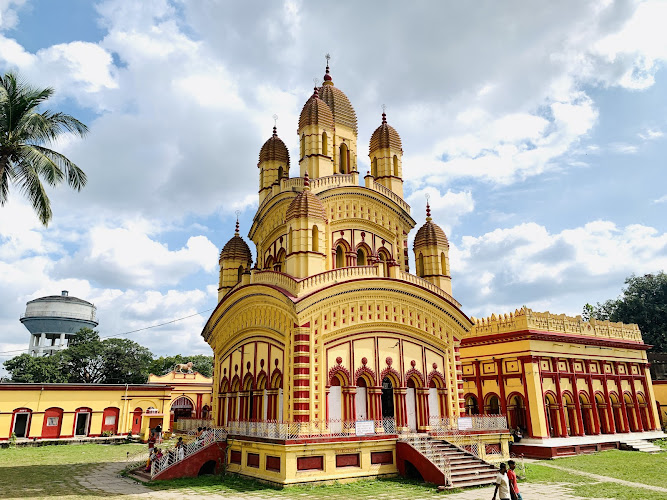
The Annapurna Temple is one of those places that quietly leaves a mark on you. It doesn’t shout for attention, and maybe that’s why travelers often remember it long after they’ve left the riverbanks behind. Located within the larger Dakshineswar temple complex near the Ganges, this Hindu temple honors Goddess Annapurna, the deity of nourishment and abundance. And yes, that theme of nourishment shows up everywhere, not just in rituals, but in how the space makes you feel. Fed, in a way that’s hard to explain.
Architecturally, the temple is ornate without being overwhelming. Eight domed shrines rise gently around a courtyard, and nine pinnacles stretch upward like they’re trying to eavesdrop on the sky. The design follows traditional Bengali temple architecture, but with a refinement that suggests care, patience, and a lot of skilled hands over the years. And if you’re the kind of traveler who likes details, you’ll find plenty. Carvings, arches, subtle symmetry that isn’t perfect, but feels right.
The Annapurna Temple often lives in the shadow of its more famous neighbor, the Kali Temple. But that’s part of the charm. It’s usually calmer here, with fewer crowds pressing in. And honestly, I prefer it that way. I remember standing in the courtyard one late afternoon, the air thick with incense and river breeze, watching a priest carefully arrange offerings. No rush. No performance. Just routine devotion. It felt real.
The temple sits close to the Ganges, and you feel that presence constantly. Boats drift by, bells echo faintly, and sometimes the chants blend with the sound of water. For travelers interested in Hindu spirituality, this place offers a grounded experience. Not theatrical, not commercial. Just lived-in faith. But even if religion isn’t your main reason for visiting, the Annapurna Temple still works as a cultural and historical attraction. It tells stories without trying too hard.
Facilities are decent, too. There are restrooms on-site, and the temple complex has made an effort to be accessible, including wheelchair-friendly entrances and parking. That might not sound poetic, but it matters when you’re planning a real-world visit. And yes, it makes the place more welcoming to everyone, which aligns nicely with the goddess it honors.
Key Features
- Daily rituals and offerings that visitors can respectfully observe
Best Time to Visit
Timing your visit to the Annapurna Temple can make a big difference. Early mornings are my personal favorite. The light is softer, the crowds thinner, and the priests are deep into their routines. You feel less like a tourist and more like a guest. If you arrive around sunrise, the river mist sometimes lingers, and the whole complex feels suspended between night and day. It’s a good moment, trust me.
Winter months, roughly October to February, are generally the most comfortable weather-wise. Cooler air, less humidity, and you can actually enjoy walking around without constantly looking for shade. This is also when many travelers are already in the region, so the temple feels lively but manageable. During major Hindu festivals, especially those connected to food or harvest, the Annapurna Temple sees more activity. And yes, it gets crowded. But it’s a meaningful kind of crowd, full of families and devotees, not just cameras.
Summer can be tough. The heat, the humidity, the occasional chaos. But if that’s when you’re traveling, go early or late in the afternoon. Monsoon season brings rain, obviously, but it also washes the place clean. The stone looks darker, the plants greener, and the river more dramatic. Just be ready for slippery paths and a bit of mess. It’s India, after all. Perfection is overrated.
How to Get There
Getting to the Annapurna Temple is fairly straightforward, especially if you’re already exploring Kolkata or nearby areas. The Dakshineswar area is well connected by road and public transport. Local taxis and app-based rides are the easiest option if you want convenience. They’ll drop you close to the temple complex, and from there it’s a short walk.
If you’re using public transport, suburban trains are a popular choice. They’re affordable and efficient, though sometimes crowded. From the nearest station, you can either walk or take a rickshaw. And yes, rickshaw rides are still a thing here, and they’re oddly charming. I took one once just for nostalgia, and the driver spent the whole ride telling me stories about the river. Worth it.
Buses also run frequently, though they require a bit more patience and local know-how. If you enjoy observing daily life, this can actually be a fun way to arrive. You see neighborhoods change, people hopping on and off, vendors shouting. It sets the mood before you even reach the temple.
Tips for Visiting
First things first, dress modestly. You don’t need to overthink it, but shoulders and knees covered is a safe bet. Shoes are not allowed inside the temple, so wear something easy to slip on and off. And keep an eye on your footwear. There are designated areas, but things can get mixed up during busy hours.
Photography rules can change depending on the day or event, so always ask before clicking away. Some areas are fine, others not so much. And honestly, sometimes it’s better to put the camera down. I’ve noticed that the more I try to capture everything, the less I actually experience it. Just stand there for a minute. Let it sink in.
If you’re visiting with elderly family members or someone with mobility issues, the accessible features are genuinely helpful. Paths are relatively flat, and staff are usually willing to assist if you ask politely. Don’t hesitate. A little patience and a smile go a long way here.
Be prepared for mixed experiences. Most visitors leave deeply satisfied, but a few things might test your patience. Crowds during peak times, occasional noise, or unclear instructions. It happens. My advice? Go with the flow. Temples like Annapurna aren’t meant to be rushed or controlled. They work best when you slow down.
Lastly, take a moment to understand why this place matters. Goddess Annapurna represents food and sustenance, something we often take for granted. Watching people offer rice, fruits, and simple meals with genuine gratitude can be humbling. It reminds you that travel isn’t just about ticking attractions off a list. Sometimes, it’s about being reminded of basic human truths. And that’s what the Annapurna Temple quietly does, if you let it.
 Real Journey Travels