
Ipogeo dei Volumni e Necropoli del Palazzone
About Ipogeo dei Volumni e Necropoli del Palazzone
Necropoli del Palazzone e Ipogeo dei Volumni – Perugia it – | www.umbriatourism.it
Ipogeo dei Volumni e Necropoli del Palazzone (Perugia): what it is, why it matters, and how to plan your visit
If you like archaeology that feels physically close—stone you can walk down into, inscriptions you can stand in front of, iconography that still reads as protective and intimidating—the Ipogeo dei Volumni is one of Umbria’s strongest “small site, big impact” stops. It sits within the wider Necropoli del Palazzone, an Etruscan-era burial landscape with hundreds of tombs carved into the natural ground. Tourism
There’s one crucial planning note up front:
### Current status (important)
The Ipogeo dei Volumni and the Palazzone Necropolis have been closed to the public since 9 June 2025 (except for exceptional activities) for redevelopment works, including improvements to hospitality and accessibility. The official reopening is scheduled for April 2026.
So consider this guide both an orientation to the site and a blueprint for how to slot it into a Perugia/Umbria itinerary once it reopens.
—
Quick facts you can plan around
– Name: Ipogeo dei Volumni e Necropoli del Palazzone
– Address: Via Assisana, 53, Perugia (Ponte San Giovanni area) Tourism
– What it is: A major Etruscan hypogeum (underground family tomb) within a larger necropolis of chamber tombs Tourism
– Necropolis scale: About 200 chamber-like tombs are associated with the Palazzone necropolis Tourism
– Site closure: Closed from 9 June 2025, reopening planned April 2026
—
Why this site is different from “another tomb”
### 1) It’s designed like a house, on purpose
The official site description emphasizes that the hypogeum is accessed by a steep staircase and that its interior deliberately recreates the layout of a Roman domus. You’re not just “in a burial chamber”—you’re in an architectural metaphor for elite domestic identity and status, translated into funerary space.
Umbria’s tourism board describes the tomb as a significant example of Hellenistic Age funerary architecture, mirroring canonical domestic rooms; it even names the central space as the tablinum. Tourism
### 2) You can read the family identity in the inscriptions
The family name is not guesswork: the Italian/Latin “Volumni” is tied to the Etruscan Velimna family via inscriptions on the cinerary urns and an inscription on the door jamb referencing the Velimna brothers as founders of the tomb.
That’s a big deal in practice: it means you’re looking at a site where text, architecture, and objects reinforce a coherent story—useful if you want a visit that’s more than photos.
### 3) The iconography is not decorative; it’s doing “work”
Inside, the tomb’s spaces include ceilings and decorative programs featuring Medusa (gorgon) heads and scenes associated with the afterlife. The official description notes protomes of gorgons and other figures, and describes an urn scene where winged demons stand guard near a painted “gateway” to the underworld.
Whether or not you’re an iconography nerd, this changes how you look: Medusa isn’t a random motif. In funerary contexts, it’s often used as a protective threshold image—an ancient “do not disturb,” with teeth.
—
What you’ll see on-site (once it reopens)
### The descent and the threshold
Multiple descriptions agree on the physical experience: you reach the hypogeum via a staircase leading several metres underground to the tomb’s entrance.
If you’re even mildly claustrophobic, this is a helpful mental prep: the drama is part of the design.
### The “rooms” and the central space
Umbria Tourism explains the tomb’s internal organization in domestic terms and highlights the central tablinum holding seven cinerary depositions (urn burials). Tourism
The official museum page similarly describes multiple rooms branching off and a central room with a ceiling imitating a two-pitched wooden roof.
### The urns: portraits, names, and materials
Wikipedia’s summary states the principal urn (for Arnth Velimna Aules) is made of travertine and is topped with a reclining figure on a triclinium.
Even if you skip the deeper interpretation, that detail is useful because it cues you to look for portrait-like lids and for the way the deceased are staged as if participating in elite banquet culture.
—
Dating and historical frame (what we can state confidently)
– The necropolis is largely dated to the Hellenistic Age, roughly 3rd–1st century BCE, with an earlier nucleus dated to the late 6th–early 5th century BCE. Tourism
– The official museum page dates the tomb to the second half of the 2nd century BCE.
– The hypogeum was rediscovered in 1840 (Wikipedia gives the date as 5 February 1840).
You may see slightly different “headline” dates depending on whether a source is speaking about the wider necropolis, the specific hypogeum’s construction, or later phases of use—those are not contradictions so much as different layers of the site. Tourism
—
Practical planning tips that actually matter
### Go in with the right expectations: this is a “small footprint, high signal” site
This isn’t Pompeii-scale wandering. The win is concentration: the layout, inscriptions, and funerary program give you a coherent narrative quickly if you slow down.
### Accessibility and mobility considerations
The official description is explicit that access is via a steep staircase.
The institution also frames its redevelopment work as improving accessibility as well as visitor reception.
If your group includes someone with reduced mobility, treat this as a “verify before you commit” site even after reopening—because hypogea are structurally challenging in ways that ramps and elevators can’t always solve cleanly.
### Payment and tickets (flagged as potentially outdated)
Before the closure, the official ticketing info listed €3 full / €2 reduced, with free entry categories aligned with Italy’s Ministry of Culture rules; it also states that cash is not accepted due to automated ticketing (cards/digital payments only).
Because the site is closed and undergoing redevelopment until April 2026, treat prices, hours, and payment methods as likely to change—check the official site near your travel dates.
—
## What to do in the meantime (while it’s closed)
If you’re planning Perugia/Umbria before April 2026, you can still keep your itinerary “Etruscan-forward” by targeting museum collections and nearby archaeology. Umbria Tourism specifically points to the broader Perugia museum ecosystem (including the National Archaeological Museum of Umbria, listed as MANU). Tourism
—
I can’t know your exact URL structure, so here are anchor-text-ready options you can map to your existing pages:
– “Perugia travel guide” (context: where to stay + how to get around + best neighborhoods)
– “Etruscan sites in Umbria” (context: Orvieto/Perugia-area archaeology, museums, and day trips)
—
## Editorial integrity notes (freshness + accuracy)
– Closure and reopening window: The closure from 9 June 2025 with reopening planned April 2026 is from the official regional museums site.
– Anything operational (hours/tickets) should be rechecked close to travel because redevelopment often changes visitor flow, pricing, and access rules.
Key Features
Ipogeo dei Volumni e Necropoli del Palazzone
You Might Also Like
Abbazia di San Pietro
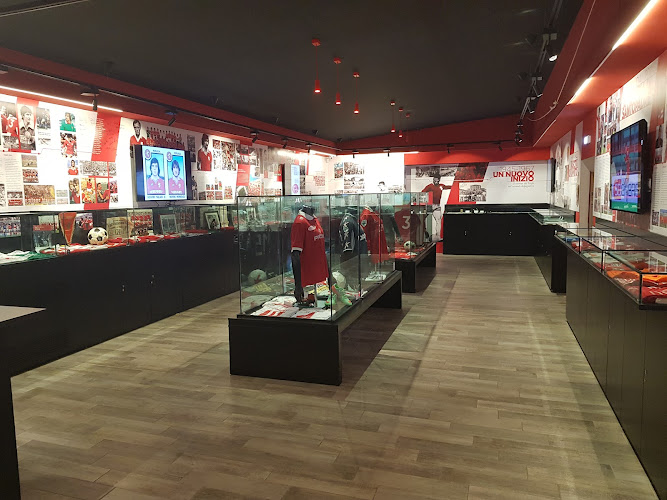
AC Perugia Calcio Museum
Acquedotto medievale di Perugia
Tours & Activities
GetYourGuide provides this tour inventory. We may earn a commission if you book through it; verify current availability, prices, and terms with the provider.
Visitor Reviews
There are no reviews yet. Be the first one to write one.
Share Your Experience
Have you visited Ipogeo dei Volumni e Necropoli del Palazzone? Help other travelers by leaving a review.