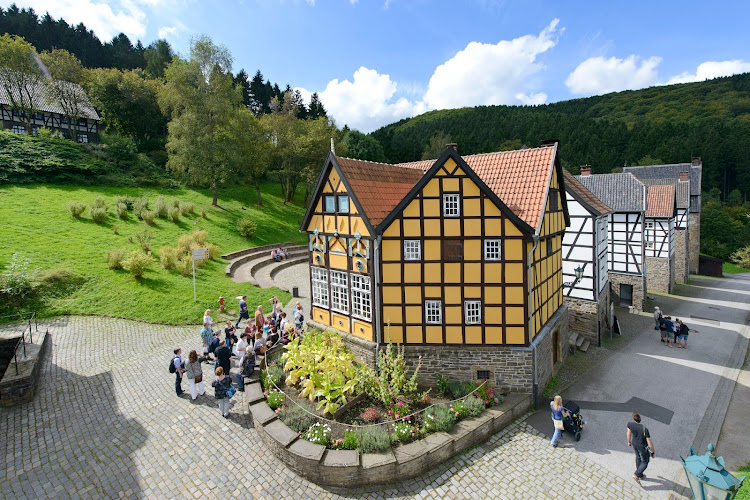
Rather than hanging objects behind glass, the site places tools, ovens, forges and workbenches into their historical context so visitors can hear hammers, smell baking bread and see how ordinary products were made by hand. The focus is on traditional manufacturing techniques — from blacksmithing and carpentry to small-scale food production in the on-site bakery — and on the human stories behind those trades.
The museum is structured as a series of reconstructed workshops, living quarters and production sites, each staffed by interpreters who demonstrate techniques and explain the social and economic reasons those crafts existed. Live performances and demonstrations are a highlight; the clang of the forge and the rhythm of a loom are not simulated noises but the real sounds of skilled artisans at work. It can feel like stepping into a film set where the actors never break character — and that’s the point. The authenticity is intentional, and often surprisingly intimate.
Accessibility is taken seriously. Entrances, parking and restrooms are designed to be wheelchair accessible, and assisted listening devices are available during talks and scheduled performances. Families tend to like the layout because it invites questions, discovery and tactile learning. There is also a family-friendly restaurant on site, Wi-Fi for basic needs, and changing tables in the washrooms, which makes longer visits more manageable.
Of course, no attraction is perfect. There are quieter corners of the park for someone who wants to sit and think, and busier main thoroughfares where crowds gather for scheduled events. But overall, the impression most visitors leave with is that the museum has struck a good balance between education and entertainment: it teaches technique and history while making the past feel relevant and lived-in.
Those with a particular interest in food history should not miss the bakery. The ovens are fired on certain days, and when they are the aroma of fresh bread travels across the grounds. The bakery demonstration is more than spectacle; it offers a clear link between daily domestic life and evolving food technology. Visitors often say that the smell alone is worth the trip, and it’s one of those small, sensory memories that sticks.
Key Features
- A welcoming atmosphere for LGBTQ+ visitors and a generally family-friendly crowd
Best Time to Visit
Timing a visit can make a huge difference. Peak months for the Hagen Open-air Museum run from late spring through early autumn — roughly May to September — when demonstrations run more frequently and outdoor spaces are at their greenest. Weekends in high season tend to be busiest, especially midday when large groups arrive for scheduled performances and food demonstrations. For a quieter, more contemplative experience, the museum recommends weekdays in the shoulder seasons (April–May and September–October) and early mornings during the main season.
Special events, craft fairs and festival weekends often draw crowds. Those events are fantastic if a lively atmosphere and extra programming are desired, but if someone’s goal is to wander slowly among the workshops and talk to interpreters without a queue, off-peak times are ideal. Weather matters too: outdoor demonstrations are typically scaled back or moved under cover in rainy or very cold conditions, so checking the calendar for indoor performances helps avoid disappointment.
One small but useful insight: the bakery fires its ovens on a schedule. A frequent visitor has learned to plan arrival times around what smells best — catching the morning baking session not only offers fresh bread but also an uncrowded window to chat with the baker about traditional techniques. Strange little tip, but sensory planning pays off more often than one expects.
How to Get There
The museum is reachable by a combination of regional transit and local connections. Most travelers coming from outside the area will first head to the larger transport hub in Hagen and then continue by bus or taxi to the museum area. For those driving, the site provides designated parking, including wheelchair-accessible parking spaces close to the entrance, which makes unloading and loading much easier for visitors with mobility needs or families traveling with strollers.
Cyclists and hikers will find the surrounding area pleasant for shorter approaches, and the museum layout is friendly to people arriving by bike — there’s usually a spot to park securely. Ride-sharing services operate in and around Hagen, but availability may vary by time of day; it’s sensible to plan the return trip in advance, especially on late afternoons after a long visit.
Practical note: while finding the museum on local maps is straightforward, public transport times can be infrequent in more rural sections of the region. Visitors who prefer a stress-free arrival often combine a train to Hagen with a taxi for the final leg. That small extra cost often saves a lot of waiting time and gives more flexibility to catch early morning demonstrations.
Tips for Visiting
Planning a visit will go smoother with a few practical tricks that locals and repeat visitors swear by:
- Check the event calendar before going: live performances, bakery firings and demonstrations happen on schedules that change by season.
- Arrive early on popular days: morning visits generally mean fewer crowds, cooler temperatures in summer, and a better chance to speak with interpreters without a line.
- Wear comfortable shoes: cobblestones, packed dirt paths and steps are part of the experience. Practical footwear makes exploration more enjoyable.
- Bring some small change: while the museum has a restaurant and Wi‑Fi, smaller vendors or special workshops may accept cash only, particularly during festivals.
- Allow at least two to three hours for a meaningful visit; those who linger at demonstrations or eat onsite can easily spend a full afternoon.
- Plan for sensory experiences: the bakery and forge are wonderful, but visitors with sensitivities to smoke or strong baking smells might prefer to view those demonstrations from designated spectator areas.
- Accessibility planning: wheelchair users will find the site accommodating, but calling ahead to confirm the availability of assisted listening devices or special accommodations for a particular event is wise.
- Photography etiquette: photography is usually welcome for personal use, but during live performances or intimate demonstrations it’s polite to ask the interpreter first.
- Bring a light jacket even in summer: open-air museums can be breezy and temperatures change quickly, especially in the late afternoon.
- Food and allergy note: the onsite restaurant often serves traditional recipes; those with strict dietary needs should ask staff in advance or bring suitable snacks, since ingredient practices are traditional and may not conform to modern substitution requests.
The site rewards curiosity. Visitors who ask questions, linger at a workstation and watch a full demonstration tend to leave with more than facts — they leave with a sense of being connected to the regular rhythms of past lives. There’s a small, personal thrill in watching a loaf of bread come out of a centuries-old technique and realizing how many ordinary tasks shaped entire communities. That’s the kind of takeaway that photos alone can’t capture.
Finally, while the museum is often recommended for families, solo travelers and history buffs find it equally satisfying. The atmosphere encourages conversation, but there are quiet spots for reflective wandering too. It’s one of those places that invites people to slow down and actually listen to the noises of old tools and new conversations — and yes, to smell the bread.
 Real Journey Travels