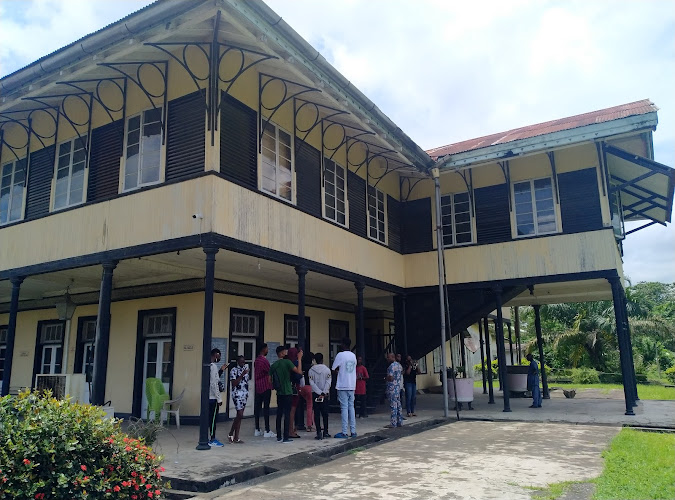
The SIP Station Hub Calabar Museum represents one of those unexpected cultural gems that travelers stumble upon and end up spending way more time exploring than they initially planned. Located in Calabar, this museum serves as a fascinating window into the rich historical tapestry of Cross River State and Nigeria’s broader cultural heritage. And honestly, it’s the kind of place that makes you wish you’d paid more attention during history class.
What sets this museum apart from your typical dusty artifact collection is its approach to storytelling. The exhibits don’t just sit behind glass cases looking important – they actually engage visitors in understanding the evolution of the region from pre-colonial times through to the modern era. The curators have done something special here by creating an experience that works for both serious history buffs and casual visitors who just want to learn something interesting during their travels.
I remember talking to a fellow traveler who mentioned spending nearly three hours here when she’d only planned for forty-five minutes. That’s the thing about well-designed museums – they pull you in deeper than you expect. The SIP Station Hub manages to balance educational content with accessibility, making historical narratives approachable without dumbing them down. You’ll find yourself genuinely curious about the next exhibit room, which is exactly how museums should work but so rarely do.
The facility showcases artifacts, photographs, and interactive displays that chronicle everything from traditional societies and their governance structures to the colonial period and Nigeria’s journey toward independence. But beyond the standard historical timeline, the museum also highlights cultural practices, traditional crafts, and the daily lives of people who called this region home across different eras. It’s this attention to ordinary life – not just kings and battles – that makes the experience feel complete.
Key Features
The SIP Station Hub Calabar Museum offers several standout features that enhance the visitor experience:
• Comprehensive historical collections spanning pre-colonial, colonial, and post-independence periods of Cross River State and surrounding regions
• Well-preserved artifacts including traditional tools, ceremonial objects, textiles, and cultural implements that tell stories of daily life across generations
• Photographic archives documenting the transformation of Calabar and its communities over the decades
• Interactive displays that allow visitors to engage with history beyond passive observation
• Educational exhibits designed with families in mind, making historical content accessible and interesting for children
• Wheelchair accessible facilities throughout the museum, including dedicated parking areas and restrooms
• Onsite restaurant where visitors can take a break and grab refreshments without leaving the premises
• Clean, well-maintained restroom facilities that travelers consistently appreciate
• Knowledgeable staff members who can provide context and answer questions about specific exhibits
• Rotating or special exhibitions that give repeat visitors new content to explore
• Cultural displays highlighting the diverse ethnic groups that have shaped the region’s identity
• Climate-controlled exhibition spaces that protect artifacts while keeping visitors comfortable
Best Time to Visit
Timing your visit to the SIP Station Hub Calabar Museum can make a real difference in your experience. The museum welcomes visitors year-round, but certain periods offer distinct advantages depending on what you’re looking for.
Weekday mornings, particularly Tuesday through Thursday, tend to be quieter. You’ll have more space to move through exhibits at your own pace and better opportunities to engage with staff members who aren’t juggling multiple groups. If you’re someone who likes to really absorb information and maybe linger over particular displays that catch your interest, these slower periods work beautifully.
Weekends naturally draw larger crowds, especially families with children. This creates a different energy – more animated, certainly louder, but also kind of wonderful if you appreciate seeing kids get excited about learning. Saturday afternoons in particular can get busy, so arrive early if you’re visiting on a weekend.
From a seasonal perspective, Calabar’s climate plays a role in planning. The dry season, running roughly from November through March, offers the most comfortable weather for travelers. You won’t be dealing with heavy rains that might complicate your transportation to the museum or make the journey less pleasant. And since you’ll likely be combining your museum visit with other Calabar attractions, dry weather makes logistics simpler.
The rainy season from April through October doesn’t make the museum inaccessible – the facility itself remains comfortable regardless of weather – but getting there becomes trickier. That said, if you’re already in Calabar during these months, the museum makes an excellent rainy day activity.
Special events and cultural celebrations in Calabar can coincide with extended museum hours or special exhibitions. The Calabar Carnival in December, for instance, brings tremendous energy to the city, though it also means larger crowds everywhere. If you thrive on that festival atmosphere, it’s perfect. If you prefer quieter contemplation, maybe schedule around it.
Holiday periods see increased local visitation, which offers its own reward – experiencing the museum alongside Nigerian families and school groups provides cultural context you won’t get when surrounded only by international tourists.
How to Get There
Reaching the SIP Station Hub Calabar Museum requires a bit of planning, but the journey itself offers glimpses into local life that add richness to your travel experience.
For travelers arriving from outside Nigeria, you’ll first fly into one of the country’s major international airports – typically Lagos or Abuja – then catch a domestic flight to Margaret Ekpo International Airport in Calabar. The domestic leg takes about an hour from Lagos and offers aerial views of Nigeria’s diverse landscapes that are worth staying awake for.
From the airport, you’re looking at roughly a 20 to 30-minute drive to reach the museum, depending on traffic conditions and your exact starting point. Taxis are readily available at the airport, though negotiating the fare beforehand is standard practice. Many travelers find that arranging airport pickup through their accommodation eliminates the hassle of negotiation when you’re tired from traveling.
Ride-hailing apps have gained traction in Calabar, providing another convenient option with transparent pricing. The apps work similarly to what you’re probably familiar with from other cities, making the process straightforward even if you’re new to the area.
If you’re already based in Calabar for an extended stay, local transportation options including motorcycle taxis (okadas) and tricycles (keke) can get you there affordably. These options give you a more ground-level view of the city, though they’re definitely more adventurous than enclosed vehicles. Your comfort level with these transportation modes will vary – some travelers love the openness and local flavor, while others prefer the familiarity of conventional taxis.
For visitors coming from other Nigerian cities by road, Calabar is accessible via well-traveled routes, though journey times vary considerably depending on your origin point. The Cross River State capital is connected to major highways, and the roads have seen improvements in recent years. Still, Nigerian road travel requires patience and flexibility with timing.
The museum’s wheelchair accessible parking lot deserves mention because accessible facilities can’t be taken for granted everywhere. If you’re traveling with mobility considerations, knowing this infrastructure exists makes planning significantly easier.
Tips for Visiting
Making the most of your SIP Station Hub Calabar Museum experience involves some practical considerations that’ll enhance your visit considerably.
Allocate more time than you think you’ll need. Seriously, this mistake gets made constantly – people budget an hour when they really need two or three to properly absorb the exhibits without rushing. And rushing through a museum defeats the entire purpose. You’re here to learn and experience, not to tick a box on your itinerary.
Bring a light jacket or sweater even though Calabar’s climate is generally warm. The museum’s climate control keeps exhibits at optimal temperature, which sometimes means cooler interior spaces than you’re expecting. Being comfortable allows you to focus on what you’re seeing rather than whether you’re too cold.
Photography policies vary by exhibit, so check with staff before snapping pictures. Some areas allow photography while others restrict it to protect sensitive artifacts. Asking first shows respect for the institution and its collections.
The onsite restaurant is genuinely useful for longer visits. Museum fatigue is real – that point where your brain stops processing new information because you’re hungry or tired. Taking a proper break, grabbing some food, and giving yourself time to process what you’ve seen before continuing makes the second half of your visit much more productive.
Engage with the staff members. They possess knowledge that doesn’t appear on exhibit labels and can point you toward displays that match your particular interests. A five-minute conversation with a knowledgeable guide can completely reshape how you understand an entire section of the museum.
Visit the restroom before starting your tour through the exhibits. This sounds obvious, but planning your comfort needs prevents interrupting your flow through the galleries. The facilities are clean and accessible, so take advantage before diving into the collections.
If you’re traveling with children, the museum’s kid-friendly approach is genuine, but bringing along a small notebook or sketchpad gives younger visitors something to do with their hands. Having kids draw their favorite artifacts or write down interesting facts they learn transforms passive observation into active engagement.
Wear comfortable shoes because you’ll be on your feet more than you realize. Museum floors, even well-designed ones, become tiresome after an hour or two of standing and walking. Your feet will thank you for choosing comfort over style.
Consider visiting early in your Calabar trip rather than saving it for the end. The historical and cultural context you gain from the museum enriches your understanding of other sites you’ll visit around the city. When you understand the background, everything else makes more sense.
Don’t skip exhibits that don’t immediately grab your interest. Some of the most memorable museum moments come from displays you almost walked past. Give each section at least a brief look before moving on – you might surprise yourself with what catches your attention.
Accessibility features are present throughout the facility, so if you or anyone in your group has mobility needs, don’t hesitate to take advantage of the wheelchair accessible entrances, restrooms, and parking. The museum has made real efforts to accommodate all visitors.
Finally, manage your expectations reasonably. This museum offers substantial value and genuine educational merit, but it’s not the British Museum or the Smithsonian. Approach it for what it is – a well-curated regional museum that tells important stories about an often-overlooked part of Nigeria. With that mindset, you’ll leave impressed and enriched rather than comparing it unfairly to institutions with vastly different resources.
 Real Journey Travels