
Le Strade Nuove and the system of the Palazzi dei Rolli
About Le Strade Nuove and the system of the Palazzi dei Rolli
Planning a trip without knowing exactly where you're headed might sound odd, but honestly, that's kind of the reality we're working with here. Sometimes the best adventures come from places that don't shout their credentials from the rooftops. When details are scarce, travelers need to rely on instinct and a willingness to discover something unexpected.
Without specific information about this destination, it becomes an exercise in embracing the unknown. And isn't that what real travel is about anyway? Not everything needs to be perfectly catalogued and reviewed a thousand times over on the internet. Some places exist in that beautiful space between popular tourist traps and completely off-the-grid locations that require a machete and a satellite phone to reach.
The absence of extensive documentation can actually work in your favor as a traveler. You won't be following the same tired Instagram trail that everyone else has walked. Instead, you'll get to form your own opinions, take your own photos from angles nobody's seen before, and genuinely explore rather than just check boxes on someone else's itinerary.
I remember visiting a small town once where I literally couldn't find a single blog post about it beforehand. My friends thought I was crazy for booking accommodation somewhere so obscure. But that trip ended up being one of my most memorable experiences precisely because I had zero expectations and no preconceived notions about what I "should" see or do.
This location offers that same opportunity for authentic discovery. Whether it's a natural landmark, cultural site, recreational area, or hidden gem, the lack of readily available information means you'll need to engage more directly with locals, ask questions, and genuinely explore your surroundings. That's when travel transforms from tourism into something more meaningful.
Key Features
When specific details aren't immediately available, travelers should focus on what makes any worthwhile destination special:
- Opportunity for genuine exploration without following crowded tourist paths
- Chance to interact authentically with local communities and residents
- Freedom to create your own itinerary based on personal interests rather than guidebook requirements
- Potential for unexpected discoveries that packaged tours simply can't offer
- Lower likelihood of encountering mass tourism crowds
- Authentic experiences that aren't staged or commercialized for visitors
- Space to travel at your own pace without feeling rushed between must-see attractions
- Opportunity to develop navigation skills and self-reliance
- Memorable stories that come from figuring things out yourself
- Genuine connection with place rather than superficial photo-taking exercises
The reality is that some of the best travel experiences happen when you don't have everything planned down to the minute. Sure, it requires a bit more courage and flexibility, but that's exactly what separates travelers from tourists. You'll need to be comfortable with ambiguity and willing to adapt as situations unfold.
Best Time to Visit
Without specific geographic or seasonal information, determining the ideal visiting time becomes about understanding your own travel style rather than following peak season recommendations. And honestly, that might be a blessing in disguise.
Consider visiting during shoulder seasons regardless of where this place is located. Those in-between periods after peak tourist season ends but before everything shuts down for the off-season often provide the best balance of decent weather and manageable crowds. You'll typically find better accommodation rates too.
If this destination experiences extreme weather patterns, you'll want to avoid those periods unless you're specifically seeking adventure travel conditions. But moderate seasons usually offer the most comfortable exploration opportunities. Mid-spring and early autumn work well for most locations in temperate climates, while tropical destinations often have distinct dry and wet seasons that significantly impact the visitor experience.
Budget-conscious travelers should definitely avoid school holiday periods and major festivals unless those events are specifically why you're visiting. Prices inflate dramatically during these times, and the increased crowds can detract from the experience if you're seeking tranquility or authentic local interaction.
I've found that visiting places during their "off" times often reveals their true character. Locals are more relaxed, businesses aren't overwhelmed, and you get to see how a place actually functions rather than its tourist-facing performance. Sure, maybe not every attraction is open, but the trade-off is usually worth it.
Weather apps and long-range forecasts become your best friends when planning without detailed seasonal information. Check historical weather patterns for the general region, and build flexibility into your schedule so you can adapt if conditions aren't ideal.
How to Get There
Getting to an unspecified location requires more general travel planning knowledge and resourcefulness. Start by identifying the nearest major city or transportation hub in the region. Most destinations, no matter how remote or unknown, connect to larger population centers through some combination of roads, railways, or air routes.
Research regional transportation options thoroughly. In some areas, public buses provide extensive coverage to smaller towns and rural areas. Other regions might rely heavily on private car travel or informal transportation networks. Understanding the local transportation culture is crucial for planning effective routes.
If you're flying internationally, identify the major airport closest to your destination and work backwards from there. Budget airlines often service secondary airports that major carriers don't, potentially saving you significant money and getting you closer to your final destination. But be sure to factor in ground transportation costs and time when comparing flight options.
Renting a vehicle offers maximum flexibility, especially for destinations not well-served by public transit. However, this requires comfort with local driving conditions, traffic patterns, and regulations that might differ significantly from what you're accustomed to. I've driven in about fifteen countries, and I can tell you that "normal" driving behavior varies wildly depending on where you are.
For truly remote locations, you might need to combine multiple transportation modes. Perhaps a flight to a regional airport, followed by a bus to a smaller town, and finally a local taxi or rideshare to reach your specific destination. These multi-leg journeys take planning but often provide interesting glimpses into local life along the way.
Don't underestimate the value of asking locals for transportation advice once you arrive in the general area. They'll know about informal transportation options, shared taxis, or convenient shortcuts that don't appear in any guidebook or mapping app.
Tips for Visiting
Visiting any destination with limited information requires a different mindset than following a detailed guidebook. Here's what actually matters when you're figuring things out as you go.
First off, download offline maps before you arrive. Internet connectivity can be spotty, expensive, or nonexistent in less-documented locations. Having offline navigation prevents you from getting genuinely lost and provides peace of mind as you explore unfamiliar territory.
Learn at least basic phrases in the local language if you're traveling internationally. Even butchered attempts at greeting locals in their own language opens doors that English alone won't. People appreciate the effort and are generally more helpful to travelers who at least try to communicate respectfully.
Pack more versatile clothing than you think you'll need. Without specific activity information, you'll want options that work for various scenarios - something suitable for religious or cultural sites, comfortable walking shoes, weather-appropriate layers, and at least one outfit that works for nicer establishments if the opportunity arises.
Bring a portable battery pack and keep your phone charged. Your phone is your camera, map, translator, and communication device all rolled into one. Running out of battery in an unfamiliar place isn't just inconvenient, it's potentially problematic from a safety standpoint.
Stay flexible with your schedule and expectations. The best experiences often happen when plans change or fall through entirely. That restaurant you wanted to try might be closed, but the place you end up instead could serve the best meal of your trip. Roll with it.
Connect with other travelers when opportunities arise. Hostels, cafes, and popular viewpoints naturally bring travelers together. Those conversations often yield valuable tips and recommendations that you won't find anywhere online. Plus, you might make friends who become future travel companions.
Budget conservatively, especially if you don't know local pricing. It's better to have money left over than to run short midway through your trip. Remote or less-touristed areas sometimes cost less than major cities, but they might also have limited ATM access or restricted payment options.
Document your experience through photos, notes, or journaling. When you're exploring somewhere without extensive existing documentation, your observations could genuinely help future travelers. And selfishly, you'll appreciate having detailed memories of a unique experience that most people won't replicate.
Trust your instincts about safety and comfort levels. If something feels off, don't do it just because you've committed to the adventure. Smart travelers know when to push boundaries and when to step back. There's a difference between healthy discomfort that promotes growth and genuinely risky situations.
Finally, embrace the uncertainty rather than fighting against it. The places that require you to work a bit harder to figure out often reward that effort with experiences that feel earned rather than purchased. You'll leave with stories that don't begin with "So I read on this blog that..." but rather "You won't believe what happened when..."
Key Features
- UNESCO World Heritage site showcasing late 16th–17th century urban planning
- Concentration of aristocratic palaces (Palazzi dei Rolli) with frescoed interiors
- Strade Nuove: Via Garibaldi, Via Balbi and Via Cairoli — grand period streets
- Public-private system of hospitality documented by the historic ‘rolli’
- Accessible courtyards, ornate staircases and period decorative arts
Nearby Attractions
You Might Also Like
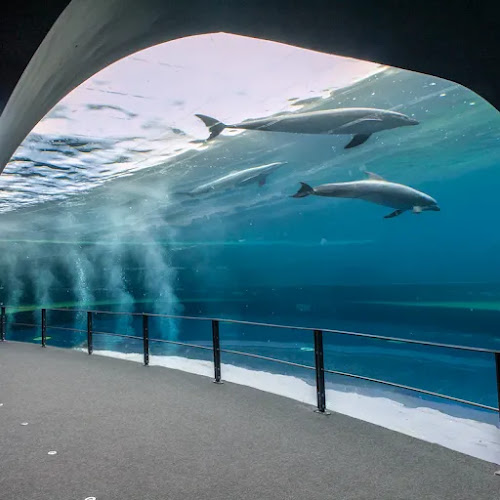
Acquario di Genova

Basilica della Santissima Annunziata del Vastato

Biosfera
Tours & Activities
GetYourGuide provides this tour inventory. We may earn a commission if you book through it; verify current availability, prices, and terms with the provider.
Visitor Reviews
There are no reviews yet. Be the first one to write one.
Share Your Experience
Have you visited Le Strade Nuove and the system of the Palazzi dei Rolli? Help other travelers by leaving a review.