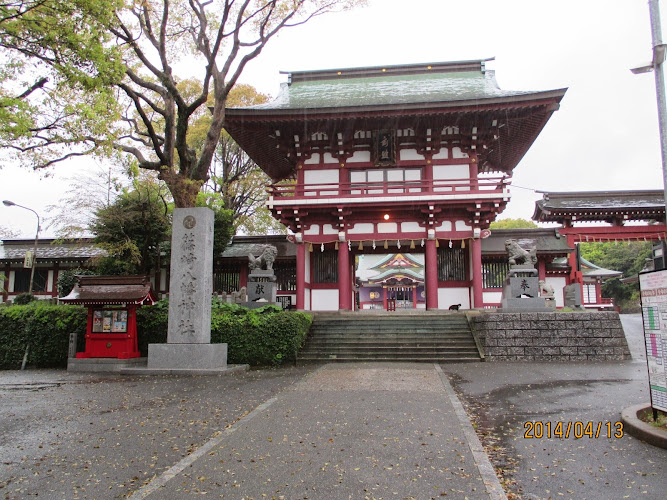
Shinozaki Hachiman Shrine is one of those places that quietly takes you by surprise. It doesn’t shout for attention the way some of Japan’s bigger shrines do, but instead it offers a calm, grounded experience that feels deeply connected to the local community. The shrine is dedicated to Hachiman, the Shinto deity of archery and war, but over time he’s also come to be seen as a protector of families and towns. That duality—strength and protection—really comes through when you walk the grounds. There’s a sense of history in the air, but also a kind of warmth that makes visitors feel welcome.
The shrine itself is well-kept, with traditional wooden architecture and a peaceful atmosphere that makes it easy to slow down for a while. You’ll find that it’s not overly crowded, which is honestly a blessing if you’ve just come from busier parts of Fukuoka or Kitakyushu. It’s a place where locals come to pray, families stop by to celebrate milestones, and travelers like you can pause to soak in a slice of authentic Japanese culture.
Accessibility is also part of what makes this shrine stand out. Unlike some older shrines that can be a bit tricky for visitors with mobility needs, Shinozaki Hachiman Shrine has a wheelchair accessible entrance and parking. There are restrooms on site too, which might not sound like a big deal, but if you’ve been traveling around Japan, you know how much of a relief that can be.
Of course, no shrine is perfect. Some visitors might find it less “grand” compared to the famous shrines in Kyoto or Tokyo, and you won’t find flashy decorations or huge tourist facilities here. But that’s kind of the charm—it’s understated, authentic, and more about the experience of being present than chasing postcard shots. For me, that’s exactly what makes it worth the visit.
Best Time to Visit
If you’re planning your visit, timing makes a big difference. Spring is a favorite, when cherry blossoms frame the shrine grounds and the air feels fresh with new beginnings. Autumn is another wonderful season, with crisp air and colorful leaves that add a dramatic backdrop to the shrine’s wooden structures. Personally, I love going in the early morning, no matter the season. There’s something about the quiet at that hour—the sound of your footsteps on the gravel, the faint smell of incense—that makes the experience feel more personal.
That said, if you happen to visit during a local festival, you’ll see the shrine in a completely different light. The energy shifts from calm to lively, with food stalls, music, and families filling the grounds. Both experiences are worth having, so it really depends on what you’re looking for: peace and reflection, or cultural immersion.
How to Get There
Reaching Shinozaki Hachiman Shrine is fairly straightforward if you’re already in Kitakyushu or nearby areas. Public transportation is usually the easiest route—local trains and buses connect well, and from the nearest stop it’s a short walk. If you’re driving, the shrine has parking available, which is a rare perk in Japan and especially helpful for families or groups.
I’ve taken both the bus and driven there before, and honestly, each has its perks. The bus ride gives you a chance to see more of the local neighborhoods, while driving lets you set your own pace. Either way, it’s not difficult to find, and the journey itself feels like part of the adventure.
Tips for Visiting
A few little things can make your visit smoother and more meaningful. First, remember to follow shrine etiquette: rinse your hands and mouth at the purification fountain, bow before entering, and be respectful when others are praying. Even if you’re not religious, these small acts show respect for the culture and the people around you.
Bring some coins with you too, since offering a small donation is customary when making a wish or prayer. And don’t rush—give yourself time to just stroll, notice the details in the carvings, or listen to the sounds around you. I once spent nearly half an hour just sitting quietly under a tree there, and it was one of the most grounding moments of my trip.
If you’re traveling with kids or elderly family members, the accessible facilities will make things easier. And since the shrine isn’t overly commercialized, you might want to bring a bottle of water or snacks with you, especially on hot days. Lastly, consider visiting in the morning or late afternoon for the best light if you’re into photography. The soft glow on the shrine’s wooden beams is something your camera—and your memory—will thank you for.
 Real Journey Travels