Kitakyushu occupies the northern tip of Kyushu in Fukuoka Prefecture, facing the Kanmon Strait and Honshu across the water. Formed from historic industrial cities including Kokura, Moji, Yahata, Wakamatsu and Tobata, it is a major rail, port and manufacturing gateway rather than a compact sightseeing town. Its waterfront views, former trading port, castle district and surprisingly close green uplands give visitors a useful cross-section of northern Kyushu.
This is an especially good choice for independent travelers who like urban history, rail travel, architecture and low-key local food, as well as families seeking museums and parks without the scale of Fukuoka. Base yourself near Kokura for the easiest connections, then make short outings to Mojiko, Yahata and the limestone country south of the city. Kitakyushu rewards two unhurried days, and works well as part of a wider Kyushu or western Honshu route.
Quick Planning Snapshot
Planning detailWhat to expectBest seasonsMarch to May for spring greenery and blossom season; October to November for cooler weather and autumn colorTypical trip lengthTwo full days; add a night for Hiraodai, seasonal gardens or a relaxed Kanmon Strait outingMain transport hubKokura Station, served by the Sanyo Shinkansen and major Kyushu rail linesLocal currencyJapanese yenPrimary languageJapaneseWalkability and transitWalkable around Kokura and Mojiko; use JR trains, the Kitakyushu Monorail and buses between districts
Getting There and Getting Around
Kitakyushu Airport is on an artificial island in Suo-nada and mainly handles domestic services, with limited international operations that can change by season. Airport buses link it with Kokura and central city areas. For a far wider choice of international flights, use Fukuoka Airport, then travel by subway or bus to Hakata Station and continue by Shinkansen or limited express/local rail to Kokura. The trip between Hakata and Kokura is fast by Shinkansen, making a Fukuoka arrival very practical.
Kokura Station is the essential rail hub: the Sanyo Shinkansen connects toward Hiroshima, Osaka and Tokyo, while JR lines run west to Mojiko, south through Kyushu, and east toward Shimonoseki. Drivers arrive via the Kyushu Expressway and urban expressways, but parking and multilane roads make a car unnecessary for a city-only visit. An IC card is convenient on much of the rail and bus network. Use the monorail from Kokura Station toward the southern suburbs; use JR for Mojiko and buses for places such as Kawachi Wisteria Garden and Hiraodai. Check the final return bus before leaving central districts, particularly on weekends and holidays.
Best Areas to Stay and Neighborhood Character
Kokura Station and Asano suit first-time visitors, business travelers and rail-based itineraries. Hotels here make early trains, airport buses and evening dining simple.Uomachi and the castle side of Kokura suit travelers who want covered shopping arcades, izakaya streets, museums and a more lived-in central atmosphere within walking distance.Mojiko Retro is best for a quieter heritage-port stay, water views and evening walks. It is less central for the rest of Kitakyushu, but ideal for couples and architecture fans.Yahata is a practical choice for industrial-heritage interests, Space LABO visitors or events around the eastern side of the city. It is usually less convenient than Kokura for a short, attraction-focused break.
Top Things to Do, Local Culture and Day Trips
Start in Kokura with Kokura Castle, rebuilt in the twentieth century on the site of the Hosokawa and Ogasawara stronghold. Its museum displays provide context for the district; the grounds flow into Katsuyama Park, a popular cherry-blossom setting in spring. Nearby, the Kitakyushu City Museum of Literature and the Yasaka Shrine area add easy stops, while the Uomachi arcade and Tanga Market reveal the everyday food culture of the city center.
Take the JR line to Mojiko for the city’s most photogenic waterfront. Mojiko Retro preserves and restores early twentieth-century port buildings, including Mojiko Station, and the promenade looks over the Kanmon Strait to Shimonoseki. Visit during daylight, then return around dusk when the waterfront is calmer. The pedestrian Kanmon Tunnel offers an unusual cross-strait walk to Honshu, while frequent boats provide another way to reach Shimonoseki for its market area and fugu-focused food culture.
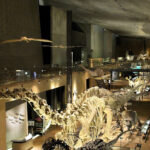
Yahata explains why Kitakyushu matters in Japan’s industrial story. The Imperial Steel Works, Japan, is part of the UNESCO-listed Sites of Japan’s Meiji Industrial Revolution; viewing arrangements and access rules vary, so confirm current visitor information before going. The Kitakyushu Museum of Natural and Human History and the adjacent Space LABO science facilities are strong rainy-day choices, especially with children.
For nature, Hiraodai is a karst plateau of pale limestone pinnacles, grassland and caves south of Kokura; it is most comfortable in mild weather and is easier by car or planned bus connection. Kawachi Wisteria Garden in Yahatahigashi is famous for its wisteria tunnels, but entry is controlled during peak flowering and advance arrangements may be required. Go outside the peak period only if you value the landscape rather than guaranteed bloom. Other worthwhile regional excursions include Shimonoseki, the hot-spring town of Beppu by limited express or highway bus, and Fukuoka for a contrasting large-city day.
Practical Planning Tips, Food Specialties and a Two-Day Flow
Kitakyushu has hot, humid summers, a relatively mild winter and rain in every season. June and early summer can be wet; typhoons may disrupt transport from late summer into autumn. Pack shoes with grip for Hiraodai or wet stone paths, and carry a compact rain layer. The city is generally safe, but use normal station-area awareness late at night and keep clear of waterfront edges in strong wind. Cash remains useful in small eateries and markets, though cards and IC payments are increasingly common. Tipping is not expected; a polite greeting, quiet train behavior and queueing carefully are the useful etiquette basics.
Look for Kokura-style yaki udon, widely associated with the city, plus rich tonkotsu ramen, grilled yakitori, fresh fish and seafood from the Kanmon area. Mojiko yaki curry, a baked curry dish often served in retro-style cafés, is the local port-area classic. At Tanga Market, choose ready-to-eat items with care and follow vendor guidance on where to eat; markets are working food spaces, not merely attractions.
On day one, arrive at Kokura, tour the castle and Katsuyama Park, browse Tanga Market and Uomachi, then eat yaki udon or ramen nearby. On day two, take an early train to Mojiko, explore the heritage waterfront and consider the Kanmon Tunnel or ferry to Shimonoseki. Return to Kokura for the evening. Travelers with a third morning should choose Hiraodai for open landscapes, Yahata for museums and industrial heritage, or Kawachi Wisteria Garden when its seasonal access is confirmed.
 Real Journey Travels