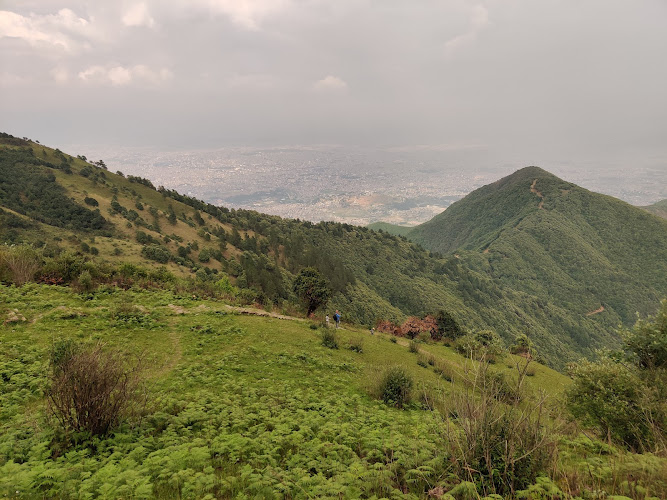
Sure, it may not be as famous as its siblings Shivapuri or Chandragiri, but Bhasmasur has this low-key magic that gets under your skin. If you’re willing to lace up your hiking boots and shrug off the urge for a cable car, you’ll earn a view (and a story) worth sharing.
The hill, named after the troublemaking demon Bhasmasur from Hindu mythology, is a lure for spiritual seekers, hikers, and curious wanderers alike. A striking Hindu temple marks the top—a place tinged with the legends of gods and mischief. The path up can feel like a pilgrimage, but one dotted with wandering goats, pungent rhododendrons (trust me, if you’re here in spring, you can’t miss ’em), and that peculiar sense of calm you only find above the tree line.
To be brutally honest: it’s not the most touristy hill in the valley, and I sort of love that about it. You’re more likely to swap nods with locals or offer a sheepish namaste to a monk than bump elbows with a busload of selfie-stick-wielding visitors. Don’t expect perfectly paved trails or a visitor center. Do expect a hearty climb, stray dogs tagging along, and that quiet satisfaction when you look back on Kathmandu sprawling in the haze below.
Got a thing for myths and legends? The story goes that Bhasmasur—the demon who could turn folks to ashes by touching their heads—met his end here, tricked by Lord Vishnu in disguise. Talk about drama! Today, folks come for blessings, stunning panoramas, and a slice of myth woven into every gust of wind.
Bhasmasur Hill isn’t about glossy brochures or big-budget marketing. It’s about stepping off the main route, letting your calves burn, feeling a bit lost, and then realizing you’ve stumbled onto something real. If you like your travels with a pinch of adventure, a shake of spiritual energy, and a scoop of local flavor, this might just be your next favorite spot.
Best Time to Visit
Let me give it to you straight—there really isn’t a “bad” time for Bhasmasur Hill, but some months absolutely shine. March to May is my personal sweet spot. The weather is warm (but not sticky), the rhododendrons paint the hills in red and pink, and the air feels like someone cranked up the clarity filter on real life.
October to early December is another crowd favorite. Skies are clear, the mountains are out in full glory, and the trails are nicely packed down from post-monsoon hikers. Winter is brisk up top, and yes, you’ll want a jacket, but there’s something lovely about the sharp air and empty paths.
If you’re the daring type, monsoon (June to September) brings a whole new flavor—lush and mysterious, with everything washed fresh. But also: mud, leeches, and slippery spots. I’ve braved it, but only recommend for the stubborn or the well-prepared. Most casual visitors should avoid those months, unless you genuinely enjoy getting wet and testing your grit.
I always say: the best time is when you’re actually here. Weather apps be darned, the real joy is seizing the moment.
How to Get There
Alright, logistics—the bit everyone either loves or dreads (I’m a fan of messy travel stories, so bring it on). Bhasmasur Hill isn’t hard to find if you know what you’re looking for, but it does still feel like a small adventure.
Start from Kathmandu city center and head towards Dakshinkali. You’ll want to make your way by road—private vehicle is easiest, but local buses run regularly and are a real slice of daily Nepal life. If you’re feeling bold, local taxis or hiring a scooter can work (just keep your eyes peeled, roads can be… quirky).
Once you arrive in the vicinity, you’ll spot the start of the hiking trail, but don’t expect fanfare or a flashy sign. More like: a dirt path, a temple bell or two, and that unmistakable sense you’re on the right track when you see other hikers. Take your time on the ascent—it can be steep and the stone steps are real ankle-twisters if you aren’t careful. Generally, it’ll take 1.5 to 3 hours to reach the top, depending on your pace and how many times you stop for photos (or snacks—always bring snacks).
There’s virtually no public transport all the way to the top, so whatever wheels you bring will stay at the base. Consider arranging a ride back in advance, especially if you don’t know the area or if you’re hiking late.
Tips for Visiting
-
Pack layers—seriously: Even on sunny days, the top can get chilly. Windbreaker, hat, and a scarf won’t go amiss. If the forecast looks iffy, an umbrella can double as sunshade or rain shield.
-
Bring enough water and snacks: There’s little to no chance of buying things on the trail or even at the summit. I always stash dry fruit and a Snickers in my pocket—lifesaver.
-
Allow enough time: If you’re a slowpoke like me (I mean, what’s the rush, right?), start early. The climb’s not deadly, but you’ll enjoy it a lot more when you’re not racing daylight.
-
Footwear matters: I once tried the trek in “city sneakers” and regretted it halfway up. Proper hiking shoes save your soles.
-
Respect the temple and locals: Dress modestly near the temple, remove your shoes when asked, and never photograph inside if it’s not allowed. A little politeness goes a long way.
-
Watch your step: Some parts are rocky or overgrown, so skip the headphones and stay alert.
-
Carry your trash: Bhasmasur is clean now, let’s keep it that way! I’ve seen hikers bring mini trash bags—love that energy.
-
Go with friends (or make some on the trail): Hiking solo is fabulous, but company does make it merrier—and safer if you turn an ankle or just want someone to share an orange with at the summit.
-
Be ready for spiritual moments: Even if you’re not “temple-y,” there’s a sort of hush at the top that feels bigger than words. Give yourself time just to sit,
 Real Journey Travels