And honestly, that’s exactly what makes it so compelling for travelers who want more than just pretty scenery from their adventures.
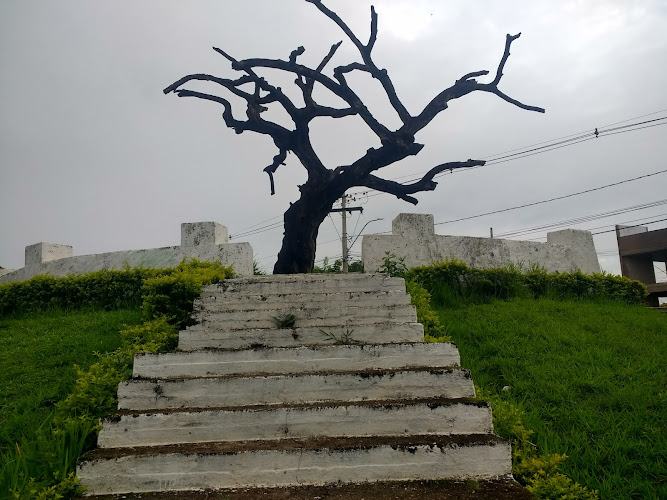
This ancient tree has witnessed centuries of executions and served as a grim reminder of medieval justice systems. You know how some places just have this heavy atmosphere that you can almost feel? Well, this is definitely one of them. The massive oak tree, with its thick, weathered branches stretching out like ancient arms, has become a powerful symbol that connects visitors to a time when public executions were part of daily life.
What really strikes most people when they first see it is how ordinary it looks at first glance. But then you start to understand the weight of history hanging from those branches – literally and figuratively. The tree’s gnarled bark tells stories that go way beyond what any history book could capture, and there’s something deeply moving about standing in the same spot where so many dramatic moments unfolded over the centuries.
Local historians estimate that hundreds of executions took place here between the 14th and 18th centuries, making it one of the most historically significant execution sites in the region. But don’t worry – despite its dark past, families with children often visit as part of educational trips about local history. Kids tend to be fascinated by the stories, though parents should be prepared for some tough questions about justice and punishment in bygone eras.
Key Features
When you’re planning your visit, here’s what you absolutely shouldn’t miss:
Best Time to Visit
Timing your visit really depends on what kind of experience you’re after, and I’ve got some strong opinions about this based on what I’ve observed over multiple visits.
October through early November is absolutely magical if you want the full atmospheric experience. The autumn mist that rolls in during early morning hours creates this almost otherworldly feeling that perfectly matches the site’s somber history. Plus, the changing leaves provide a stark contrast between natural beauty and historical darkness that’s quite profound.
Spring visits from April to May offer a completely different perspective. The contrast between new life blooming everywhere and the tree’s grim past creates this interesting juxtaposition that many photographers find compelling. And honestly, if you’re bringing kids, spring might be your best bet since the environment feels less intimidating.
Summer can get pretty crowded, especially on weekends, but the longer daylight hours mean you can spend more time exploring the surrounding historical area without feeling rushed. However, I’d avoid July and August if possible – the heat combined with large tour groups can make the experience feel more like a tourist trap than a meaningful historical encounter.
Winter visits are for the truly dedicated history buffs. Sure, it’s cold and sometimes difficult to access, but there’s something powerful about experiencing the site when it’s stripped down to just you, the tree, and the weight of history. The bare branches look even more stark and imposing against gray winter skies.
Early morning visits, regardless of season, tend to be the most moving. There’s usually fewer people around, and the quiet atmosphere allows for more reflection and contemplation.
How to Get There
Getting to the Tree of the Hanged requires a bit of planning, but it’s definitely worth the effort. The site sits about 3 miles outside the main town center, and there’s really only one practical route for most visitors.
If you’re driving, you’ll want to take the old county road that winds through some pretty countryside before reaching the historical park. The road’s clearly marked, but fair warning – it gets narrow in places and isn’t great for larger vehicles. There’s a decent-sized parking area that can handle about 30 cars, though it fills up quickly during peak tourist season.
Public transportation is honestly pretty limited. The regional bus service runs twice daily during tourist season, but the schedule’s not exactly convenient if you want to spend more than an hour at the site. Most visitors end up driving or joining organized tours from the town center.
For those who enjoy hiking, there’s actually a really nice 2-mile walking trail that connects to the main town’s historical district. The trail’s well-maintained and offers some beautiful views of the surrounding countryside, plus you’ll pass several other minor historical sites along the way. But wear good walking shoes – parts of the path can get muddy, especially after rain.
Bicycle access is possible, though the hills leading to the site are pretty challenging. Local bike rental shops usually have maps showing the easier routes if you’re determined to cycle there.
Tips for Visiting
After several visits and talking with countless other travelers, I’ve learned some things that’ll definitely improve your experience here.
First off, bring a good camera, but be respectful about how you use it. This isn’t the place for silly selfies or Instagram poses – remember that real people died here under terrible circumstances. The best photos usually capture the tree’s imposing presence and the solemn atmosphere of the surrounding area.
Dress appropriately for walking on uneven ground and potentially muddy conditions. The area around the tree isn’t paved, and you’ll want sturdy shoes if you plan to explore the full site. Also, layers are your friend since the tree sits in an open area that can get windy.
The interpretive center closes an hour before the site itself, so if you want to see the exhibits and artifacts, plan accordingly. And trust me, you do want to see them – they provide crucial context that makes the whole visit much more meaningful.
If you’re traveling with children, consider reading up on the history beforehand so you can answer their questions appropriately. Kids often have very direct questions about death and punishment that can catch parents off guard.
Pack water and snacks if you’re planning to spend more than an hour exploring. There’s nowhere to buy refreshments at the site itself, and the nearest facilities are back in town.
Don’t rush your visit. This isn’t the kind of place where you snap a few quick photos and move on. The real value comes from taking time to read the historical markers, walk the paths, and really absorb the significance of what happened here. Most meaningful visits last at least 90 minutes.
Check the weather forecast before heading out. The site remains open in light rain, but severe weather can make the access road dangerous and the walking paths treacherous.
Finally, approach your visit with the right mindset. This is fundamentally a memorial to people who died violently, often for crimes that wouldn’t even be punishable today. A little solemnity and respect go a long way toward making this a worthwhile educational experience rather than just another tourist stop.
 Real Journey Travels