Built on the ruins of Nagoya Castle in Karatsu, Saga Prefecture, the museum stands on ground that once bustled with samurai, strategists, and Toyotomi Hideyoshi himself during preparations for the invasions of Korea in the late 16th century. Today, instead of armies, you’ll find exhibitions, artifacts, and reconstructions that tell the story of Japan’s long, complicated relationship with the Korean peninsula. And yes, the museum doesn’t shy away from presenting history from a perspective that may feel unfamiliar or even controversial to some visitors. That’s actually what makes it worth seeing—you’re not just getting a polished, one-sided version of events but rather a chance to reflect on how history is told and remembered.
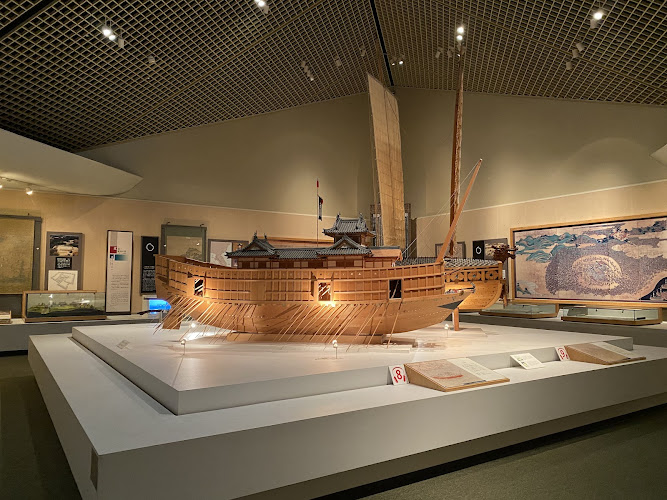
Walking through the museum, you’ll see dioramas, ancient maps, and even a life-sized model of the famed turtle ship, which some historians argue may not have actually existed in the way it’s often depicted. Whether you find that fascinating or frustrating depends on your own curiosity about history. Personally, I found myself lingering in front of that model longer than expected, wondering how much of what we “know” is shaped by interpretation. It’s an experience that sticks with you, even if you don’t agree with every narrative presented.
The museum is free to enter, which is a rare treat in Japan where many cultural sites charge admission. That makes it an easy stop if you’re already exploring Karatsu or the surrounding area. Some visitors breeze through in under an hour, while others spend half a day diving into the details. Either way, it’s a place that leaves an impression, for better or worse. And if you’re the type who enjoys questioning history, you’ll likely walk away with more to think about than you expected.
Best Time to Visit
If you’re planning a trip, timing your visit can make a big difference. Spring and autumn are hands down the best seasons to explore the museum and the castle ruins outside. In spring, cherry blossoms frame the stone walls, and it feels like stepping into a painting. Autumn brings crisp air and fiery foliage that makes wandering the ruins even more atmospheric. Summer can be brutally hot and humid in Kyushu, so unless you’re used to sticky weather, you might find it uncomfortable. Winter, on the other hand, is quieter. The crowds thin out, and while the landscape is a little bare, there’s a certain stillness that makes the historical weight of the site more palpable. Personally, I’d pick late October—cool breezes, golden leaves, and fewer tour buses.
How to Get There
Reaching the Saga Prefectural Nagoya Castle Museum isn’t complicated, but it does take a bit of planning. From central Karatsu, you can hop on a bus from the Oteguchi Bus Center, and after about 40 minutes you’ll be dropped off near the museum entrance. From there, it’s a short walk. If you’re driving, there’s parking available, including accessible spaces for visitors with mobility needs. The museum isn’t in a bustling city center, and that’s part of its charm—you feel like you’re stepping out of the everyday and into a place where history still lingers in the air. Just keep in mind, public transport schedules in rural areas aren’t always frequent, so check times ahead or you might find yourself waiting longer than you’d like.
Tips for Visiting
Here’s where a little insider advice goes a long way. First, don’t rush. Even if you’re not a hardcore history buff, give yourself at least a couple of hours to wander both the museum and the ruins outside. The ruins themselves are sprawling, and walking among the old stone walls is half the experience. Wear comfortable shoes—you’ll thank me later.
Second, don’t expect flashy technology or interactive displays like you might find in big city museums. This place is more traditional, with text panels, artifacts, and models. If you can’t read Japanese, the English explanations are decent, though not exhaustive. I’d suggest brushing up a little on the background of Toyotomi Hideyoshi and the invasions of Korea before you go—it’ll help the exhibits click into place.
Third, bring water and maybe a snack. There’s no restaurant on-site, and while there are restrooms (including gender-neutral ones), amenities are otherwise limited. If you’re traveling with kids, keep in mind that younger ones might lose interest quickly, but older children who enjoy castles or samurai stories could find it fascinating.
Lastly, go in with an open mind. Some visitors walk away frustrated by the way history is presented, while others appreciate the chance to see things from a different angle. Personally, I think that’s the whole point of travel—exposing yourself to perspectives you might not have encountered otherwise. Whether you agree or not, you’ll leave with a story to tell, and isn’t that what makes a place memorable?
 Real Journey Travels