Description
Zona Arqueológica Plazuelas in Guanajuato—oh, let me tell you, it’s not just another dot on the list of Mexican archaeological sites. It’s truly a place where the past kind of grabs you by the shoulders and says, Slow down. Look. This is where whole civilizations once lived, played, prayed, built, farmed, and debated the mysteries of the universe. Maybe you’ve visited other ruins before, or maybe this is your first taste of ancient Mexico’s layers—either way, Plazuelas is real proof that not everything about “ancient history” fits neatly into textbook boxes. It’s got its quirks, mystique, and, frankly, a lot of unanswered questions.
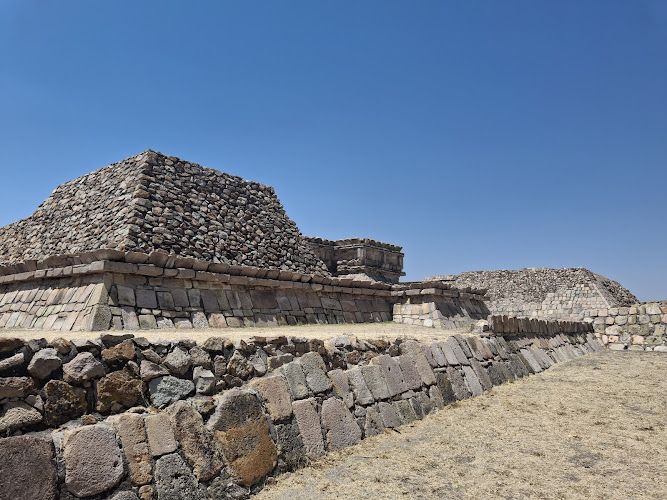
Perched among rolling hills and dramatic stone outcrops, the Plazuelas archaeological zone spills across a rocky plateau in the Bajío region near Pénjamo. This site isn’t massive like Teotihuacan, but don’t let that fool you: it’s one of the most complex and intriguing vestiges found in western Mexico. Thought to have been inhabited between 450-900 AD, Plazuelas pre-dates the Spanish conquest by a long shot. The locals who built it—Otomi, Chichimeca, and possibly Purépecha influences have all been suggested, though no one is really sure which culture held sway at the time—left behind intricate city planning, ceremonial buildings, pyramidal structures, sunken plazas, and one very unique ballgame court. Oh, and there’s a labyrinthine maze of carved stones with glyphs and game board patterns you’ll probably never spot anywhere else.
While you explore, you’ll notice the layout is thoughtfully arranged with three main architectural groups: Casas Tapadas, El Cajete, and Casas del Espíritu. The main plaza isn’t the only draw; it’s the details that make it pop. See those petroglyphs? Nobody’s entirely certain what they all mean, but some obviously map the settlement’s streets and terraces—others hint at deep beliefs in cosmology and math. In the on-site museum, if you’re a real history buff or artifact lover, you’ll spot clay figures, tools, and chunks of the ancient daily grind. The museum is small but surprisingly immersive, leading you gently into the story—just enough to make you itch to step outside to the ruins themselves.
Is Plazuelas perfect? No, not quite. Sometimes the path is a little muddy after rain or the signage could use a touch of English. But the trade-off? You get to wander through atmospheric ruins with barely any crowds, under open blue Mexican skies. And the landscape—agave fields, swaying grasses, and those odd, wind-twisted trees—lends the site this feeling of magic, as if the world has bent just a bit differently here.
Key Features
- Architectural Complexity: Plazuelas is home to one of the most complex urban layouts of western Mesoamerica, with ceremonial plazas, temples, terraces, and a ballgame court you can actually stand beside.
- Petroglyphs and Carvings: The site contains over a thousand petroglyphs carved into volcanic boulders. Don’t miss the gigantic stone “board games”—some say they resemble Mesoamerican board games, others guess cosmological charts. Make your own theory!
- Sunken Plaza: Probably the most spine-tingling spot at Plazuelas—a large sunken plaza used for rituals and ceremonies. Descending the stone steps, you can almost hear echoes from the past.
- Interpretive Museum: An intimate yet well-planned modern museum greets you at the entrance. Inside, you’ll find artifacts, original stones, and interactive panels. The descriptions are in Spanish, but even with high-school Spanish or a translation app, you’ll get the gist.
- Self-Guided Walking Trails: Plazuelas is ready for hiking. Well-marked paths wind among ruins, agaves, and native shrubs. If your shoes are made for walking—they’ll get a workout here.
- Accessibility: There are ramps, wheelchair-accessible entrances, and paved routes for strollers and visitors with limited mobility. Not all terraces are accessible, but the museum and key vistas definitely are.
- Free Parking: Multiple options: parking garage, lot, and even street parking (all free). Makes life way easier if you’re road-tripping.
- Local Eats: At the end of the lawns, you’ll find a humble kitchen staffed by locals. It’s not fancy—no credit cards, just pesos, and heartwarming food like fresh tortillas and agave-sweetened beverages. I still dream of their quesadillas!
- Vistas Across the Bajío: Views for miles—on a clear day, you see the rolling agricultural landscape that fueled the settlement. The sense of space is almost meditative.
- Photogenic Corners: From the brightly colored museum patio to the wild agave clusters and ancient stones, this place is a magnet for shutterbugs. Early morning light is chef’s kiss for your camera.
Best Time to Visit
If you love sweating buckets, then the baking Mexican summer—April through June—awaits. Kidding (mostly). To enjoy Zona Arqueológica Plazuelas at its finest, target the late fall through early spring—say, November to March. During these months, you’ll dodge the fierce midday heat and the heavy rains that can, let me tell you, turn the sunken plaza into something resembling a frog pond. The semiarid weather here is almost ideal in winter: blue skies, gentle breezes, and pleasant hiking temps usually hovering in the low to mid-20s Celsius (mid-70s Fahrenheit). Rainy season—June through September—does have its own mood: dramatic cloudscapes, fresh greenery, fewer visitors, but definitely bring sturdy shoes. I’ve once squished through ankle-deep mud and still say it was worth every dirty sock.
Weekdays are golden for solitude—weekends might draw some family groups and curious school visits, but nothing close to the crowds you’d see at big-name sites like Chichen Itza. Early arrival means cooler temps and gorgeous soft light, perfect for photography and for just soaking in solitude.
How to Get There
Zona Arqueológica Plazuelas sits right in the mosaic of rural Guanajuato, a region dotted with agave fields and quiet villages. It’s about 12.5 kilometers from Pénjamo—honestly, the drive is half the fun if you appreciate landscapes that look like a Diego Rivera painting. Take Carretera Federal No. 110, the main Irapuato-La Piedad corridor. Look carefully; signage can be subtle. I once missed the turn coming from Irapuato (don’t ask, but it involved an impromptu roadside taco stop). If using Google Maps or another GPS, double-check that it’s set for the archaeological site, not just “Plazuelas”—you don’t want to end up at someone’s backyard.
The approach in the last stretch, especially if you’re coming during or after rains, is a real treat—part paved, part dirt, part adventure. Don’t worry, most cars will manage fine unless it’s been seriously stormy. From Pénjamo, expect a 20-minute trip. From Irapuato, it’s about an hour. Public transit exists but is spotty; if you’re feeling intrepid, some colectivos or local buses from Pénjamo run nearby but plan ahead. Frankly, if you can swing a car rental, you’ll thank yourself for the flexibility.
When you arrive, free parking is ample and close to the entrance. No giant shuttle walks in searing sun—just a few minutes’ stroll, and you’re right at the small museum.
Tips for Visiting
-
Bring Pesos: All entrance fees, snacks, and handy souvenirs are cash only, and strictly pesos. Don’t get caught short or expect to swipe a card out in the fields of Guanajuato—been there, done that, had to trade two muffins to another traveler for cash.
-
Wear Good Shoes: It sounds obvious, but I’ve seen folks show up in flip-flops and regret it. Plazuelas means real hiking—sturdy shoes help with rocky paths, dusty stretches, or after-rain mud.
-
Sun Protection: Shade is scarce once you’re outside the museum. Bring a hat, sunscreen, and plenty of water (seriously—don’t try to macho it out in midday sun).
-
Photography: No weird restrictions, but flashless is courteous in the museum. Early mornings: great light, no crowds. Golden hour can be jaw-dropping.
-
Take Your Time in the Museum: Even if your Spanish is rusty, the exhibits are worth attention. Don’t rush—some of the most intriguing features are easy to miss (hello, mysterious game boards!).
-
Respect the Ruins: No climbing pyramid steps or ancient walls (even if you’re tempted for that epic selfie). Help keep Plazuelas preserved for the next thousand years.
-
Wheelchair and Stroller Access: Major paths and the museum are accessible, though some more remote ruins aren’t. Still, the main highlights are doable for mobility-impaired travelers.
-
Check Opening Hours: Times can vary, especially around local holidays. A quick call ahead or check from a local host/hotel will save you arriving to locked gates. (Don’t ask how I know…)
-
Combine With Local Attractions: If you’re keen, Pénjamo has the Corralejo distillery, birthplace of Miguel Hidalgo, and classic small-town squares worth a visit. A full-day adventure can easily be planned.
In the end, Zona Arqueológica Plazuelas doesn’t just promise a journey through ruins—it offers that heady, quiet thrill of discovering secrets at your own pace, far from the crowds of Mexico’s more famous archaeological sites. Don’t rush it. Bring shoes you don’t mind getting dirty and a sense of adventure, and Plazuelas will reward you with stories that’ll rattle around in your head for years.