
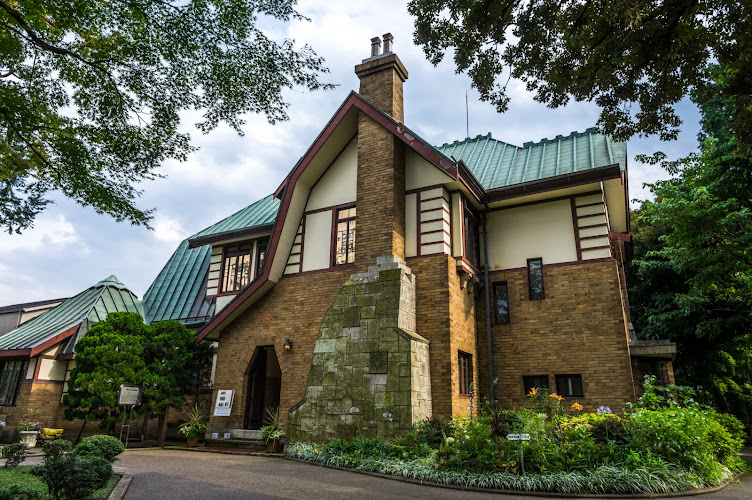
Yuzo Yamamoto Memorial Museum
About Yuzo Yamamoto Memorial Museum
Description
The Yuzo Yamamoto Memorial Museum sits inside a western-style building that used to be the private home of Yūzō Yamamoto, one of modern Japan’s most respected playwrights and novelists. It has the air of a well-kept memory: wooden floors that creak just slightly underfoot, tall sash windows that let in a gentle light, and rooms arranged as if someone might step back in and resume writing at any moment. The house-museum is small in footprint but rich in atmosphere; it feels intimate rather than monumental, which is exactly why many literature fans and curious travelers carve out time to visit.
Inside, the displays focus on Yamamoto’s manuscripts, letters, first editions, personal items, and photographs that trace both his creative life and the cultural currents of early 20th-century Japan. Exhibits are curated to tell a story, not just to catalogue objects: there are sections that map out how a particular play evolved from a draft to a performance, and corners that show Yamamoto’s influences and friendships. The overall effect is instructive and poignant. If someone’s expecting a large museum with flashy multimedia, they might be surprised. But if someone wants a quiet, thoughtful place to connect with literary history, this is the spot.
Guided tours and occasional events—readings, small lectures, and commemorative exhibitions—give the place a rhythm. Tours tend to move at a gentle pace; guides point out details that might otherwise be missed, like a margin note on a manuscript or a photograph with an intriguing backstory. The museum’s programming is thoughtful rather than loud. And because it is the former home of a writer, the space keeps a domestic scale: rooms feel human-sized, the garden (when open) is compact, and the entire experience encourages slow looking and reflection.
Accessibility has been taken into account—there is a wheelchair-accessible restroom on-site—so the museum makes an effort to be welcoming to a broad range of visitors. One practical note: there is no on-site restaurant, so plan ahead for snacks or meals. Restroom facilities are available for guests, which matters more than people often admit when planning a full day of wandering in Tokyo. The staff are generally friendly and patient; they answer questions with a mix of factual detail and a bit of warmth, the kind of warmth that suggests local pride rather than tourist rehearsed scripts.
For travelers interested in architecture as much as literature, the western-style building itself is worth attention. It’s a good example of residential design from the era when Western influences were being absorbed into Japanese domestic architecture—think of the mix of plaster walls and timber, the way spaces are partitioned, the modest scale of the rooms. This cross-cultural architectural feel gives the museum a distinct identity. It’s not a grand palace; rather, it’s a comfortable manor that has aged kindly and tells a layered story about a person and a period.
Key Features
- Former private home of Yūzō Yamamoto, preserved as a western-style manor with original architectural details
- Exhibits of manuscripts, letters, early editions, photographs, and personal artifacts
- Guided tours and occasional literary events, readings, and special exhibitions
- Wheelchair-accessible restroom on the premises, improving accessibility for visitors
- Restroom available; no on-site restaurant—great cafes and eateries nearby should be considered
- Intimate, contemplative atmosphere suited for literature lovers, students, and curious travelers
- Small garden area and exterior features that reflect the building’s residential past
- Staff known for helpful, somewhat informal guidance rather than rigid formality
Best Time to Visit
Timing matters here in a way that’s pleasantly low-key. Weekdays—especially weekday mornings—are the best bet for visitors who prefer quieter conditions. The museum’s small rooms can feel crowded during peak hours, particularly on weekend afternoons and when special events are scheduled. So if someone wants to linger over manuscripts, to read plaques slowly and take pictures of architectural details without bumping into other guests, the early weekday visit is the sweet spot.
Seasonally, cherry blossom season and autumn leaf season bring more people to Mitaka and greater Tokyo green spaces, so foot traffic increases overall. That said, the museum itself does not rely on seasonal spectacle; its appeal is steady year-round. Winter visits have a different charm—the interior feels especially warm and intimate on a chilly day. Summer can be busy; also, Tokyo summers get hot and humid, and because the building is historic, air-conditioning is present but not what one might expect in a modern shopping mall. Bring a light fan or wear breathable clothing if visiting July–August.
For those who want to combine a visit with a literary event, check the museum’s event calendar well in advance (many events have limited capacity). Special exhibitions are announced sparingly and often draw a dedicated local crowd, so reserve or arrive early when possible. If someone happens to be in town during a commemorative anniversary for Yūzō Yamamoto, that’s a fine time to visit—but do expect a more bustling atmosphere and possibly longer waits for guided segments.
How to Get There
Reaching the museum is straightforward if one is familiar with Tokyo’s transit system. The area is served by the city’s trains and buses, and most travelers will find that arriving by train is the easiest option. From a major hub, follow local transit directions to the Mitaka area, then walk or take a short bus ride to the museum neighborhood. The building is in a residential block, so the final stretch is often along quieter streets—pleasant, though not particularly touristy.
Taxi rides are convenient if someone is carrying luggage or prefers door-to-door travel; fares are reasonable for short hops within Tokyo. For visitors coming from farther afield, the journey doubles as a small urban adventure: glimpses of everyday Tokyo life, local shops, and compact gardens that make the city feel less anonymous. Parking is limited near the museum, so driving is not recommended unless one has a clear plan for parking in advance.
Signage in the neighborhood is in Japanese, so carry a screenshot of the museum name in Japanese or have the address handy on a phone for navigation apps. Museum staff are used to helping international visitors, but the immediate neighborhood won’t be crowded with English-language signs. That’s kind of part of the charm; it feels like a neighborhood find rather than a tourist trap.
Tips for Visiting
Plan ahead but leave room for serendipity. The house-museum experience rewards slow observation—so put aside an hour at minimum, two if one likes to read everything and linger in the garden. Tours can be a highlight; they often reveal small, human details that make the life of a writer feel immediate. Check event schedules in advance if one wants to attend a reading or lecture, because these can fill up fast.
Because there is no on-site restaurant, bring a small snack or plan to eat nearby. Coffee shops and small eateries in the Mitaka area are plentiful; a short walk after visiting is often the nicest way to decompress. If the visitor has mobility needs, the wheelchair-accessible restroom is a practical plus—still, some corners of the historic house retain original steps or thresholds, so enquire at reception about route options.
Photography policies may vary—staff sometimes allow non-flash photography in certain areas but not in the main exhibition rooms where manuscripts are displayed. So, ask before taking photos. One more practical thing: some exhibits include delicate paper artifacts, and the museum limits touching or close inspection for preservation reasons. That doesn’t ruin the experience; in fact, it can make it feel more precious, like being given a rare, quiet moment with history rather than a hands-on display.
For travelers who like to combine interests, this museum pairs well with a relaxed neighborhood stroll. It’s not a major theme-park style attraction, it’s a literary shelter. Expect intimacy, modest crowds (most days), knowledgeable staff, and a certain domestic charm that larger museums often can’t replicate. Pack comfortable shoes, a curious mind, and a bit of patience—this place rewards both.
Key Features
- Former private home of Yūzō Yamamoto, preserved as a western-style manor with original architectural details
- Exhibits of manuscripts, letters, early editions, photographs, and personal artifacts
- Guided tours and occasional literary events, readings, and special exhibitions
- Wheelchair-accessible restroom on the premises, improving accessibility for visitors
- Restroom available; no on-site restaurant—great cafes and eateries nearby should be considered
- Intimate, contemplative atmosphere suited for literature lovers, students, and curious travelers
- Small garden area and exterior features that reflect the building’s residential past
- Staff known for helpful, somewhat informal guidance rather than rigid formality
Tours & Activities
GetYourGuide provides this tour inventory. We may earn a commission if you book through it; verify current availability, prices, and terms with the provider.
Visitor Reviews
There are no reviews yet. Be the first one to write one.
Share Your Experience
Have you visited Yuzo Yamamoto Memorial Museum? Help other travelers by leaving a review.