
Wartownia 1
About Wartownia 1
Description
Wartownia 1 stands as a powerful reminder of Poland's tumultuous past during the Second World War, offering visitors an authentic glimpse into one of history's darkest chapters. This army museum and historical landmark has become a significant tourist attraction for those seeking to understand the realities of wartime occupation and resistance. Walking through this site feels different from your typical museum experience - there's a rawness here that modern exhibitions sometimes lack.
The guardhouse itself represents more than just bricks and mortar. It served as a crucial point during WWII, and today it preserves that legacy with remarkable care. What strikes most travelers upon arrival is the authenticity of the place. Unlike some heavily renovated historical sites, Wartownia 1 maintains an atmosphere that truly transports you back in time. You can almost feel the weight of history pressing down as you explore the various rooms and exhibits.
This isn't one of those massive museums where you'll spend an entire day getting lost in endless corridors. The compact nature of Wartownia 1 actually works in its favor, allowing visitors to have a focused, meaningful experience without feeling overwhelmed. The exhibitions are thoughtfully curated, presenting artifacts, photographs, and documents that tell compelling stories about the people who lived through this period. And honestly, sometimes the smaller museums pack the biggest emotional punch.
Families will find this site particularly educational for children old enough to grasp historical concepts. The museum does an excellent job balancing historical accuracy with accessibility, making it suitable for younger visitors without sanitizing the difficult truths of war. I've always believed that teaching history through real places rather than textbooks creates lasting impressions, and Wartownia 1 exemplifies this perfectly.
Key Features
Visitors to Wartownia 1 can expect to encounter several distinctive elements that make this historical landmark worth adding to their itinerary:
• Authentic WWII-era architecture and structures that have been preserved rather than reconstructed, offering a genuine connection to the past
• Carefully maintained exhibitions featuring original artifacts from the Second World War period, including military equipment, personal belongings, and documentation
• Family-friendly environment designed to accommodate visitors of all ages, making it an educational experience for children while remaining respectful of the serious subject matter
• Intimate scale that allows for a more personal and reflective visit compared to larger, more crowded museum complexes
• Historical significance as an actual operational site during WWII, not merely a commemorative building constructed after the fact
• Photographic collections and displays that document daily life during the occupation, providing context beyond military history alone
• Knowledgeable staff who can provide additional insights and answer questions about specific aspects of the site's history
• Well-preserved interiors that maintain the atmosphere of the period, helping visitors understand the conditions and circumstances of that era
• Educational value that extends beyond simple observation, encouraging reflection on broader themes of resistance, survival, and human resilience
• Accessibility for international visitors, with information presented in a manner that transcends language barriers through visual storytelling
Best Time to Visit
Timing your visit to Wartownia 1 can significantly impact your experience, though this historical site maintains its powerful presence year-round. The spring months from April through June offer perhaps the most comfortable visiting conditions. Temperatures are mild, the surrounding area looks particularly beautiful as nature awakens, and you'll avoid the peak summer crowds that can sometimes diminish the contemplative atmosphere the site deserves.
Summer months between July and August see the highest visitor numbers, which makes sense given school holidays and vacation schedules. But here's the thing - even during busier periods, Wartownia 1 rarely feels uncomfortably crowded due to its manageable size. If you're traveling with children during summer break, don't let potential crowds deter you. Just try to arrive earlier in the morning, maybe around opening time, to have a more peaceful experience.
Autumn presents another excellent window for visits. September and October bring cooler temperatures and fewer tourists, creating an almost meditative atmosphere for those wanting to truly absorb the historical weight of the location. There's something about autumn light that seems particularly appropriate for reflecting on history - maybe that's just me being overly poetic, but I've noticed it at multiple historical sites.
Winter visits require more consideration. While the museum remains accessible, cold weather can make the experience less comfortable, especially if parts of your visit involve outdoor areas. However, some travelers specifically prefer winter visits to historical wartime sites, feeling that the harsh conditions provide additional perspective on what people endured during the occupation. If you don't mind bundling up, a winter visit can be profoundly moving.
Weekdays generally offer quieter experiences than weekends, regardless of season. If your schedule allows flexibility, planning your visit for a Tuesday or Wednesday can mean having more space and time to engage with the exhibits without feeling rushed by other groups.
How to Get There
Reaching Wartownia 1 requires some planning, but the journey is entirely manageable for international travelers and those unfamiliar with the area. Most visitors approach from nearby major cities, making it a feasible day trip or part of a larger historical tour of the region.
For those relying on public transportation, research your route in advance since direct connections might not always be available. Bus services typically provide the most practical option for reaching the site, though schedules may vary depending on the day of the week and season. Local tourism offices can provide current timetables and route information that proves invaluable for planning.
Travelers with rental cars will find driving offers the greatest flexibility and convenience. GPS coordinates make navigation straightforward, and parking facilities near the site accommodate vehicles. The roads leading to Wartownia 1 are generally well-maintained, though international drivers should familiarize themselves with local traffic regulations beforehand. I always recommend downloading offline maps as backup - you never know when you'll hit an area with spotty mobile coverage.
Organized tours represent another popular option, particularly for visitors who prefer structured experiences with expert commentary. Many tour operators include Wartownia 1 as part of broader historical itineraries covering multiple WWII sites in the region. This approach works well if you're short on time or uncomfortable navigating independently.
Consider your arrival time carefully. Allowing yourself at least two hours for the visit ensures you won't feel rushed, though particularly engaged visitors might want to allocate more time. Factor in travel duration both ways when planning your day, especially if you're coordinating with other activities or accommodations.
Tips for Visiting
Making the most of your Wartownia 1 experience involves some practical preparation and mindful consideration of the site's nature. First things first - wear comfortable shoes. Even though this isn't a sprawling complex, you'll be standing and walking more than you might anticipate, and the last thing you want is sore feet distracting from the historical immersion.
Bring layers of clothing regardless of season. Interior temperatures can differ significantly from outdoor conditions, and some areas of the museum might feel cooler or warmer than expected. This flexibility in your wardrobe ensures comfort throughout your visit.
Photography policies should be checked upon arrival, as some historical sites restrict camera use in certain areas to preserve artifacts or maintain respectful atmosphere. Generally speaking, thoughtful photography is welcomed, but always ask if you're uncertain. And please, skip the selfie-stick at a place like this - it just feels inappropriate given the solemn nature of what you're witnessing.
Plan to visit without expecting on-site dining facilities. Wartownia 1 doesn't include a restaurant, so eat beforehand or pack snacks if you think you'll need them. Staying hydrated is important, especially during warmer months, so bringing a water bottle makes sense.
Engage with the staff when opportunities arise. They often possess knowledge and stories beyond what's presented in formal exhibits, and most genuinely appreciate when visitors show sincere interest. Don't be shy about asking questions - that's what they're there for.
If you're visiting with children, prepare them appropriately for what they'll encounter. While the museum is family-friendly and suitable for kids, the subject matter deals with war and its consequences. Age-appropriate conversations beforehand help children process what they'll see and learn.
Allow time for reflection. This isn't the kind of place you rush through checking boxes on an itinerary. The stories preserved here deserve contemplation. I usually find a quiet spot to just sit for a few minutes before leaving historical sites like this - it helps process everything you've absorbed.
Consider visiting as part of a broader educational journey rather than an isolated stop. Understanding the regional context and connecting Wartownia 1 with other historical sites in the area creates a more comprehensive appreciation of the period and events.
Respect the space and other visitors by maintaining appropriate volume levels and behavior. This goes without saying, but historical landmarks commemorating difficult periods deserve our reverence, not just our curiosity.
Key Features
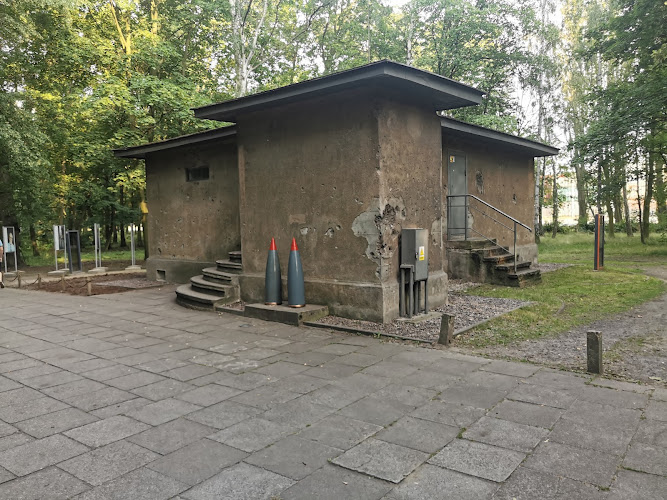
- Original 1939 guardhouse with visible wartime damage
- Exhibits on the Battle of Westerplatte and the garrison’s defenders
- Authentic artifacts and interpretive panels
- Location within the historic Westerplatte battlefield and near the fallen soldiers’ cemetery
- Short walking routes connecting to memorial mound, ruins and outdoor displays (including a tank and barracks remains)
Nearby Attractions
Tours & Activities
GetYourGuide provides this tour inventory. We may earn a commission if you book through it; verify current availability, prices, and terms with the provider.
Visitor Reviews
There are no reviews yet. Be the first one to write one.
Share Your Experience
Have you visited Wartownia 1? Help other travelers by leaving a review.