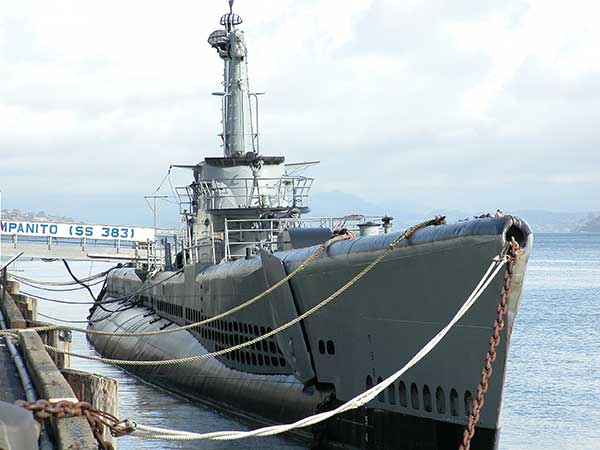
Description
On the surface this is a museum about machinery and missions; underneath it’s a human story about sailors, service and sacrifice. The exhibit spaces trace the submarine’s wartime patrols, operational gear, and the everyday routines of a crew that lived and worked in very tight quarters. Visitors can see the torpedo room, the radio and sonar stations, engine bays and crew berths. Many of the displays use artifacts and original fittings so the authenticity is hard to miss—worn metal, painted stencils, a periscope that still gives a fish-eye view of the bay. For history nerds and casual sightseers alike, it’s one of those experiences that makes you stop and think: how did they fit so many people and so much equipment into such a small vessel?
The museum offers self-guided and audio tour options that help explain the layout and the jargon—things like ballast tanks, battle stations, and war patrols. The audio tour is especially handy for first-time visitors who want the context without having to hunt for staff or a docent. Still, the submarine’s anatomy is compact and a bit of imagination is required to picture the frantic hours of action that once filled those same spaces. And that’s part of the charm; it’s visceral. One moment you’re peering into a torpedo cradle, the next you’re sliding through a narrow passage where a sailor once hauled gear with the sea rocking outside.
Practical realities shape the visit: the vessel is a restored Navy ship and not a modern museum built for universal access. There is no wheelchair-accessible entrance to the submarine itself, so visitors with limited mobility should plan accordingly. Restroom facilities and food service are not available on the boat, which surprises some people who assume every attraction at the Wharf will have them. There is an admission fee to board, and those funds go toward maintenance and preservation—this ship needs constant care to stay seaworthy as a museum. Staff and volunteers, many of whom are passionate about naval history, provide onsite services such as guided remarks and help with orientation. So yes, assistance is available if you ask.
Atmospherically, fog and sun both play nicely with the Pampanito. A foggy morning casts the submarine in a cinematic hush—mysterious, a little eerie—whereas a bright afternoon throws the polished metal and brass into crisp relief against the bay. The location near the water means you get not just the submarine but a panorama of the bay and other historic ships; it’s a kind of maritime cluster experience. Families tend to enjoy it: kids often get a kick out of the torpedo room and the periscope, and there’s a hands-on, exploratory vibe that works well for curious little ones. But do note, the cramped spaces and ladders are not for very young toddlers or those who are prone to claustrophobia.
There’s also a solemn side. As a memorial the Pampanito carries plaques and dedications to those who served and didn’t return. That weighty, reflective element contrasts with the technical fascination and the touristy bustle of the Wharf. This juxtaposition—between family-friendly fascination and quiet remembrance—gives the visit emotional range. For many visitors the highlight isn’t a particular artifact, it’s the moment of connection when a story about a crewman’s daily life or a patrol’s outcome lands and you suddenly understand the risks and routines of submarine duty.
Not everything is perfect; the submarine’s historic condition means some interpretive elements feel vintage too—display labels that could use an update, lighting that keeps the ambience authentic but slightly dim. Some visitors wish for more modern multimedia, while others prefer the straightforward, tactile approach. Either way, the trade-off is usually forgiven when people step through the hatch and feel that strange, immediate sense of being transported back to 1940s naval service.
For planning: expect to spend about 45 minutes to 90 minutes exploring, depending on how deep you dive into the exhibits and audio commentary. Peak tourist times can create lines at the gangway—so arriving early or later in the afternoon usually helps avoid a crowd. And bring layers; the bay breeze gets chilly even on sunny days. The Pampanito rewards slower exploration: sit at a control panel for a few minutes, check the periscope, read the old orders, and imagine the crew passing through on a midnight watch. It’s history that smells faintly of the sea and iron, and for many visitors that tactile authenticity is exactly what makes a stop here worth it.