

Usina del Arte
About Usina del Arte
Standing along the waterfront in Buenos Aires' La Boca neighborhood, Usina del Arte represents one of those architectural transformations that just feels right - like the building was always meant to be something more than its industrial origins suggested. This early 20th-century power plant has been reborn as a sprawling cultural center, and honestly, it's the kind of place that catches you off guard with its ambition and scope.
The building itself tells a fascinating story. Originally constructed as an electrical power station back when Buenos Aires was rapidly modernizing, the structure served its utilitarian purpose for decades before falling into disuse. But instead of demolishing this massive brick monument, city planners saw something special - high ceilings, incredible acoustics from all that open space, and bones strong enough to support a complete reimagining. The renovation maintained much of the industrial character while creating spaces that now house two professional auditoriums and extensive gallery areas.
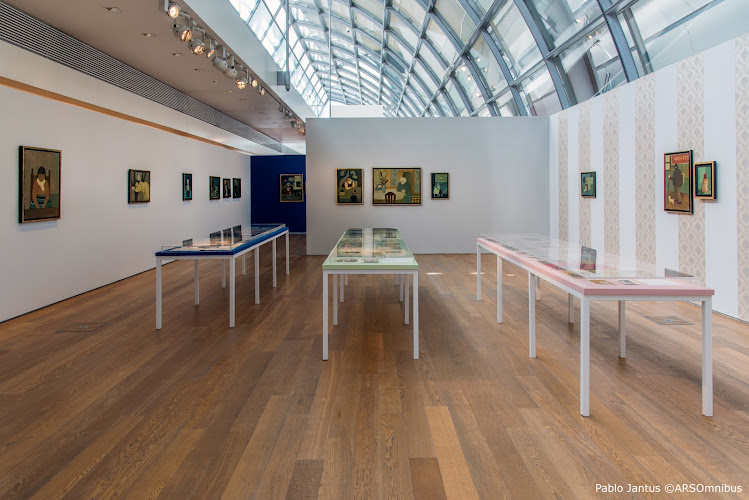
What makes Usina del Arte particularly interesting is how it refuses to be just one thing. It functions as an art center where you'll find rotating exhibitions featuring both established and emerging artists. It's a concert venue where classical performances echo through spaces once filled with machinery noise. And it's also designed as a family-friendly destination with areas specifically created for children's activities and entertainment. This multipurpose approach means you might visit for a photography exhibition and stumble upon a youth orchestra rehearsal, or come for a children's workshop and discover a contemporary art installation that stops you in your tracks.
The transformation wasn't just about preserving history - it was about making culture accessible to neighborhoods that don't always get these kinds of resources. La Boca has long been known for its colorful houses and tourist-friendly Caminito street, but Usina del Arte adds genuine cultural depth to the area. It's become a gathering place for locals rather than just another stop on the sightseeing circuit, though visitors absolutely shouldn't skip it.
Key Features
- Two Major Auditoriums: Professional performance spaces with modern acoustics that regularly host everything from symphony orchestras to contemporary music acts and theatrical performances
- Extensive Gallery Spaces: Multiple exhibition halls showcasing rotating art collections, photography displays, and multimedia installations throughout the year
- Children's Activity Areas: Dedicated spaces designed for young visitors with interactive workshops, educational programs, and entertainment options that make this genuinely family-friendly
- Complete Accessibility Features: Wheelchair accessible throughout including entrances, restrooms, seating areas, and parking, plus assistive hearing loops in auditoriums
- Industrial Architecture: Original power plant features including exposed brick, high ceilings, and structural elements that create a distinctive aesthetic backdrop for contemporary arts
- Free Admission to Galleries: Many exhibitions and public spaces can be explored without ticket purchase, making art accessible regardless of budget
- Waterfront Location: Situated along the Riachuelo river with outdoor spaces that provide views and fresh air between indoor activities
- Modern Amenities: Full facilities including restrooms, climate control, and payment systems accepting credit cards, debit cards, and mobile payments
- LGBTQ+ Welcoming Environment: Explicitly inclusive space that prioritizes safety and welcome for all communities
- Free Parking: On-site parking lot available at no charge, which is practically miraculous for Buenos Aires cultural venues
Best Time to Visit
Timing your visit to Usina del Arte depends more on what's happening inside than weather conditions, though I'd say the cooler months from April through October offer the most comfortable experience since you'll be moving between indoor and outdoor spaces. The building does have climate control, but Buenos Aires summer heat can still make the walk from parking to entrance feel like a bit of a trek.
Weekends tend to draw the biggest crowds, particularly when there's a scheduled performance or special exhibition. If you prefer exploring galleries in relative peace, weekday afternoons between 2pm and 5pm usually see lighter foot traffic. But here's the thing - part of Usina del Arte's charm is the energy of people actually using the space. Empty galleries can feel too quiet in such a massive building.
For families traveling with children, weekend mornings often feature scheduled kids' programming and workshops. These typically run between 10am and 1pm, and booking in advance is definitely recommended since spots fill up quickly. The children's areas remain accessible other times, but the structured activities really maximize what the space offers for younger visitors.
Evening performances deserve special mention because watching the building transition from daylight to illumination creates its own kind of magic. The exterior lighting design highlights the industrial architecture beautifully, and arriving an hour before showtime gives you space to explore before crowds converge. Most concerts and theatrical performances start between 8pm and 9pm, following Buenos Aires' fashionably late cultural schedule.
Argentine school holidays, particularly in July and January, bring increased local attendance. This isn't necessarily bad - the atmosphere becomes more festive - but expect longer lines at restrooms and more competition for prime viewing spots in galleries. If you're visiting specifically for a major touring exhibition, go early in its run when possible. The final weeks before exhibitions close tend to attract procrastinators like myself who suddenly realize time's running out.
How to Get There
Getting to Usina del Arte requires a bit more planning than reaching central Buenos Aires attractions, but the journey is part of understanding La Boca's geography. The neighborhood sits southeast of downtown, bordered by the Riachuelo river that historically divided Buenos Aires from its industrial outskirts.
Taxi or rideshare services offer the most straightforward option, particularly for first-time visitors. The ride from central neighborhoods like Palermo or Recoleta typically takes 25-35 minutes depending on traffic, and you can show drivers the address or simply say "Usina del Arte en La Boca." Cost runs approximately 800-1200 pesos depending on distance and time of day. The advantage here is door-to-door service, which matters when you're not entirely sure about neighborhood orientation.
Public transportation works perfectly well once you understand the system. Bus lines 33, 64, and 152 all stop within walking distance, though you'll need to purchase a SUBE card (the rechargeable transit card used throughout Buenos Aires) beforehand. The subway doesn't reach this far into La Boca, so any route involves at least one bus connection. Google Maps actually does a decent job routing public transit in Buenos Aires now, though schedules can be more aspirational than actual.
Driving yourself is viable thanks to that free parking lot I mentioned, which is genuinely rare for cultural institutions in this city. The lot accommodates a reasonable number of vehicles and includes accessible parking spaces near entrances. Just be aware that La Boca streets can feel confusing if you're unfamiliar with the area, and weekend football matches at La Bombonera stadium (home of Boca Juniors) create significant traffic congestion in the broader neighborhood.
Walking from the more touristy sections of La Boca around Caminito takes about 15-20 minutes along Avenida Pedro de Mendoza. The waterfront path is reasonably maintained, though I'd suggest this option during daylight hours when other pedestrians are around. La Boca's reputation for safety concerns isn't entirely undeserved in quieter areas, so use common sense about when and where you're walking.
Tips for Visiting
Book performance tickets in advance if you're planning to attend a concert or show - this isn't just suggested, it's genuinely necessary for popular events. The box office does hold some tickets for day-of purchase, but you risk disappointment, especially for weekend evening performances. The website shows upcoming programming several months ahead, though only Spanish-language version tends to be fully updated. Don't let that intimidate you; ticket purchasing interfaces accept international credit cards without hassle.
Dress codes here lean casual, even for evening performances. You'll see everything from jeans to cocktail attire depending on who's attending what event. Porteños (Buenos Aires locals) tend to dress up a bit for cultural outings, but as a visitor, clean casual wear is perfectly acceptable. The building maintains comfortable temperatures, so layers work better than committing to heavy jackets or light dresses.
Arrive hungry because food options immediately around Usina del Arte are limited. The building has basic cafe service during events, but for substantial meals, you'll want to eat before arriving or plan to head elsewhere afterward. Some visitors combine their trip with lunch or dinner back in central La Boca near Caminito where restaurant concentration is higher.
Photography policies vary by exhibition and performance. Gallery spaces generally allow photos without flash for personal use, but some temporary exhibitions prohibit photography entirely to protect artists' rights. In auditoriums, phone use during performances gets you glared at by fellow audience members - as it should - so silence devices and resist the urge to document everything. Sometimes just experiencing something without a screen intermediating the moment is actually more memorable.
The children's areas genuinely work for kids if you're traveling as a family. Too many "family-friendly" cultural venues just mean they don't prohibit children rather than actually engaging them. Usina del Arte has clearly thought about how to make contemporary arts accessible to younger audiences without dumbing anything down. Workshop quality varies depending on who's leading activities, but the intentions are solid.
Accessibility accommodations are comprehensive and actually functional. If you or someone in your group requires wheelchair access, assistive listening devices, or other accommodations, the staff knows how to help rather than treating requests like impositions. The elevator system works reliably - I know that sounds like a low bar, but you'd be surprised how many renovated historic buildings treat vertical circulation as an afterthought.
Spanish language dominates in terms of exhibition labels, performance announcements, and staff interactions, though many younger employees speak at least some English. Download a translation app before arriving if your Spanish is limited, particularly for reading exhibition texts. The visual and musical programming transcends language barriers anyway - you don't need to understand Spanish to appreciate a string quartet or contemporary photography.
Plan at least two hours for a meaningful visit, though you could easily spend half a day if multiple things interest you. Rushing through diminishes the experience, and these industrial spaces are designed for contemplation rather than rapid consumption. If you're seeing a performance, add time before or after to explore galleries rather than treating it as a single-purpose trip.
Check the website or social media before visiting because programming changes constantly and occasionally spaces close for installation of new exhibitions. Few things are more frustrating than traveling across the city only to find the specific gallery you wanted to see is temporarily closed. The schedule generally updates weekly with current availabilities.
And finally, remember this place exists for more than just tourist consumption. You're visiting a working cultural center that serves local communities, educational programs, and emerging artists. Respect the space, other visitors, and the fact that not everything is about creating Instagram content. The best moments here happen when you stop performing being a tourist and just let yourself experience something genuine.
You Might Also Like
Amalia Lacroze de Fortabat Art Collection

Argentine Puppet Museum

Benito Quinquela Martín Museum
Tours & Activities
GetYourGuide provides this tour inventory. We may earn a commission if you book through it; verify current availability, prices, and terms with the provider.
Visitor Reviews
There are no reviews yet. Be the first one to write one.
Share Your Experience
Have you visited Usina del Arte? Help other travelers by leaving a review.