
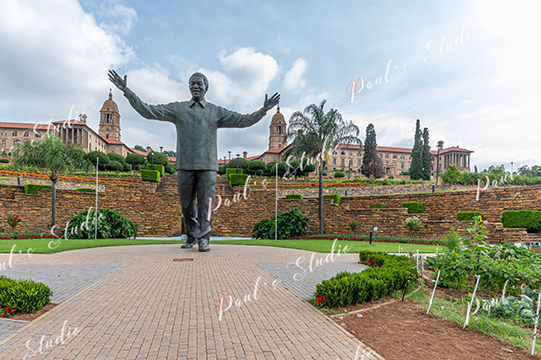
Union Buildings
About Union Buildings
Description
The Union Buildings in Pretoria stand as one of South Africa’s most iconic landmarks—a symbol of governance, unity, and history all rolled into one grand architectural masterpiece. Designed by the British architect Sir Herbert Baker and completed in 1913, the complex has seen everything from political milestones to peaceful protests and joyous public gatherings. It’s not just a government office; it’s a living piece of South African heritage. And honestly, even if you’re not particularly into politics or architecture, there’s something quietly moving about standing there, looking out over the city from those sweeping terraced gardens.
Now, I’ll admit, the first time I visited, I wasn’t expecting to be that impressed. Government buildings can sometimes feel a bit stiff, right? But the Union Buildings are different. The sandstone structure glows golden in the afternoon sun, and the gardens—oh, the gardens—are meticulously kept, with blooming roses and tall jacaranda trees that paint the city purple when in season. It’s the kind of place that makes you pause and take in the moment. You’ll see locals picnicking, tourists snapping photos, and sometimes even newlyweds posing for their wedding pictures. It’s that kind of place—serene yet full of life.
Historically, these buildings have been the backdrop for some of South Africa’s most defining moments. From the inauguration of Nelson Mandela as the country’s first democratically elected president to national celebrations that draw thousands, the Union Buildings have witnessed it all. There’s a palpable sense of pride and reflection here. And while not every visitor walks away equally impressed—some find the experience more about the view than the building itself—most agree that it’s a must-see if you’re anywhere near Pretoria.
Key Features
- Architectural Grandeur: Designed by Sir Herbert Baker, the Union Buildings showcase a blend of Edwardian and Cape Dutch architectural styles, with sweeping colonnades and twin towers that dominate Pretoria’s skyline.
- Extensive Gardens: The terraced gardens are beautifully landscaped, filled with indigenous plants, fountains, and statues—including the famous statue of Nelson Mandela that stands proudly at the forefront.
- Panoramic Views: The elevated position offers one of the best panoramic views of Pretoria, especially around sunset when the city lights begin to flicker on.
- Historical Significance: The site has been the venue for major national events, presidential inaugurations, and public ceremonies that shaped South Africa’s modern identity.
- Accessibility: Wheelchair-accessible entrances, restrooms, and parking make it easy for all visitors to enjoy the grounds comfortably.
- Public Spaces: The lawns and gardens are open to the public, perfect for picnics, casual strolls, or simply sitting under a tree with a good book.
- Art and Monuments: Several statues and memorials are scattered throughout the grounds, each telling a piece of South Africa’s complex history.
Best Time to Visit
If you ask locals, they’ll tell you there’s never really a bad time to visit the Union Buildings, but some moments are just unbeatable. Spring (September to November) is probably the most picturesque season. The jacarandas are in full bloom, painting the city in soft purples, and the gardens are at their lushest. It’s also not too hot yet, so you can comfortably wander around without melting into the pavement.
Summer can get pretty warm, but that’s also when the lawns are vibrant and the atmosphere feels lively. You’ll spot families enjoying picnics, kids running around, and tourists capturing the sweeping views. Winter, on the other hand, brings crisp air and fewer crowds, making it ideal if you prefer a quieter experience. Personally, I love visiting in the late afternoon year-round. The way the sun hits those sandstone walls—it’s like the entire building glows. And if you happen to catch the sunset from the upper terraces, trust me, you’ll remember it long after you’ve left.
How to Get There
Getting to the Union Buildings is pretty straightforward, especially if you’re staying in or near Pretoria. Most visitors arrive by car or taxi, and there’s free parking available both on the street and in designated lots nearby. The drive up Government Avenue is quite scenic, lined with trees and historic homes that give you a glimpse of the city’s colonial past.
If you’re coming from Johannesburg, it’s roughly a 45-minute drive depending on traffic. There are also guided tours that include the Union Buildings as part of a broader Pretoria city tour, which is a great option if you want context and commentary along the way. For those using public transport, local buses and ride-hailing services operate frequently in the area. Just keep in mind that the complex sits on a hill, so if you’re walking from the city center, be prepared for a bit of an uphill climb—it’s worth it, though, for those views.
Tips for Visiting
Visiting the Union Buildings can be as quick or as leisurely as you want it to be, but a little planning goes a long way. Here are a few tips from someone who’s been there more than once (and learned a few things the hard way).
- Go early or late: Mornings and late afternoons are best for photos. The light is softer, and the crowds are usually thinner. Midday sun can be harsh, especially in summer.
- Wear comfortable shoes: The gardens stretch across terraces, and you’ll probably find yourself wandering more than you expect. Flat shoes or sneakers are your best bet.
- Bring water and snacks: There’s no café inside the grounds, so pack a bottle of water and maybe a sandwich if you plan to linger. The lawns make great picnic spots.
- Check the weather: Pretoria can get sudden bursts of rain in summer, so a light jacket or umbrella might save your day.
- Respect the space: Remember, the Union Buildings are still an active seat of government. Some areas are off-limits, and security is tight. Stick to the designated public areas and follow any posted signs.
- Accessibility: The site is wheelchair-friendly, with accessible restrooms and parking. If you’re traveling with someone who requires mobility assistance, you’ll find it easy to get around.
- Photography: You can take photos freely in the gardens, but drones and professional shoots may require permission. The Mandela statue is a favorite spot—expect to wait a bit if you want a clear shot.
- Combine it with other attractions: The Union Buildings pair nicely with a visit to the nearby Voortrekker Monument or Freedom Park if you’re exploring Pretoria’s heritage trail.
One last thing—don’t rush it. It’s tempting to tick the Union Buildings off your list and move on, but take the time to just sit on the steps, look out over the city, and think about what this place represents. It’s more than just a pretty building. It’s a reminder of South Africa’s journey—its struggles, triumphs, and the ongoing story of unity. And that’s what makes it so special.
Whether you’re a history buff, a photographer, or just someone who enjoys beautiful views and open spaces, the Union Buildings have a quiet power that sneaks up on you. It’s one of those places that feels both grand and deeply personal at the same time. And when you walk away, you’ll probably find yourself already planning to come back someday.
Key Features
- Key Features
- Best Time to Visit
- How to Get There
- Tips for Visiting
More Details
Updated October 8, 2025
Description
The Union Buildings in Pretoria stand as one of South Africa’s most iconic landmarks—a symbol of governance, unity, and history all rolled into one grand architectural masterpiece. Designed by the British architect Sir Herbert Baker and completed in 1913, the complex has seen everything from political milestones to peaceful protests and joyous public gatherings. It’s not just a government office; it’s a living piece of South African heritage. And honestly, even if you’re not particularly into politics or architecture, there’s something quietly moving about standing there, looking out over the city from those sweeping terraced gardens.
Now, I’ll admit, the first time I visited, I wasn’t expecting to be that impressed. Government buildings can sometimes feel a bit stiff, right? But the Union Buildings are different. The sandstone structure glows golden in the afternoon sun, and the gardens—oh, the gardens—are meticulously kept, with blooming roses and tall jacaranda trees that paint the city purple when in season. It’s the kind of place that makes you pause and take in the moment. You’ll see locals picnicking, tourists snapping photos, and sometimes even newlyweds posing for their wedding pictures. It’s that kind of place—serene yet full of life.
Historically, these buildings have been the backdrop for some of South Africa’s most defining moments. From the inauguration of Nelson Mandela as the country’s first democratically elected president to national celebrations that draw thousands, the Union Buildings have witnessed it all. There’s a palpable sense of pride and reflection here. And while not every visitor walks away equally impressed—some find the experience more about the view than the building itself—most agree that it’s a must-see if you’re anywhere near Pretoria.
Key Features
- Architectural Grandeur: Designed by Sir Herbert Baker, the Union Buildings showcase a blend of Edwardian and Cape Dutch architectural styles, with sweeping colonnades and twin towers that dominate Pretoria’s skyline.
- Extensive Gardens: The terraced gardens are beautifully landscaped, filled with indigenous plants, fountains, and statues—including the famous statue of Nelson Mandela that stands proudly at the forefront.
- Panoramic Views: The elevated position offers one of the best panoramic views of Pretoria, especially around sunset when the city lights begin to flicker on.
- Historical Significance: The site has been the venue for major national events, presidential inaugurations, and public ceremonies that shaped South Africa’s modern identity.
- Accessibility: Wheelchair-accessible entrances, restrooms, and parking make it easy for all visitors to enjoy the grounds comfortably.
- Public Spaces: The lawns and gardens are open to the public, perfect for picnics, casual strolls, or simply sitting under a tree with a good book.
- Art and Monuments: Several statues and memorials are scattered throughout the grounds, each telling a piece of South Africa’s complex history.
Best Time to Visit
If you ask locals, they’ll tell you there’s never really a bad time to visit the Union Buildings, but some moments are just unbeatable. Spring (September to November) is probably the most picturesque season. The jacarandas are in full bloom, painting the city in soft purples, and the gardens are at their lushest. It’s also not too hot yet, so you can comfortably wander around without melting into the pavement.
Summer can get pretty warm, but that’s also when the lawns are vibrant and the atmosphere feels lively. You’ll spot families enjoying picnics, kids running around, and tourists capturing the sweeping views. Winter, on the other hand, brings crisp air and fewer crowds, making it ideal if you prefer a quieter experience. Personally, I love visiting in the late afternoon year-round. The way the sun hits those sandstone walls—it’s like the entire building glows. And if you happen to catch the sunset from the upper terraces, trust me, you’ll remember it long after you’ve left.
How to Get There
Getting to the Union Buildings is pretty straightforward, especially if you’re staying in or near Pretoria. Most visitors arrive by car or taxi, and there’s free parking available both on the street and in designated lots nearby. The drive up Government Avenue is quite scenic, lined with trees and historic homes that give you a glimpse of the city’s colonial past.
If you’re coming from Johannesburg, it’s roughly a 45-minute drive depending on traffic. There are also guided tours that include the Union Buildings as part of a broader Pretoria city tour, which is a great option if you want context and commentary along the way. For those using public transport, local buses and ride-hailing services operate frequently in the area. Just keep in mind that the complex sits on a hill, so if you’re walking from the city center, be prepared for a bit of an uphill climb—it’s worth it, though, for those views.
Tips for Visiting
Visiting the Union Buildings can be as quick or as leisurely as you want it to be, but a little planning goes a long way. Here are a few tips from someone who’s been there more than once (and learned a few things the hard way).
- Go early or late: Mornings and late afternoons are best for photos. The light is softer, and the crowds are usually thinner. Midday sun can be harsh, especially in summer.
- Wear comfortable shoes: The gardens stretch across terraces, and you’ll probably find yourself wandering more than you expect. Flat shoes or sneakers are your best bet.
- Bring water and snacks: There’s no café inside the grounds, so pack a bottle of water and maybe a sandwich if you plan to linger. The lawns make great picnic spots.
- Check the weather: Pretoria can get sudden bursts of rain in summer, so a light jacket or umbrella might save your day.
- Respect the space: Remember, the Union Buildings are still an active seat of government. Some areas are off-limits, and security is tight. Stick to the designated public areas and follow any posted signs.
- Accessibility: The site is wheelchair-friendly, with accessible restrooms and parking. If you’re traveling with someone who requires mobility assistance, you’ll find it easy to get around.
- Photography: You can take photos freely in the gardens, but drones and professional shoots may require permission. The Mandela statue is a favorite spot—expect to wait a bit if you want a clear shot.
- Combine it with other attractions: The Union Buildings pair nicely with a visit to the nearby Voortrekker Monument or Freedom Park if you’re exploring Pretoria’s heritage trail.
One last thing—don’t rush it. It’s tempting to tick the Union Buildings off your list and move on, but take the time to just sit on the steps, look out over the city, and think about what this place represents. It’s more than just a pretty building. It’s a reminder of South Africa’s journey—its struggles, triumphs, and the ongoing story of unity. And that’s what makes it so special.
Whether you’re a history buff, a photographer, or just someone who enjoys beautiful views and open spaces, the Union Buildings have a quiet power that sneaks up on you. It’s one of those places that feels both grand and deeply personal at the same time. And when you walk away, you’ll probably find yourself already planning to come back someday.
Key Highlights
- Key Features
- Best Time to Visit
- How to Get There
- Tips for Visiting
Location
Places to Stay Near Union Buildings
Find and Book a Tour
Explore More Travel Guides
No reviews found! Be the first to review!
Traveler Reviews for Union Buildings
There are no reviews yet. Be the first one to write one.
Have you visited Union Buildings? Help other travelers by sharing your review.
You Might Also Like

Voortrekker Monument
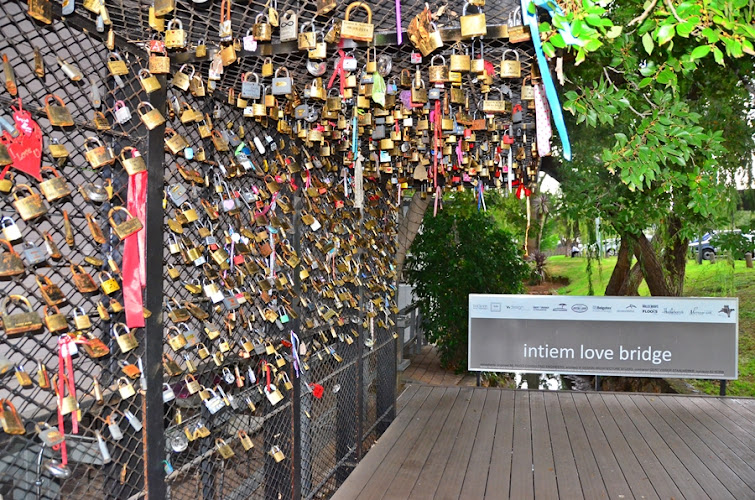
Intiem Love Bridge

Melrose House Museum
Find Accommodations Nearby
Recommended Tours & Activities
Visitor Reviews
There are no reviews yet. Be the first one to write one.
Share Your Experience
Have you visited Union Buildings? Help other travelers by leaving a review.