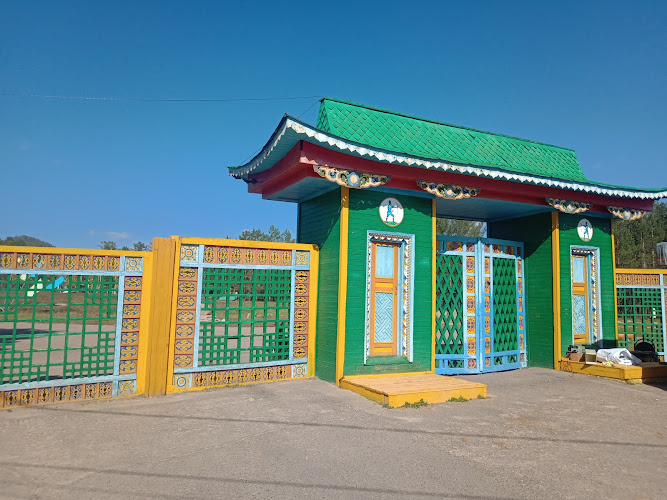
Located in the capital of the Republic of Buryatia, this remarkable institution preserves the architectural heritage and traditional ways of life that have shaped this fascinating region where Asia meets Europe.
Walking through the museum grounds feels less like touring a typical indoor exhibition and more like stepping into a living history book. The collection encompasses over 40 authentic buildings that have been carefully relocated from their original sites across the region and meticulously reconstructed to maintain their historical integrity. These aren’t replicas—they’re the real deal, actual homes, workshops, and religious structures that housed generations of families and communities.
What makes this place truly special is how it captures the essence of multiple cultures coexisting in Siberia. You’ll find traditional Buryat yurts standing alongside Old Believer homes and Evenki dwellings, each telling its own story about survival, adaptation, and cultural identity in one of the world’s most challenging environments. The museum doesn’t just show you buildings; it recreates entire villages complete with household items, tools, and furnishings that people actually used in their daily lives.
I’ve always believed that the best museums are the ones where you can almost hear the echoes of past lives, and this place delivers that experience in spades. The authenticity here is palpable—from the worn wooden floors of century-old cottages to the handwoven textiles displayed inside traditional dwellings. And when live performances bring traditional music and dance to these historic settings, well, that’s when the past really comes alive.
Key Features
The Ulan-Ude Ethnographic Museum offers visitors an extraordinary range of features that distinguish it from conventional museum experiences:
Best Time to Visit
Timing your visit to the Ulan-Ude Ethnographic Museum requires considering both weather conditions and cultural programming, since this outdoor museum experience changes dramatically with the seasons.
Summer months from June through August represent the most popular visiting period, and for good reason. The weather is genuinely pleasant, with temperatures ranging from 15 to 25 degrees Celsius, making it comfortable to spend several hours exploring the expansive grounds. But here’s the thing—summer also brings the most crowds, especially during July when Russian school holidays peak. If you don’t mind sharing the experience with tour groups and families, the summer programming is absolutely worth it. The museum organizes frequent cultural performances, craft demonstrations, and traditional festivals that really bring the historical settings to life.
September often gets overlooked, which I think is a mistake. Early autumn in Ulan-Ude offers crisp weather, beautiful golden foliage surrounding the traditional buildings, and significantly fewer visitors. The lighting during this time is phenomenal for photography, and you’ll have more opportunities to explore at your own pace without navigating around large groups.
Winter visits are an entirely different proposition. From November through March, temperatures plummet well below freezing, sometimes reaching -30 degrees Celsius or colder. Many travelers avoid this period entirely, but those who brave the cold are rewarded with a truly authentic experience of how people actually lived in these dwellings during Siberian winters. The traditional buildings take on a completely different character when covered in snow and frost. However, some outdoor exhibits may have limited access, and you’ll need serious cold-weather gear.
Spring (April-May) can be unpredictable with muddy conditions as snow melts, but it also coincides with several traditional celebrations marking the end of winter. The museum often hosts special events during this transitional period.
For the optimal balance of weather, accessibility, and cultural programming, late May through early June or September represents the sweet spot for most travelers.
How to Get There
Getting to the Ulan-Ude Ethnographic Museum requires some planning, but the journey itself offers insights into this remote region of Russia.
Most international visitors arrive in Ulan-Ude by flying into Baikal International Airport, located about 15 kilometers from the city center. The airport receives regular flights from Moscow, Irkutsk, and several other major Russian cities. From the airport, reaching the museum involves getting to the city center first, then continuing to the museum grounds located in the Verkhnyaya Berezovka area, roughly 8 kilometers northeast of downtown Ulan-Ude.
Taxis and ride-sharing services are probably your most straightforward option. Local taxi drivers generally know the museum well—just say “Etnografichesky Muzey” and they’ll understand. The drive from central Ulan-Ude takes about 20-30 minutes depending on traffic. Negotiate the price beforehand if using an unofficial taxi, as meters aren’t universal here.
Public transportation is available but requires more patience and local knowledge. Bus routes serve the area, though schedules can be irregular and signage is predominantly in Russian. If you’re comfortable navigating local transit systems and want an authentic experience, this option certainly works and costs considerably less than taxis.
Many hotels in Ulan-Ude can arrange transportation to the museum, either through their own services or by coordinating with trusted drivers. This option provides peace of mind, especially for those concerned about language barriers.
For the adventurous traveler, the Trans-Siberian Railway connects Ulan-Ude to Irkutsk (where many tourists visit Lake Baikal) and ultimately to Moscow and Vladivostok. The train journey offers spectacular scenery and represents an iconic Russian travel experience. Once you arrive at Ulan-Ude’s railway station, you’ll still need local transportation to reach the museum.
Driving yourself is possible if you’re renting a car, and the museum provides wheelchair-accessible parking facilities. Roads are generally decent during summer months, though winter driving requires experience with severe conditions.
Tips for Visiting
Making the most of your visit to the Ulan-Ude Ethnographic Museum involves more than just showing up. Here’s what experienced travelers should know before going.
Dress in layers, even during summer. Weather in this region can shift quickly, and you’ll be spending considerable time outdoors walking between buildings. Comfortable walking shoes are absolutely essential—the museum grounds are expansive, and you’ll cover significant distance. In winter, don’t underestimate the cold. Locals aren’t kidding when they talk about Siberian temperatures. You’ll need proper winter boots, thermal layers, and face protection.
Budget at least three to four hours for a thorough visit. Rushing through defeats the purpose of this immersive experience. Some visitors spend an entire day here, especially when combining their tour with lunch at the on-site restaurant. The restaurant serves traditional Buryat dishes like buuzy (steamed dumplings) and pozы that you really shouldn’t miss. And trying these foods in the context of a cultural museum adds another dimension to understanding the region.
Photography is generally permitted, but check about restrictions inside certain religious buildings. Natural light creates beautiful opportunities throughout the day, with morning and late afternoon offering the most dramatic lighting conditions.
Consider hiring a guide if possible. While you can explore independently, knowledgeable guides provide context and stories that bring the exhibits to life. English-speaking guides may need to be arranged in advance, so contact the museum beforehand if language support matters to you.
The museum is genuinely wheelchair accessible with proper entrances, parking, and restrooms, which is remarkable for a historical site of this nature. However, some areas with uneven terrain may present challenges. Check with staff about specific accessibility concerns.
Bring cash for entrance fees, souvenirs, and the restaurant. While payment options may be expanding, cash remains the most reliable method, especially for small purchases.
Time your visit to coincide with cultural performances when possible. The schedule varies seasonally, so check ahead. These performances transform the museum from a static exhibit into a living celebration of Siberian cultures.
Don’t skip the smaller buildings. Everyone photographs the impressive main structures, but some of the most fascinating details hide in modest dwellings and workshops. Take time to examine household items, tools, and decorative elements that reveal how people actually lived.
Finally, manage expectations based on season. Winter visits offer authenticity but limited access to some areas. Summer provides full access but brings crowds. Each season offers its own rewards for travelers willing to embrace the conditions.
 Real Journey Travels