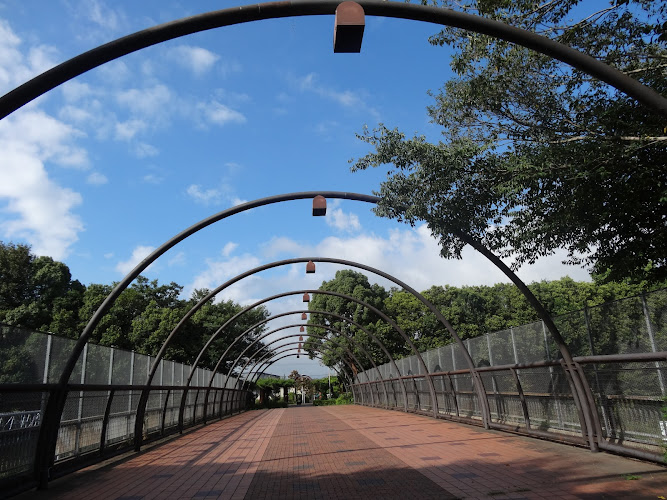
Tsurugashima offers a gentler counterpoint to the high-density rhythm often associated with the Tokyo metropolitan area. Set in Saitama Prefecture, it is a city best approached as a place of everyday texture rather than a checklist of headline sights. Residential neighborhoods, small commercial areas, green spaces, and locally rooted traditions create an atmosphere that feels lived-in and approachable. The pace encourages travelers to look beyond major landmarks and notice the details that shape ordinary life in suburban Japan.
The city’s appeal is closely tied to this balance of convenience and continuity. Modern shopping districts and rail-connected urban life coexist with shrine culture, parkland, seasonal community events, and reminders of the agricultural landscape that once defined much of the area. A visit can be as simple as a slow walk, a pause at a shrine, and a meal or market browse in the neighborhood. Tsurugashima is particularly rewarding for visitors who value local atmosphere, seasonal scenery, and a break from heavily touristed itineraries.
What to See & Experience
Start by treating Tsurugashima as a collection of modest but meaningful stops rather than a single monument destination. Shrine grounds provide a useful introduction to the city’s traditional side: the approach, gate, votive details, and quieter corners invite respectful observation. Public parks add another dimension, especially when seasonal planting, blossoms, or community gatherings bring local residents outdoors. These are places to absorb the city’s rhythm, not rush through between photographs.
- Visit a local shrine precinct for a quiet cultural pause.
- Walk through Shimin Park and look for seasonal color.
- Browse neighborhood shopping streets for everyday city life.
- Seek out seasonal produce and locally made pickles.
- Notice the transition between built-up areas and open land.
- Plan a relaxed route around parks, cafés, and local streets.
Cherry blossom season can give park walks a special energy, while other times of year reveal a more reflective side of the city. Morning market activity, when available, is another way to encounter local food culture without turning the experience into a formal attraction. Look for seasonal vegetables and preserved foods, and remember that markets and community events may vary by day and season. The most satisfying visit leaves room for detours, whether that means a side street, a small garden edge, or a casual lunch among residents.
Practical Visitor Strategy
| Planning Factor | Visitor Advice |
|---|
| Best Time to Go | Spring is especially appealing for blossom scenery; choose fair-weather days for park and neighborhood walks. |
| Suggested Duration | Allow a half day for a focused visit, or longer if combining parks, local streets, and a nearby Saitama stop. |
| Crowd & Pacing Tips | Expect a local, everyday atmosphere; slow down around shrine grounds and avoid treating residential areas as photo sets. |
| Getting Oriented | Use the city’s stations and main commercial areas as reference points, then build a simple walking route around green space and local landmarks. |
| Nearby Pairing | Pair Tsurugashima with another Saitama destination or use it as a quieter contrast within a broader Tokyo-area journey. |
A practical plan should remain flexible. Because Tsurugashima is not organized around one ticketed centerpiece, the quality of the visit depends on timing, weather, and curiosity. Begin with a clear meeting point or station area, identify one cultural stop and one green-space stop, then leave time to follow the city at its own pace. Wear comfortable shoes for neighborhood walking, carry what you need for the day, and check current transport and event information independently before setting out. Visitors should also be mindful that shrine grounds and residential streets are active local spaces, where quiet, considerate behavior matters.
Who Will Enjoy It Most (and Trade-Offs)
Tsurugashima suits independent travelers, repeat visitors to Japan, slow-travel enthusiasts, and families who enjoy parks and low-pressure exploring. It can also work well for people staying in the greater Tokyo area who want a less crowded day away from major sightseeing districts. Travelers interested in everyday urbanism, local food, seasonal change, and the overlap of suburban development with agricultural memory will find more to engage with than those seeking famous architecture or a tightly programmed attraction.
The principal trade-off is that the city’s pleasures are subtle. There may be fewer major sights, fewer English-forward visitor cues, and more reliance on personal navigation than at Japan’s best-known destinations. Terrain for a typical neighborhood route is generally more manageable than a mountain excursion, but walking distances, uneven surfaces, weather, and the availability of seating can still affect comfort; travelers with mobility needs should plan individual routes carefully. Consider pairing a Tsurugashima visit with nearby Saitama urban centers, additional parkland, or a wider Tokyo-area itinerary, while allowing this smaller city to remain the quieter part of the day.
 Real Journey Travels