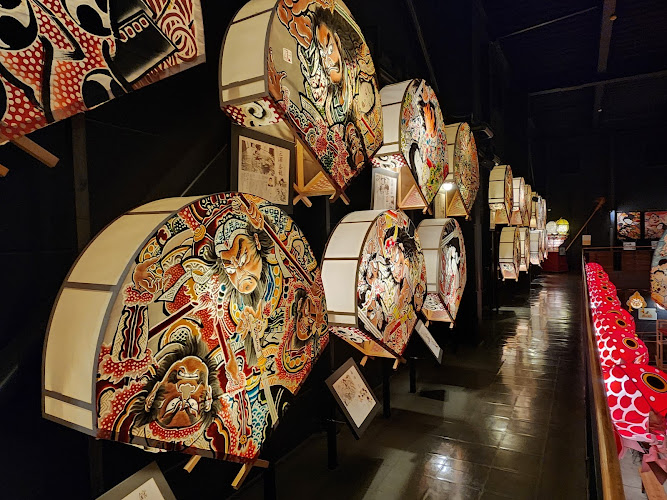
It’s not just a museum or a tourist attraction—it’s more like stepping into the living, breathing spirit of Aomori’s Tsugaru culture. Imagine the hum of shamisen strings echoing through old wooden beams, the scent of lacquer and fresh paint from artisans at work, and the sight of those massive, fan-shaped Neputa floats glowing under soft indoor lights. That’s what greets you here.
Located near Hirosaki Castle, this cultural center celebrates the artistry and energy behind the famous Hirosaki Neputa Festival. Even if you can’t make it during festival season, the village gives you a taste of the celebration year-round. You’ll see towering Neputa lanterns—some up to 10 meters tall—and can even peek inside their frameworks to understand how these incredible creations come to life. It’s fascinating, especially if you’re the kind of traveler who loves seeing how things are made rather than just the finished product.
One of the things I personally love about Tsugaru-han Neputa-mura is how interactive it feels. You don’t just stand around looking at exhibits—you get to beat the taiko drums, try painting a Tsugaru kite, or even attempt a few shamisen notes (though I’ll admit, my attempt sounded more like a cat walking on a guitar). And the people here? They’re genuinely warm. The local artisans are always happy to chat, even if your Japanese is limited. It’s that kind of place that makes you feel like you’re part of the story rather than a spectator.
Of course, not everything is perfect. The facility isn’t huge, and if you’re expecting a massive theme park experience, you might be a bit underwhelmed. But that’s also part of its charm—it’s intimate, authentic, and refreshingly unpolished in the best way. You can wander through in an hour or two, but most visitors end up lingering longer, drawn in by the rhythm of the shamisen or the shimmer of lacquerware being polished by hand.
Key Features
What’s nice is that the experience feels balanced—it appeals to both culture buffs and casual travelers. You can go deep into the history of the Tsugaru clan or just enjoy the music and colors. And if you’re into photography, the lighting here is perfect for capturing those glowing Neputa faces up close. Just be respectful when snapping photos during performances; the musicians deserve that quiet focus.
Best Time to Visit
Honestly, Tsugaru-han Neputa-mura is open year-round, and each season gives it a slightly different vibe. If you visit in summer, especially late July through early August, you’ll catch the energy of the actual Hirosaki Neputa Festival nearby. The whole city feels electric then, and the village becomes a great place to understand the deeper meaning behind the celebration.
In autumn, the surrounding Hirosaki area turns into a canvas of red and gold leaves. It’s breathtaking, and the crisp air makes the indoor exhibits even cozier. Winter visits have their own magic too—there’s something peaceful about watching snow fall outside while you listen to shamisen music inside the warm wooden halls. Spring, of course, brings cherry blossoms, and since Hirosaki Castle Park is just a short walk away, you can easily combine both experiences in one day.
If you’re into photography or quiet exploration, weekdays in the off-season (like early winter or late autumn) are ideal. Fewer crowds, more space to breathe, and you might even get a private shamisen performance if you’re lucky. I once visited on a rainy Tuesday in November, and it felt like I had the whole place to myself. The sound of rain on the roof mixed with the shamisen—it was pure magic.
How to Get There
Getting to Tsugaru-han Neputa-mura is pretty straightforward. If you’re coming from Tokyo, hop on the Shinkansen to Shin-Aomori Station, then transfer to the JR Ou Line toward Hirosaki. The ride takes about 40 minutes, and from Hirosaki Station, it’s just a short taxi ride or a pleasant 20-minute walk to the village. You can also take a local bus that stops nearby, which is handy if you’re exploring other parts of the city the same day.
If you’re driving, there’s parking available, and the roads are well-maintained even in winter. Just keep in mind that snow can be heavy in Aomori, so plan accordingly. And honestly, part of the fun of traveling here is the journey itself. The train ride through northern Japan’s countryside—especially in winter—is cinematic. You’ll pass snow-dusted apple orchards and sleepy little towns that look straight out of a painting.
For those staying near Hirosaki Castle or the city center, walking is a great option. The area is compact, and strolling through the narrow streets gives you a sense of the local rhythm. You’ll pass by small shops selling apple sweets (Aomori is famous for its apples, after all) and maybe even catch a glimpse of locals practicing for the next festival.
Tips for Visiting
Here’s the thing about Tsugaru-han Neputa-mura—it’s not a place you rush through. Give yourself at least a couple of hours to really soak it in. Start with the Neputa exhibits, then wander into the craft workshops. Don’t skip the shamisen performance; it’s one of those experiences that stays with you long after you’ve left. If you can, sit near the front—the sound is richer there.
Bring cash just in case, even though they do accept cards. Some of the smaller craft stalls prefer cash payments, especially for handmade souvenirs. And speaking of souvenirs, the local lacquerware and hand-painted kites make for meaningful gifts. They’re not cheap, but you’re supporting real artisans, not mass production.
Photography is generally allowed, but always ask before taking pictures of people at work. The artisans appreciate the courtesy, and it’s a small gesture that goes a long way. Also, if you’re visiting with kids, keep an eye on them near the exhibits—some of the artwork is delicate and irreplaceable.
One more thing: try to visit during a performance rather than between shows. The energy of live music transforms the whole space. You’ll feel it in your chest when the drums start—it’s primal, powerful, and oddly moving. Even if you don’t understand the lyrics or the history, you’ll get it. The emotion transcends language.
And don’t worry if you’re traveling solo. This is one of those places where it’s perfectly fine to wander alone. You’ll end up chatting with locals or other travelers anyway—it’s that kind of friendly environment. I once met an elderly craftsman there who told me he’d been painting Neputa floats for over 50 years. His hands moved so gracefully, it was like watching a dance. That conversation alone made the trip worth it.
In short, Tsugaru-han Neputa-mura Village is more than just a stop on your Aomori itinerary—it’s a window into the soul of Tsugaru. It’s about sound, color, craftsmanship, and community. Whether you stay for an hour or an afternoon, you’ll leave with a deeper appreciation for the artistry and heart that define this corner of Japan. And maybe, just maybe, you’ll find yourself humming a shamisen tune on your way home.
 Real Journey Travels