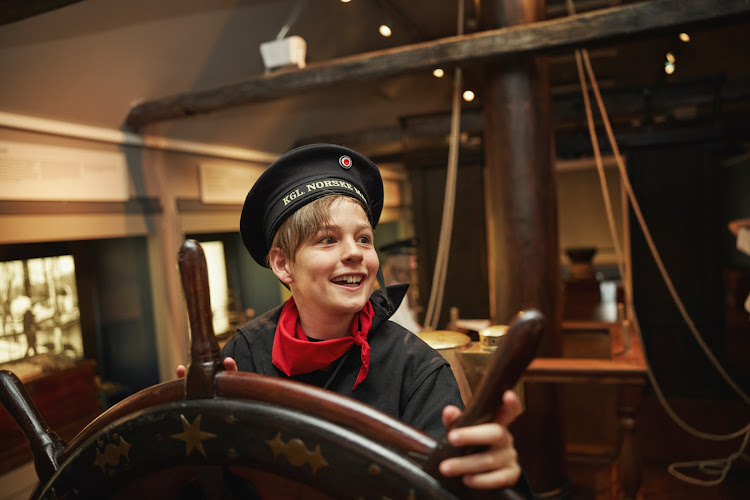
It is designed for travelers who like to learn by seeing and touching — visitors step into a collection of carefully made model boats, black-and-white photographs, and personal memorabilia that together sketch out the rhythms of a port city. The museum has an intimate scale: it does not overwhelm with size, but it pays attention to detail. That focus is its strength. People who enjoy maritime history, family outings, or leisurely museum stops will find it a pleasant, informative hour or two.
The tone inside is informal and quietly proud. Exhibits are arranged to emphasize stories rather than exhaustive lists. A row of scale models shows a century of design change in hull shapes and rigging; nearby, framed photos of sailors, docks, and loading cranes give faces to the craft. Memorabilia — from navigational tools to faded travel logs — anchors the story in human experience. There’s a small play area for kids, which is something the museum is known for locally. Parents will appreciate that children can be curious without disrupting the displays, and children often end up learning through play. The place feels lived-in, as if the collections belonged to the neighborhood rather than a distant institution.
Accessibility is clearly considered. The entrance is wheelchair accessible, parking for visitors with mobility needs is provided, and restroom facilities include accessible features. That makes the museum a realistic option for multigenerational groups or travelers who need step-free access. However, visitors should not expect a full-service cafe on site; there is no restaurant inside, so planning for snacks or a meal before or after the visit is a good idea. Restrooms are available, which is worth a small cheer because not every modest museum gets that right.
One thing that surprises many first-time visitors is how much storytelling is packed into the small footprint. Instead of a single narrative that tries to cover everything, the museum offers vignettes. A display might take a close look at a local shipbuilder and then, in the next case, present personal effects from a seafaring family. These human details create empathy: visitors don’t just see a boat, they see the life around it — the weathered jacket hung on the hook, the child’s drawing pinned to a bulkhead, the brass compass that someone insisted on keeping even after long voyages. The effect is charming and, occasionally, unexpectedly moving.
Travelers who are interested in design will linger over the model boats. They are not merely decorative; the craftsmanship on show reflects an era when shipbuilding combined technological know-how with practical improvisation. Some models display intricate rigging so delicate it seems impossible they were made by hand. Others illustrate how Norwegian coastal vessels adapted to fjord conditions and cold-water sailing. These models serve both as museum objects and teaching tools. For those who like to take photos, the models make for excellent close-up shots, while the historical photos lend themselves to wide compositions that capture a sense of place and time.
Families will find the children’s corner a thoughtful addition, not a gimmick. A small sailor play area, activity sheets, and hands-on elements allow kids to explore while adults read captions or chat with friendly staff. The museum’s scale makes it less intimidating for families; it’s easy to keep track of small children without feeling rushed. The staff tend to be approachable and conversational — they answer practical questions and will gladly point out interesting bits that might be overlooked. The atmosphere encourages questions, and that makes a visit feel like a conversation rather than a passive viewing.
The museum’s educational approach works well for short stays. It is ideal as a stop on a half-day itinerary in Trondheim. Travelers who want a deeper dive into maritime engineering or naval history should pair the visit with a longer museum or a guided tour elsewhere, but for a crisp, well-curated taste of local seafaring culture, it fits perfectly. And yes, the place is small enough that it feels relaxed rather than exhausting. One can wander slowly, take a break on a bench, and then return to a favorite case without feeling like time is being wasted.
Practical storytelling is threaded through the displays. For instance, navigation methods are explained not just with instruments but with context: why certain techniques mattered in the North Atlantic, the challenges posed by fog and ice, and how crews adapted. That contextualization helps travelers who are not history buffs appreciate why a compass, sextant, or logbook mattered. The museum also does a neat job of connecting local maritime life to broader historical shifts — such as changes in trade routes or shipbuilding technology — without turning the narrative into a dry lecture.
There are subtle touches that hint at local pride. A few exhibits spotlight individual Trondheim shipbuilders and captains, and their biographies help anchor the collection in the city. Visitors often leave with a sense of the community behind the artifacts: neighbors, generations, and industries woven together by the sea. This human-centered curating makes the museum memorable. People who are sensitive to atmosphere — you know who you are — will appreciate the way light and layout create small moments of intimacy, like a reading nook beside a display or a window that frames a harbor scene outside.
For travelers thinking about time and value: a relaxed visit typically takes 45–90 minutes depending on how much one reads and how interactive the kids get. The museum offers a compact but satisfying experience, so pairing it with a nearby walk along the harbor or a visit to another cultural stop in the city makes for an efficient day. The absence of an on-site restaurant keeps the logistics simple — pack a sandwich or plan a nearby cafe stop instead — and the restroom availability prevents that awkward scramble at the end of the visit.
The museum’s reception to feedback seems honest and straightforward. Some visitors expect a blockbuster institution and are occasionally underwhelmed; others celebrate the genuine local character and the curated attention to story. That range of responses is normal for smaller museums, and travelers who appreciate authenticity over scale will likely come away pleased. The staff handle practical concerns well, especially accessibility queries, so travelers with specific needs can feel relatively confident about visiting.
Beyond exhibits, the museum periodically hosts small events and educational programs aimed at children and local groups. These are usually modest — workshops, storytelling sessions, or themed days tied to maritime traditions. They add life to the place and give repeat visitors a reason to return. It’s the sort of museum that benefits from a second look; details missed the first time often reveal themselves on a subsequent visit.
As for souvenirs, the museum does not shout souvenir shop; but small, well-chosen items tied to Trondheim’s maritime history are sometimes available. Travelers who prefer minimalism will like that the offering tends toward quality over clutter. And for notebook enthusiasts, the museum provides a quiet environment to jot down observations or sketch a model hull design — yes, the writer admits to doodling a ship or two while visiting.
Finally, the Trondheim Maritime Museum is a place for slow curiosity. It rewards visitors who linger, who read labels, who ask the staff a question or two. It also respects those who want a swift, informative stop. Either way, travelers leave with a clearer picture of how the sea shaped the city’s past and continues to echo in its present. For anyone planning a visit to Trondheim Norway with an interest in maritime culture, coastal life, or family-friendly museums, this museum is a small but memorable piece of the city’s larger story.
 Real Journey Travels