Description
Trencherfield Mill stands as one of Wigan’s most compelling industrial heritage sites, offering visitors a rare glimpse into Britain’s textile manufacturing past. Built initially in 1822-23 by William Woods, this Grade II listed building represents more than just another old mill – it’s a testament to the ingenuity and ambition that powered the Industrial Revolution.
What makes Trencherfield Mill particularly fascinating is its connection to Wigan Pier, that famous wharf on the Leeds and Liverpool Canal that George Orwell immortalized in literature. The mill sits right beside this historic waterway, and you can almost imagine the bustling activity of boats loading and unloading goods while mill workers hurried to their shifts.
The site actually comprises multiple mill buildings constructed over different periods. The original mill housed the first power looms in Wigan – imagine being among the first people in town to witness this revolutionary technology! By 1847, a second mill had been added to meet growing demand, and a third mill followed in 1907. This expansion tells the story of Wigan’s growing importance in textile manufacturing.
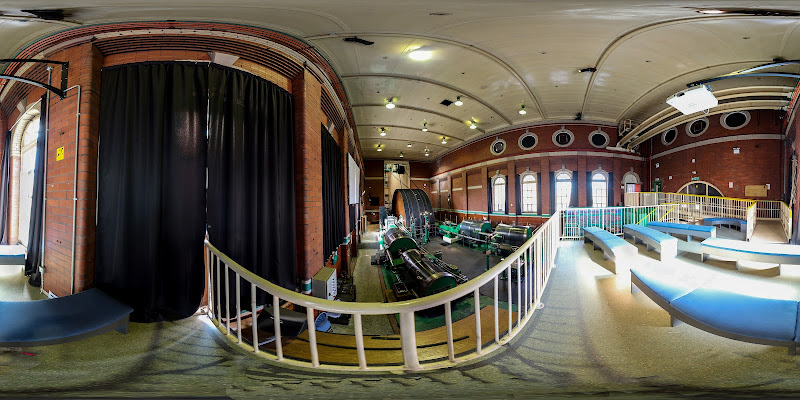
But here’s what really sets Trencherfield Mill apart from other industrial heritage sites: it houses one of the largest and finest working steam engines of its type. This isn’t just a static display – when operational, this massive piece of Victorian engineering demonstrates the sheer power that drove entire mill operations. The rhythmic churning and mechanical precision of this steam engine creates an almost hypnotic experience that connects visitors directly to the industrial age.
Key Features
Travelers will discover several distinctive elements that make Trencherfield Mill worth the journey:
- Historic Steam Engine: The crown jewel of the mill complex, this working steam engine represents one of Britain’s finest preserved examples of industrial machinery
- Multi-Period Architecture: Three separate mill buildings showcase different eras of industrial construction, from the 1820s through the early 1900s
- Canal-Side Location: Direct proximity to Wigan Pier and the Leeds and Liverpool Canal offers additional historical context and scenic walking opportunities
- Industrial Archaeology: Original power loom installations and manufacturing equipment provide insight into textile production methods
- Grade II Listed Status: Official heritage protection ensures authentic preservation of architectural and mechanical features
- Educational Demonstrations: When operational, the steam engine provides live demonstrations of Victorian-era industrial power
The mill’s position roughly half a kilometer southwest of Wigan town center makes it easily accessible while maintaining its historic industrial setting. And honestly, there’s something quite moving about standing in spaces where generations of mill workers spent their days – the human stories embedded in these brick walls are just as compelling as the mechanical innovations.
Best Time to Visit
Planning your visit to Trencherfield Mill requires some strategic thinking, particularly since the site is currently undergoing review for future public access options. The local authority has indicated that updates regarding visiting arrangements will be provided throughout 2024, so checking current status before traveling is essential.
Generally speaking, late spring through early autumn offers the most comfortable conditions for exploring industrial heritage sites like Trencherfield Mill. The weather during these months makes canal-side walking more pleasant, and longer daylight hours allow for better photography of the architectural details.
Steam engine demonstrations, when available, typically occur during scheduled heritage events or special open days. These occasions provide the most immersive experience, as visitors can witness the mill’s mechanical systems in action rather than simply viewing static displays. The sound and vibration of a working steam engine creates an entirely different atmosphere compared to quiet inspection of dormant machinery.
Weekdays often provide quieter visiting conditions for those seeking a more contemplative experience. There’s something profound about having these industrial spaces mostly to yourself – you can better imagine the constant noise and activity that once filled these buildings.
Winter visits shouldn’t be dismissed entirely, though. The stark industrial architecture can be particularly striking against grey skies, and the contrast between the warm, enclosed mill spaces and the cold canal environment outside adds to the historical authenticity.
How to Get There
Reaching Trencherfield Mill involves navigating to Wigan, which sits approximately 15 miles south of Preston and 16.5 miles west-northwest of Manchester. The mill’s location on Pottery Road places it within walking distance of Wigan’s town center and main transportation hubs.
Rail travelers will find Wigan North Western and Wigan Wallgate stations both provide reasonable access to the mill area. From either station, the walk to Trencherfield Mill takes roughly 10-15 minutes and passes through parts of Wigan’s town center. The route to the mill also takes you past other industrial heritage sites, making the journey itself part of the historical experience.
For those driving, Wigan’s position on the M6 and proximity to other major motorways makes it accessible from across northwest England. Parking near the mill area can be found, though spaces may be limited during busy periods or special events.
The Leeds and Liverpool Canal towpath provides an alternative approach for more adventurous visitors. Walking along the canal from various points offers historical context and scenic views, though this obviously requires more time and appropriate footwear.
Public buses serve the Wigan area extensively, connecting the town to surrounding communities and major cities. Local bus routes can drop visitors near the mill area, though walking from bus stops is typically required.
Tips for Visiting
Before setting out for Trencherfield Mill, confirming current access arrangements is absolutely crucial. The site’s heritage significance means that public access can vary depending on ongoing conservation work, safety requirements, and operational schedules.
Photography enthusiasts should bring equipment suitable for indoor industrial spaces. The mill’s interior lighting can be challenging, and a tripod might be useful for capturing detailed shots of the steam engine and mechanical components. But remember that some areas may have photography restrictions due to conservation concerns.
Comfortable, closed-toe shoes are essential – industrial heritage sites can have uneven surfaces, metal components, and areas where sturdy footwear provides both safety and comfort. The mill environment isn’t suited to sandals or delicate footwear.
Weather can significantly impact the canal-side portions of your visit. Bringing appropriate outerwear ensures you can fully explore the external areas and appreciate the mill’s relationship to the waterway transport system that supported its operations.
Consider combining your mill visit with exploration of other Wigan industrial heritage sites and the broader canal network. The area’s industrial history is interconnected, and understanding these relationships enhances appreciation of each individual site.
If steam engine demonstrations are scheduled during your visit, arriving early ensures better viewing positions. These events can draw considerable interest from industrial heritage enthusiasts, and prime spots for witnessing the machinery in operation fill up quickly.
Finally, allow sufficient time for your visit – rushing through industrial heritage sites means missing the subtle details and atmospheric qualities that make them special. The stories embedded in places like Trencherfield Mill unfold gradually, rewarding visitors who take time to observe and reflect.