Description
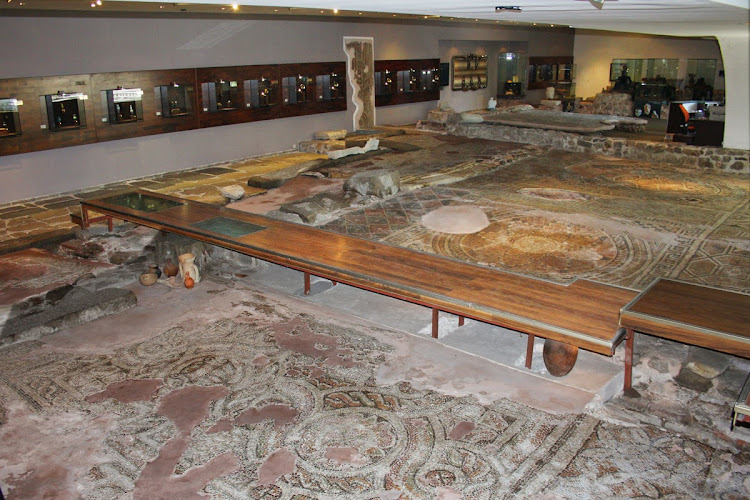
What stands out immediately is the focus on visual storytelling. Mosaic art plays a big role here, and not in the postcard way you might expect. These mosaics feel personal, sometimes messy, sometimes deeply moving. I remember standing in front of one piece longer than I meant to, trying to figure out if it was unfinished or just brutally honest. Turns out, that’s the point. Trakart doesn’t polish culture into something sterile. It lets it breathe, cracks and all.
The center also serves as a stage for live performances, and this is where things can get unpredictable in a good way. One evening might feature experimental theater, another a local music ensemble still figuring out their sound. Not everything will be to your taste, and that’s okay. Travel isn’t always about being impressed. Sometimes it’s about being surprised, or even a little confused. And yes, I’ve left a show here scratching my head, then thinking about it again days later while waiting in line for coffee.
Accessibility is clearly taken seriously. The entrance accommodates wheelchair users comfortably, and the interior layout doesn’t feel like an afterthought. There are restrooms on-site, which sounds basic, but you’d be shocked how many cultural attractions forget that detail. Trakart feels designed for real people, not just art critics or academics.
There’s also an educational undercurrent running through the place. Informational panels, artist notes, and occasional workshops give context without overwhelming you. You don’t need a background in art or culture to enjoy what’s here. If you’re curious, that’s enough. And if you’re tired? There are spots to sit, rest your feet, and just watch others interact with the exhibits. That, in itself, can be entertaining.
Best Time to Visit
The best time to visit the Trakart Cultural Center depends on what you’re after. If you like quieter spaces where you can really absorb the exhibits, weekday mornings or early afternoons are ideal. That’s when the rooms feel almost meditative, and you can move at your own pace without dodging crowds. I’ve had some of my best visits during these slower hours, notebook in hand, pretending I was going to write something profound. Spoiler: I mostly doodled.
Evenings, especially toward the end of the week, bring a different energy. Performances tend to be scheduled then, and the place fills with a mix of locals and travelers. There’s a low hum of anticipation, the kind that makes you feel like you’re in on something. If you enjoy that buzz, aim for a night visit. Just be prepared that it might get busy, and not every performance will resonate with you. That’s part of the gamble.
Seasonally, the center doesn’t shut down or lose relevance, which is a big plus for travelers planning around weather or off-peak seasons. Indoor exhibits mean rainy days or colder months are actually great times to visit. And during warmer periods, the programming sometimes leans more interactive, which can be fun if you’re traveling with friends or older kids.
One small tip from personal experience: check the schedule when you arrive. Sometimes an exhibit is about to change over, and you might catch artists installing new work. Watching that process can be oddly fascinating, like seeing behind the scenes of a play before the curtain goes up.
How to Get There
Getting to the Trakart Cultural Center is generally straightforward, even if you’re not familiar with the area. Public transportation options typically stop within a reasonable walking distance, making it accessible for travelers who prefer not to drive. If you’re using a rideshare service, drivers usually recognize the name, which is always a relief when you’re in an unfamiliar city.
For those traveling by car, parking is usually available nearby, though it may require a short walk. My advice? Give yourself extra time. Not because it’s hard to find, but because you don’t want to arrive flustered. This is not a place that rewards rushing. I once showed up late for a performance, out of breath and annoyed, and it took me a good ten minutes to settle into the experience. Lesson learned.
If you enjoy walking, the surrounding area is often worth exploring on foot before or after your visit. Cultural centers tend to attract interesting neighbors, small cafés, bookstores, random street art. And yes, sometimes you’ll find a better memory outside the building than inside. Travel works that way.
Tips for Visiting
First, go in with an open mind. This sounds obvious, but it matters here. Trakart isn’t about spoon-feeding meaning. Some exhibits will click instantly, others won’t. Let that be okay. You don’t have to like everything to appreciate the effort behind it.
Second, pace yourself. The center isn’t huge, but it’s dense. There’s a lot to take in, visually and emotionally. Take breaks. Sit down. Revisit a piece if it pulls you back. I’ve found that my second look is often more rewarding than the first.
Third, talk to people. Staff members, artists, even fellow visitors. Some of the most interesting insights I’ve gained came from casual conversations, not official descriptions. Once, a stranger explained how a mosaic reminded them of their childhood kitchen floor, and suddenly the artwork shifted for me. That’s magic you can’t plan.
Fourth, if there’s a performance scheduled and you’re on the fence, just go. Tickets or entry fees are usually reasonable, and the experience of live art while traveling is hard to replicate later. Worst case, you leave with a story. Best case, you leave inspired.
Lastly, don’t over-document. Take photos if allowed, sure. But also give yourself permission to just be there. Some moments aren’t meant for your camera roll. They’re meant for that quiet space in your head you revisit long after the trip ends.
The Trakart Cultural Center isn’t perfect, and it doesn’t try to be. That’s why it works. For travelers who value depth over spectacle, and authenticity over gloss, it offers a meaningful pause in the middle of a busy itinerary. And honestly, those pauses are often what you remember most.