
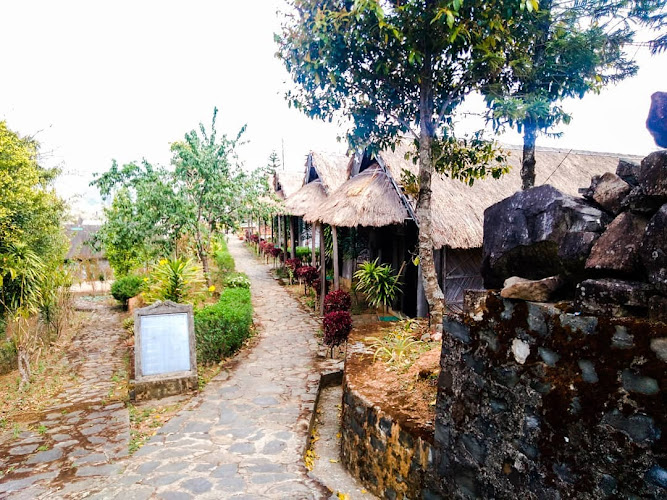
Tourist Village Tuophema(Ancient Heritage Village) – Kohima District, Nagaland, India
About Tourist Village Tuophema(Ancient Heritage Village) – Kohima District, Nagaland, India
Description
Tuophema Tourist Village, often called the Ancient Heritage Village, is a unique slice of life tucked away in the Kohima District of Nagaland. It’s not your typical tourist trap with flashy signs and crowded souvenir stalls. Instead, it offers a genuine window into the traditional Angami Naga lifestyle, where time seems to slow down and the hustle of modern life fades into the background. Walking through the village, you’ll find yourself surrounded by authentic Naga-style huts, each carefully crafted to represent the distinct clans or khels of the community. It’s like stepping into a living museum, but one that’s alive and breathing with stories, customs, and daily rhythms.
The village sits comfortably on a gentle hillock, offering peaceful views of the lush valleys and terraced fields that roll out like a patchwork quilt. It’s a place where you can really soak in the natural beauty, breathe fresh mountain air, and get a sense of how communities thrived here for centuries. The atmosphere is calm, almost meditative, and it’s perfect for travelers who want more than just sights—they want an experience that sticks with them.
One of the coolest things about Tuophema is how it’s set up for visitors to stay overnight in cottages that mimic traditional huts. This isn’t just a place to snap a few photos and dash off. Spending a night here gives you a chance to hear local stories, witness cultural performances, and even get involved in some village activities. It’s a rare chance to connect with the Naga social system, governance, and cultural heritage in a way that feels personal and respectful.
Families with kids will find this place surprisingly kid-friendly. The open spaces and interactive cultural displays keep children engaged without overwhelming them. And honestly, it’s refreshing to see a tourist spot that balances education and entertainment so well. While some visitors might expect a glitzy theme park vibe, Tuophema’s charm lies in its authenticity and the warmth of its people. It’s a bit like visiting an old friend’s home—welcoming, unpretentious, and full of stories worth hearing.
Key Features
- Authentic traditional Angami Naga huts representing the 12 different khels of the village
- Opportunity to stay overnight in cottages designed like traditional homes
- Scenic hillock location with panoramic views of terraced fields and valleys
- Interactive cultural experiences including traditional performances and village governance insights
- Peaceful and serene atmosphere, ideal for relaxation and cultural immersion
- Family-friendly environment with activities suitable for children
- On-site museum showcasing the rich history, myths, and customs of the Naga people
- Easy access from Kohima, making it a convenient day trip or overnight stay
Best Time to Visit
If you ask me, the best time to visit Tuophema is during the cooler months from October to March. The weather is just right—not too hot, not too chilly—and the skies are usually clear, which means those views will knock your socks off. Plus, this period avoids the heavy monsoon rains that can make travel tricky and the trails slippery. If you happen to be around in early December, you might even catch some cultural festivities that showcase traditional dances and crafts, adding an extra layer of magic to your visit.
Springtime is also lovely, with the fields turning a fresh green and flowers blooming, but be prepared for a bit of unpredictable weather. Summers can be warm and humid, which might sap your energy if you’re planning to explore extensively. So, unless you’re a fan of sweating buckets, best to skip the peak summer months.
How to Get There
Getting to Tuophema Tourist Village is pretty straightforward, especially if you’re starting from Kohima, the district headquarters. It’s about a 40-kilometer drive, which usually takes around an hour depending on the road conditions and traffic. The route winds through some scenic countryside, so keep your camera handy—you’ll want to capture those rolling hills and quaint villages along the way.
If you’re coming from Dimapur, Nagaland’s main gateway by air and rail, it’s roughly 100 kilometers. You can hire a taxi or take a shared vehicle, but keep in mind that public transport options might be limited and less frequent, so planning ahead is key. Once you arrive, the village is compact and walkable, so no worries about getting around on foot.
For the adventurous souls out there, renting a bike or scooter can add a bit of thrill to the journey, letting you stop and explore little nooks and crannies en route. Just be cautious on the hilly roads if you’re not used to mountain riding!
Tips for Visiting
Alright, here’s where I get a bit personal. Having been to Tuophema myself (and yes, I did stay overnight in one of those cottages—it’s an experience!), I’ve picked up a few tips that might save you some headaches and help you enjoy the place to the fullest.
- Go with an open mind: This isn’t a luxury resort or a theme park. The charm is in its simplicity and authenticity. Embrace the slower pace and the chance to learn about a culture that’s very different from what you might be used to.
- Pack light but smart: Bring comfortable walking shoes, a light rain jacket (Nagaland weather can surprise you), and some insect repellent. Nights can get a bit chilly, so a warm layer is a good idea.
- Engage with the locals: The villagers are friendly and proud of their heritage. Don’t hesitate to ask questions or join in cultural activities. It’s a great way to deepen your experience.
- Respect traditions: Photography is generally fine, but always ask before snapping pictures of people, especially during ceremonies or private moments.
- Try the local food: If you get the chance, sample traditional Naga cuisine. It’s hearty, flavorful, and a big part of the cultural experience.
- Plan your trip around daylight: The village is best explored during the day when you can fully appreciate the architecture and landscape. Nighttime is peaceful but limited in activities.
- Bring cash: ATMs are scarce in rural Nagaland, so carry enough cash for your stay and any purchases.
- Be patient with infrastructure: Roads and facilities might not be up to big-city standards. But hey, that’s part of the charm and adventure!
Visiting Tuophema Tourist Village is like opening a time capsule that’s still very much alive. It’s not perfect, but it’s real, and that’s what makes it special. If you want to step off the beaten path and dive into a cultural experience that’s rich, respectful, and refreshingly genuine, this place should definitely be on your radar.
Key Features
- Authentic traditional Angami Naga huts representing the 12 different khels of the village
- Opportunity to stay overnight in cottages designed like traditional homes
- Scenic hillock location with panoramic views of terraced fields and valleys
- Interactive cultural experiences including traditional performances and village governance insights
- Peaceful and serene atmosphere, ideal for relaxation and cultural immersion
- Family-friendly environment with activities suitable for children
- On-site museum showcasing the rich history, myths, and customs of the Naga people
- Easy access from Kohima, making it a convenient day trip or overnight stay
Tours & Activities
GetYourGuide provides this tour inventory. We may earn a commission if you book through it; verify current availability, prices, and terms with the provider.
Visitor Reviews
There are no reviews yet. Be the first one to write one.
Share Your Experience
Have you visited Tourist Village Tuophema(Ancient Heritage Village) – Kohima District, Nagaland, India? Help other travelers by leaving a review.