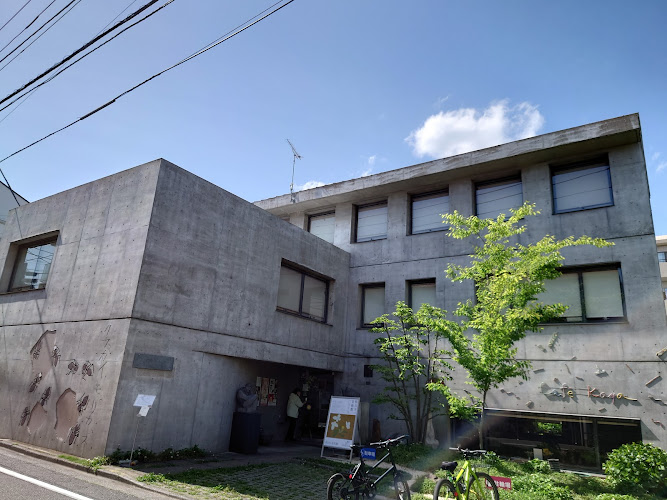
It’s not a grand, echoing museum with high ceilings and endless corridors—thankfully. Instead, it feels almost like stepping into someone’s home, which, in a way, it is. The museum stands on the site of Kumagai’s former residence, where he lived and painted for over four decades. There’s a calm, almost meditative air about it, the kind that makes you slow down, breathe a little deeper, and really look at the art in front of you.
Morikazu Kumagai, often called “Mori-san” by those who admired him, had a unique way of seeing the world. His paintings—simple, colorful, and full of quiet humor—capture the beauty of small, everyday moments. A cat napping in the sun. A beetle crawling across a leaf. The way light filters through the trees. It’s art that makes you smile, not because it’s flashy, but because it feels honest. And that honesty, that simplicity, is what makes this museum so special.
Inside, the atmosphere is peaceful. The first floor displays Kumagai’s oil paintings, along with some of his personal belongings—his easel, his cello, even his glasses. You can almost imagine him there, brush in hand, humming softly as he paints. Upstairs, you’ll find his ink wash paintings and calligraphy, which reveal a quieter, more introspective side of his creativity. It’s fascinating to see how his style evolved over time, from his early Western-influenced works to the more minimalist, nature-inspired pieces of his later years.
What I personally love about this place is that it doesn’t try too hard. It’s not crowded, it’s not loud, and it doesn’t feel commercialized. The staff are friendly but unobtrusive, and the garden outside—once Kumagai’s own—is a lovely spot to sit for a while. It’s the kind of museum that rewards curiosity and patience. If you rush through it, you’ll miss the quiet details that make it so charming.
It’s worth mentioning that while most visitors leave with glowing impressions, a few do note that the museum is small. And yes, it is. But that’s part of its charm. It’s intimate, personal, and wonderfully human. You don’t come here to see hundreds of paintings; you come to understand one man’s world. And if you’re anything like me, you’ll walk away feeling oddly refreshed, as if you’ve just had a long, meaningful conversation with an old friend.
Best Time to Visit
If you’re planning a trip, I’d say spring and autumn are the best times to visit. In spring, the surrounding neighborhood bursts into bloom, and the small garden next to the museum feels almost like a painting itself. Autumn, though, might be my favorite—the soft golden light, the rustling leaves, and the cool air make the whole experience even more serene. Summer can be a bit humid, and winter, while quiet, might limit your time outdoors in the garden. But honestly, any season has its charm here. The museum’s interior remains calm and cool year-round, so you’ll always have a comfortable visit.
Weekdays are ideal if you prefer a more private experience. On weekends, it can get a bit busier, especially when there’s a special exhibition running. I once visited on a rainy Tuesday afternoon, and it was perfect—just me, the soft sound of rain on the windows, and Kumagai’s gentle world unfolding all around. I can’t recommend that enough.
How to Get There
Reaching the Toshima City Morikazu Kumagai Art Museum is relatively straightforward. It’s located west of Ikebukuro, one of Tokyo’s major transport hubs. From Ikebukuro Station, you can take a short train ride or even a leisurely walk if you’re up for it—Tokyo’s neighborhoods are full of little surprises, after all. The museum is tucked away in a quiet residential area, so don’t be surprised if you find yourself passing small local shops, schools, and cozy cafés along the way. It feels more like you’re exploring a community than heading to a tourist attraction.
For those who prefer public transport, local buses also stop nearby, and taxis from Ikebukuro are quick and affordable. If you’re using a navigation app, just be sure to check the Japanese name as well, since smaller museums sometimes don’t pop up easily in English search results. Once you’re there, you’ll know you’ve arrived—the building has a warm, welcoming presence that stands out from the modern surroundings.
Tips for Visiting
Here’s the thing about the Morikazu Kumagai Art Museum—it’s not the kind of place you rush through. So take your time. Wander slowly. Let your eyes rest on the details. The colors, the brushstrokes, the quiet humor in Kumagai’s work—they all reveal themselves gradually. And if you’re traveling with kids, don’t worry. The museum is surprisingly family-friendly, with discounts for children and a calm environment that encourages curiosity rather than silence.
There’s no café inside, but there are plenty of small, local spots nearby where you can grab a coffee or a light meal afterward. I usually head to a tiny café a few minutes away that serves excellent matcha lattes—it’s the perfect way to end the visit. Also, note that photography inside may be restricted in certain areas, so check with the staff before snapping pictures. They’re always polite and helpful, and even if you don’t speak Japanese, a smile and a few gestures go a long way.
If you’re an art lover, consider pairing your visit with other small museums in the area. Tokyo has a surprising number of intimate, artist-specific museums that don’t get nearly enough attention. This one, though, stands out for its warmth and authenticity. It’s not just about the art—it’s about the life behind it. And that’s what makes it linger in your memory long after you’ve left.
One last tip: check the museum’s schedule before you go. Exhibitions rotate periodically, so depending on when you visit, you might see a completely different selection of works. That’s actually one of the reasons I’ve returned more than once—it always feels fresh. And every time, I notice something new, something small but meaningful, that I missed before. Maybe that’s the magic of Kumagai’s art—it keeps teaching you to look closer, to slow down, and to find beauty in the details.
So if you’re looking for a quiet, soulful stop in Tokyo—a place that feels more like a conversation than a display—the Toshima City Morikazu Kumagai Art Museum might just be the perfect spot. It’s small, yes, but it’s full of heart. And in a city that never seems to stop moving, that kind of stillness is rare and worth savoring.
 Real Journey Travels