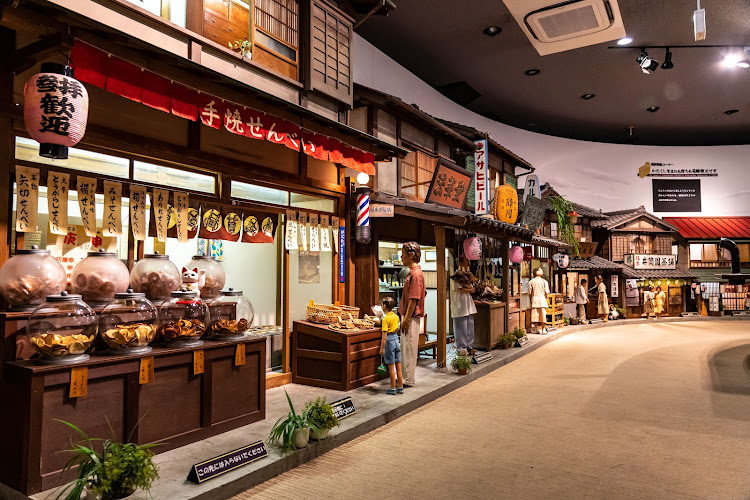
Located in a neighborhood that itself seems frozen in time, this museum offers visitors a chance to step into the world of Torajiro Kuruma, the lovable wandering salesman who captured hearts across Japan for nearly five decades.
Walking through these halls feels like visiting an old friend’s house where every corner holds a memory. The museum doesn’t just display props and memorabilia—it recreates entire scenes and settings from the 48-film series that became a cultural phenomenon in Japan. You’ll find yourself surrounded by the actual items used in filming, from Tora-san’s trademark striped shirt to the everyday objects that populated his fictional world in Shibamata.
What makes this place particularly special is how it preserves not just cinema history but a slice of Japanese life that’s largely disappeared. The Tora-san films documented a Japan that was rapidly modernizing, and this museum becomes a time capsule of that era. For international travelers, it offers insights into Japanese popular culture that go way beyond anime and contemporary pop culture. And honestly, even if you’ve never seen a single Tora-san film (which, let’s be real, many Western visitors haven’t), the museum still manages to communicate the warmth and humor that made these movies resonate with millions.
The facility does an admirable job of making the experience accessible to non-Japanese speakers, though I’ll admit the language barrier can be a bit challenging at times. But that’s part of the adventure, really. Sometimes the best travel experiences come from navigating spaces that weren’t necessarily designed with you in mind—it makes the discoveries feel more authentic.
Key Features
The museum packs quite a bit into its space, and visitors consistently find themselves pleasantly surprised by the depth of the collection. Here’s what makes this place worth the trip:
• Full-scale recreation of the Kuruma family candy shop, complete with period-accurate details that transport you straight into the films. You can practically smell the incense and hear the sliding doors.
• Extensive collection of original props, costumes, and filming equipment used throughout the series. We’re talking about the actual stuff touched by actors, not replicas—which for film buffs is pretty much heaven.
• Interactive displays that let you pose in Tora-san’s outfit and take photos. Yeah, it’s touristy, but it’s also genuinely fun. Don’t be too cool for this.
• Detailed exhibits explaining the Showa period’s social context and how it influenced the films. This is where the museum becomes educational rather than just nostalgic.
• Original scripts, storyboards, and behind-the-scenes photographs showing the creative process. Film students and cinema enthusiasts could spend hours poring over these materials.
• A small theater screening clips and full episodes from the series, with some offering English subtitles (though availability varies, so don’t count on it).
• Seasonal exhibitions that rotate throughout the year, focusing on different aspects of the franchise or specific films in the series.
• The gift shop—which deserves its own bullet point—stocks memorabilia you simply won’t find anywhere else. From replica props to unique souvenirs celebrating the films.
• Wheelchair accessibility throughout, including ramps, elevators, and accessible restrooms. The museum clearly takes inclusion seriously.
• An on-site cafe serving snacks and beverages, some inspired by foods featured in the films. The dango here hits different when you’re surrounded by Tora-san nostalgia.
Best Time to Visit
Timing your visit to the Tora-san Museum can make the difference between a peaceful, contemplative experience and feeling like you’re shuffling through in a crowd. Based on visitor patterns and local knowledge, weekday mornings remain your best bet for a quieter visit. The museum opens at 9 AM, and arriving within the first hour means you’ll have more breathing room to linger over exhibits.
Weekends and Japanese national holidays predictably draw larger crowds, particularly families with children. If you’re visiting during Golden Week (late April through early May) or the Obon festival period in August, brace yourself for company. But don’t let that scare you off completely—the atmosphere during these times carries a special energy, with multiple generations bonding over shared cultural memories.
Season-wise, spring and autumn offer the most comfortable visiting conditions. The museum isn’t overly large, so you won’t be outdoors much, but the surrounding Shibamata neighborhood is worth exploring, and you’ll appreciate mild weather for that. Cherry blossom season in late March through early April adds an extra layer of beauty to the area, though it also brings more visitors.
Summer can be sweltering, and while the museum has air conditioning, you’ll feel the heat getting there and exploring nearby. Winter, on the other hand, is underrated. The crowds thin out, and there’s something cozy about diving into nostalgic film history when it’s crisp outside. Plus, winter admission prices sometimes include small discounts or special promotions.
If you’re planning around specific exhibitions, check the museum’s schedule beforehand. Special displays often debut in spring and fall, and these can significantly enhance your visit. I’ve heard from travelers who timed their trips around particular commemorative exhibitions and felt it added tremendous value to the experience.
The museum occasionally offers guided tours, but these typically run in Japanese. Still, the visual nature of the exhibits means you’ll understand plenty without translation. Tours usually happen mid-morning on weekends, so factor that into your planning if you want a more structured experience versus self-guided wandering.
How to Get There
Getting to the Tora-san Museum involves a journey that’s part of the experience itself. The museum sits in Shibamata, a district in Tokyo’s Katsushika ward that maintains an old-town atmosphere increasingly rare in the capital. From central Tokyo, you’re looking at roughly 40 to 60 minutes of travel time depending on your starting point.
The most straightforward route uses the Keisei Kanamachi Line to Shibamata Station. From major hubs like Ueno or Asakusa, take the Keisei Main Line to Takasago Station, then transfer to the Keisei Kanamachi Line for the short ride to Shibamata. The station itself is charming, designed to evoke the Showa period aesthetic, and you’ll immediately sense you’ve arrived somewhere different from modern Tokyo.
From Shibamata Station, the museum is about a 10-minute walk. You’ll head down the atmospheric Taishakuten Sando, a traditional approach lined with old shops selling rice crackers, sweets, and crafts. This street alone justifies the visit—seriously, allow time to explore it. The museum sits near Taishakuten Temple, so you can easily combine both attractions.
For those coming from further afield or preferring not to navigate train transfers, taxis from central Tokyo locations run between 3,000 to 5,000 yen depending on traffic and your exact starting point. Ride-sharing apps work here, though they’re less common in Japan than in many Western countries.
If you’re driving, the museum offers paid parking on-site. Spaces fill up on weekends, so arrive early if you’re going this route. Parking rates are reasonable by Tokyo standards, and the convenience might be worth it if you’re traveling with family or have mobility concerns. The lot accommodates standard vehicles, and there are designated accessible parking spaces near the entrance.
One travel hack: consider purchasing a Keisei Line day pass if you’re planning to visit multiple attractions served by this railway network. The pass covers unlimited rides and can save money if you’re also hitting spots like Narita or other eastern Tokyo locations on the same day.
Tips for Visiting
Let me share some practical wisdom that’ll help you make the most of your Tora-san Museum experience. First off, admission fees are quite reasonable—usually around 500 yen for adults, with discounts for children and seniors. It’s cash-friendly Japan, so bring yen even though they’re increasingly accepting cards.
Don’t rush through. I know, I know, there’s always another attraction calling, but this museum rewards slow exploration. Budget at least 90 minutes, ideally two hours if you want to watch film clips and really absorb the atmosphere. The best visits happen when you let yourself get pulled into the nostalgia and storytelling rather than checking boxes.
Photography is generally allowed for personal use, but flash photography might be restricted in certain areas to preserve delicate materials. Pay attention to signage, and when in doubt, observe what other visitors are doing or ask staff. Getting that perfect Instagram shot isn’t worth damaging historical artifacts.
The gift shop deserves serious attention. It’s small but thoughtfully curated with items ranging from affordable postcards and keychains to higher-end collectibles. Some merchandise is exclusive to the museum, making it genuinely special rather than generic tourist stuff. And the quality tends to be excellent—this isn’t cheap plastic nonsense.
Combine your museum visit with exploring Shibamata more broadly. The neighborhood itself embodies the world Tora-san inhabited, with traditional architecture, family-run businesses, and a slower pace. Taishakuten Temple next door is beautiful and historically significant. The area along the Edo River offers pleasant walking paths. Making a half-day or full-day outing of Shibamata provides better value than rushing in just for the museum.
Language-wise, English signage exists but is limited. Download a translation app before your visit—it’ll help with reading exhibit descriptions. But honestly? Sometimes not understanding every word makes you focus more on the visual storytelling, which can be surprisingly effective.
If you’re traveling with kids, the interactive elements keep them engaged even if they don’t grasp the cultural significance. The photo ops, recreated sets, and general kid-friendly atmosphere make this more accessible than many museums. The cafe offers simple snacks that appeal to younger palates too.
For accessibility, the museum genuinely walks the walk with ramps, elevators, and accessible facilities throughout. Staff members are attentive to visitors with mobility needs. If you require assistance, don’t hesitate to ask—Japanese hospitality excels in these situations even when language barriers exist.
Lastly, manage expectations around what this museum is and isn’t. It’s not the Tokyo National Museum with elaborate multimedia installations. It’s a focused, affectionate tribute to a specific cultural phenomenon. Come with openness to experiencing something distinctly Japanese, and you’ll leave with unexpected appreciation for a corner of cinema history you probably didn’t know existed.
 Real Journey Travels