Description
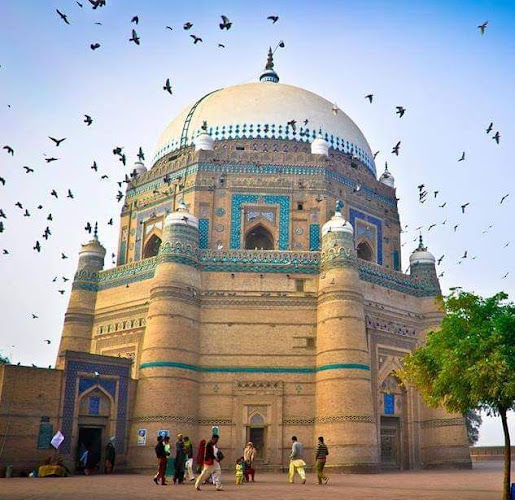
The structure itself is a masterpiece of early Tughluq architecture, a style that combines strength and spirituality in equal measure. The tomb’s octagonal base, topped by a massive white dome, commands attention from miles away. Its surface is adorned with intricate blue and white tile mosaics that shimmer under the blazing Multan sun—each tile a silent storyteller from a bygone era. The wooden balconies and carved doors, though weathered, retain their dignity and craftsmanship, revealing the artistry of those who built it nearly seven hundred years ago.
Inside, the atmosphere shifts. The noise of the city fades, replaced by a calm that’s almost tangible. The scent of rose petals and incense lingers in the air, and pilgrims move quietly, offering prayers and touching the cool marble walls. It’s humbling, really, how a place can feel so vast and yet so intimate at the same time. Some visitors come seeking peace, others history, and many both. I remember my first visit—I wasn’t sure what to expect, but I left feeling oddly lighter, as if the place had quietly whispered something to me that I couldn’t quite put into words.
While most people fall in love with its grandeur, it’s not without its imperfections. The surrounding area can get crowded, and the heat sometimes feels relentless. But maybe that’s part of the charm—it’s raw, real, and deeply human. The tomb isn’t just an architectural wonder; it’s a symbol of Multan’s soul, standing tall through centuries of change.
Key Features
- Architectural Design: The tomb’s octagonal layout and towering dome make it one of the earliest and finest examples of Tughluq architecture in the Indian subcontinent.
- Decorative Art: The exterior showcases stunning blue and white tilework, geometric patterns, and calligraphy that reflect both Persian and South Asian influences.
- Wooden Craftsmanship: Intricately carved wooden balconies, doors, and screens add warmth and texture to the otherwise massive brick structure.
- Spiritual Significance: The shrine serves as the resting place of Shah Rukn-e-Alam, a revered Sufi saint whose teachings emphasize love, tolerance, and unity.
- Panoramic Views: Perched on a high mound, the tomb offers sweeping views of Multan’s historic landscape, especially at sunset when the city glows golden.
- Accessibility: The site is wheelchair-friendly, with accessible entrances, restrooms, and parking areas, making it welcoming for all visitors.
- Onsite Amenities: Restrooms and shaded areas are available for visitors, and local vendors nearby sell traditional Multani souvenirs and refreshments.
Best Time to Visit
Multan can get scorching hot, so timing your visit makes all the difference. The best months are between November and February, when the weather is cooler and the air feels crisp. The mornings are particularly magical—soft light bathes the dome, and you can hear the faint sounds of prayer echoing across the city. If you visit during the annual Urs festival (usually held in the Islamic month of Jumada al-Thani), you’ll witness the shrine come alive with thousands of devotees, qawwali performances, and a palpable sense of devotion. It’s crowded, yes, but the energy is unforgettable.
Summer visits, on the other hand, are not for the faint-hearted. Temperatures often soar above 40°C, and the stone floor can feel like a griddle under your feet. Still, if you’re the kind of traveler who doesn’t mind the heat and wants a quieter experience, you’ll find the tomb almost meditative during those off-peak months.
How to Get There
Reaching the Tomb of Shah Rukn-e-Alam is relatively straightforward, especially if you’re already in Multan. The city is well-connected by road, rail, and air. From the Multan International Airport, it’s roughly a 20-minute drive to the shrine. Taxis and ride-hailing services are readily available, though I personally recommend hiring a local rickshaw—it’s slower, sure, but you’ll get to soak in the city’s rhythm along the way. The ride through the narrow streets, with the scent of spices and the hum of daily life, is an experience in itself.
If you’re coming from other cities like Lahore or Karachi, trains and intercity buses run frequently. Once in Multan, follow the signs toward the old fort area. The tomb sits within the Qila Kohna Qasim Bagh complex, which also houses other historical landmarks. Parking is available nearby, but it’s often limited during peak hours, so arriving early is a smart move.
Tips for Visiting
Here’s where a bit of insider advice can make your visit smoother—and more meaningful:
- Dress Respectfully: This is a sacred site, so modest clothing is appreciated. For women, a headscarf is recommended, and for everyone, removing shoes before entering the main chamber is customary.
- Visit Early: Mornings are cooler, less crowded, and perfect for photography. The light at sunrise makes the blue tiles glow beautifully.
- Bring Water: Even in winter, Multan’s dry air can dehydrate you quickly. Keep a bottle handy, especially if you plan to explore the surrounding fort area.
- Hire a Local Guide: A knowledgeable guide can share stories and legends you won’t find in guidebooks—like how the tomb was once intended for a Tughluq ruler before being gifted to the saint.
- Be Mindful of Pilgrims: Many visitors come for spiritual reasons. Maintain a quiet, respectful demeanor, and avoid interrupting prayers or ceremonies.
- Photography Etiquette: Photography is allowed in most areas, but always ask before taking pictures of people, especially worshippers.
- Combine Visits: The tomb is close to other attractions like the Multan Fort and the Hussain Agahi Bazaar. Spend a full day exploring—you won’t regret it.
One small personal tip: take a few minutes to just sit quietly inside the main chamber. Don’t rush. Let the echoes of centuries wash over you. You’ll feel the weight of history, but also a strange sense of peace. It’s one of those rare places that remind you how small you are—and how connected we all are to something greater.
In the end, the Tomb of Hazrat Shah Rukn-e-Alam isn’t just a destination—it’s an experience. It’s a bridge between past and present, between art and faith. Whether you’re a history lover, an architecture enthusiast, or simply a curious traveler, this shrine has a way of leaving an imprint on your heart long after you’ve left its gates.
 Real Journey Travels