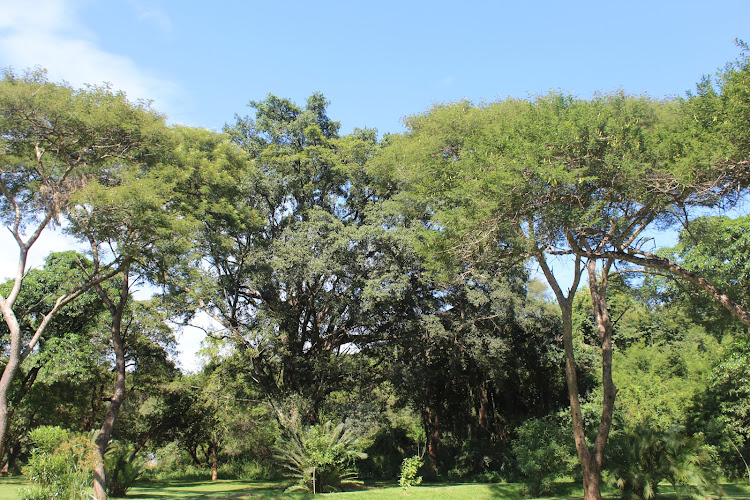
Thohoyandou Botanical Garden is a calm, green counterpoint to the pace of Thohoyandou, offering a place to walk among planted displays while staying close to the character of Limpopo’s natural landscape. Rather than presenting nature as a formal collection alone, the garden is valued for the meeting point between cultivated areas and more relaxed, tree-filled sections. It suits visitors looking for an unhurried break, a family outing, or a chance to notice the region’s indigenous plant life at ground level.
Set in Thohoyandou-D, the garden makes an easy nature-focused stop for travelers exploring the town and the wider Vhembe area. Shaded walking routes, open picnic spaces and views across the surrounding landscape create a visit that can be as simple or as leisurely as you choose. Come with curiosity rather than a checklist: the appeal lies in moving slowly, reading the educational information where available, and seeing how different plants, trees and garden zones fit into a distinctly Limpopo setting.
Standout Highlights & Experience
The garden’s strongest draw is its emphasis on indigenous vegetation and a setting that does not feel overly rigid. Paths lead visitors through varied planted sections, with large trees contributing welcome shade and a more established sense of place. It is less about racing between headline attractions and more about close observation, photographs, conversation and time outdoors.
- Indigenous plant focus: Look for plants associated with Limpopo’s regional biodiversity, arranged in garden sections that invite comparison between forms, foliage and growing conditions.
- Tree-shaded walking: Mature indigenous trees give parts of the walking routes a cooler, quieter feel, especially valuable when the day is bright.
- Naturalistic character: Maintained paths sit alongside areas with a looser, more natural appearance, helping the garden feel connected to its ecological setting.
- Educational stops: Signage can add context to the vegetation, making this a worthwhile visit for families, students and anyone interested in local flora.
- Picnic-friendly spaces: Dedicated picnic areas provide a practical reason to linger after a walk; bring what you need and leave the space tidy for the next group.
- Views and photo pauses: Use the garden’s viewpoints and openings in the trees for wider landscape views, then turn attention back to smaller botanical details.
Practical Visitor Strategy
| Factor | What to Know |
|---|
| Best Time to Go | Earlier in the day is generally the most comfortable choice for a walk and gives you more time to explore at an easy pace. |
| Suggested Duration | Allow roughly one to two hours for a relaxed circuit, reading signs, pausing in the shade and using the picnic areas. |
| Crowd & Entry Tips | Weekends and family-friendly periods may feel livelier. Check current access arrangements, any entry requirements and on-site conditions before setting out. |
| Getting Oriented | Start with the main paths, note any signs and facilities, then choose whether to prioritise planted sections, viewpoints or a picnic stop. |
Wear comfortable footwear suitable for garden paths, carry drinking water and plan for changeable sun exposure even when parts of the route are shaded. Restroom facilities and picnic infrastructure add convenience, but self-sufficiency still makes for a smoother visit. Visitors who want photographs should leave time for both broad scenes and close-ups of leaves, bark, flowers and seasonal changes. Respect planted beds, stay on designated routes where indicated and avoid disturbing wildlife or vegetation.
Honest Fit: Who Will Love It (and Trade-Offs)
This is a particularly good fit for plant lovers, families with time to spare, walkers seeking a gentle outdoor activity, and travelers who prefer local ecological context over a high-intensity attraction. It can also work well as a quieter complement to errands, dining or other sightseeing in Thohoyandou. Most visitors should find the established pathways approachable, and wheelchair-accessible routes are available through much of the garden; however, accessibility can vary by section, surface condition and weather, so visitors with mobility needs should assess conditions on arrival. Those seeking a large-scale wildlife experience, extensive adventure activities or a tightly programmed day may find the visit modest in scope. Pair it with time in Thohoyandou itself, a relaxed meal, or another Vhembe-area nature stop for a more rounded day out.
 Real Journey Travels