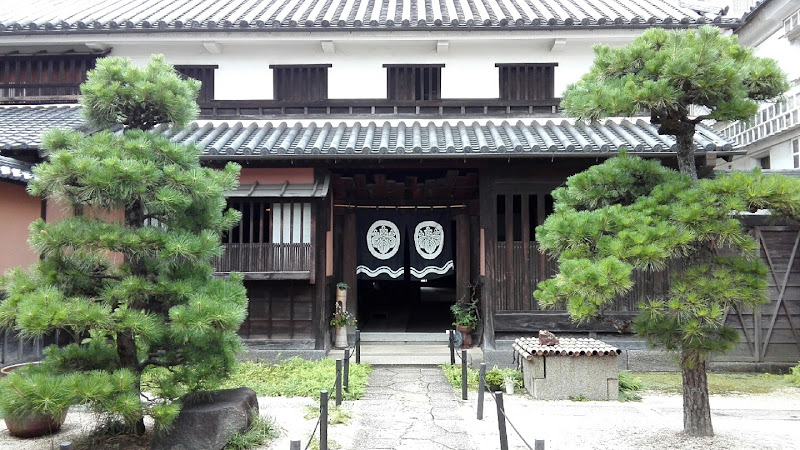
Built in 1796 by the wealthy Ohashi family, this traditional merchant’s residence tells a story of ambition, craftsmanship, and the rhythm of life in Japan’s Edo period. The Ohashis made their fortune through rice field and salt field development, as well as finance, and their success is reflected in the refined details of this home. It’s officially recognized as an Important Cultural Property of Japan, which already says a lot about its historical weight.
Walking through the wooden corridors, visitors can almost hear the faint echoes of merchants discussing trade or the rustle of kimono fabric as family members moved about their daily routines. The air feels different here—still but charged with history. The tatami rooms are beautifully preserved, and the architecture shows off that distinctive Kurashiki merchant-class aesthetic: understated elegance, solid craftsmanship, and a quiet pride in prosperity. It’s not a huge house, but every corner feels intentional. Even the sliding doors seem to whisper stories of centuries past.
Personally, I’ve always been drawn to places like this—where the walls seem to remember. When I first visited, I found myself pausing in the main room, just soaking in the light filtering through the shoji screens. There’s something calming about the way the sunlight hits the old wood, the way the scent of tatami lingers in the air. It’s not a grand palace, but it feels deeply human, like a home that’s seen laughter, business deals, and quiet evenings over tea.
For travelers who love history, architecture, or simply the feeling of time slowing down, The Ohashis’ House is a must-see. It’s the kind of place where you can learn as much by observing as by reading the information panels. And while it’s right in the heart of Kurashiki’s historical district, it somehow feels tucked away—a calm reprieve from the busier streets outside.
Key Features
- Photography permitted in certain areas—always a plus for travel enthusiasts
- Not wheelchair accessible, so visitors should plan accordingly
Each detail in the house feels deliberate—from the way the tatami mats are laid out to the subtle curves of the roof tiles. And while some might say it’s “just another old house,” I’d argue it’s far more than that. It’s a living record of how commerce and culture intertwined in historical Japan. You can almost feel the pride of the Ohashi family in every beam.
Best Time to Visit
Kurashiki has that kind of beauty that changes with the seasons, and The Ohashis’ House reflects it perfectly. Spring and autumn are, in my opinion, the best times to visit. In spring, the air feels fresh, and the nearby streets bloom with soft colors that make the whole area feel poetic. The light during these months tends to be gentle, which makes the wooden interiors glow warmly—perfect for photography or just quiet contemplation.
Autumn, on the other hand, brings a slightly nostalgic vibe. The cooler air and the golden leaves outside somehow deepen the atmosphere inside the house. It’s the kind of season that makes you want to linger a little longer, maybe sit by the window and imagine what life here was like two centuries ago. Summer can be quite hot and humid, and because the building isn’t air-conditioned, it might feel a bit stuffy. Winter has its charm too, though—there’s something special about the crisp air and the way the old wood creaks softly in the cold.
If you’re planning your trip around comfort and ambiance, I’d go for late March to early May, or October to November. Those months strike the perfect balance between good weather and fewer crowds. But honestly, there’s no bad time to visit if you’re the kind of traveler who appreciates history and atmosphere over convenience.
How to Get There
Getting to The Ohashis’ House is pretty straightforward, especially if you’re exploring Kurashiki’s historical district. Most travelers arrive via Kurashiki Station, which is well connected to Okayama and other major cities in the region. From the station, it’s about a 15–20 minute walk through charming streets filled with traditional shops and cafes. If you’re carrying luggage or prefer a quicker route, taxis are easy to find and reasonably priced.
For those who enjoy walking (I definitely do), the stroll itself is part of the experience. The streets leading to the house are lined with white-walled storehouses, small art galleries, and the occasional aroma of freshly baked sweets wafting from local shops. It’s the kind of walk that makes you slow down and take it all in. And if you’re the type who loves to wander off the main path, you’ll find plenty of little side alleys worth exploring before or after your visit.
Just a heads-up: there’s no dedicated parking for The Ohashis’ House, and accessibility for wheelchairs is limited. If you’re driving, look for nearby public parking lots around the Kurashiki Bikan area. They’re usually well-marked and easy to navigate, though they can fill up quickly during weekends and holidays.
Tips for Visiting
Here’s where my personal experience might come in handy. The first time I visited, I made the rookie mistake of rushing through because I wanted to see everything else in the area. Big mistake. This is not the kind of place you “check off” a list—it’s one you absorb slowly. So, my biggest tip? Take your time. Sit down on the tatami mats (where allowed), listen to the creak of the floorboards, and just be present. It sounds simple, but it changes the whole experience.
Another tip: bring socks. You’ll need to remove your shoes before entering, and walking barefoot on tatami can feel a bit odd if you’re not used to it. Also, because the house isn’t wheelchair accessible, those with mobility issues might find it challenging to explore fully. If you’re visiting with family, keep that in mind when planning your itinerary.
Photography is allowed in certain areas, but always double-check the signs. Some rooms are off-limits for photos, and honestly, it’s nice to just put the camera down for a bit and take it all in. The atmosphere here is best experienced with your own eyes, not through a lens.
Timing-wise, mornings tend to be quieter, especially on weekdays. If you want to avoid crowds and get that serene, almost meditative feel, aim to arrive shortly after opening. The light filtering through the paper screens is especially beautiful around that time. And if you’re traveling in summer, it’s also cooler earlier in the day.
Lastly, don’t skip the small details. The craftsmanship in the beams, the joinery in the wooden frames, the patterns on the sliding doors—all of it tells a story. I once spent ten minutes just admiring the way the sunlight hit a particular corner of the tatami room. Maybe that sounds excessive, but that’s what makes places like this special. They invite you to slow down and notice things you might otherwise overlook.
All in all, The Ohashis’ House is more than just a historical site—it’s a window into the past, a reminder of how deeply culture and craftsmanship are intertwined in Japan’s history. Whether you’re a history buff, an architecture lover, or just someone who enjoys wandering through beautiful old spaces, it’s absolutely worth the visit. And if you leave feeling like you’ve stepped out of another century, well, that’s exactly the point.
 Real Journey Travels