
The National Museum
About The National Museum
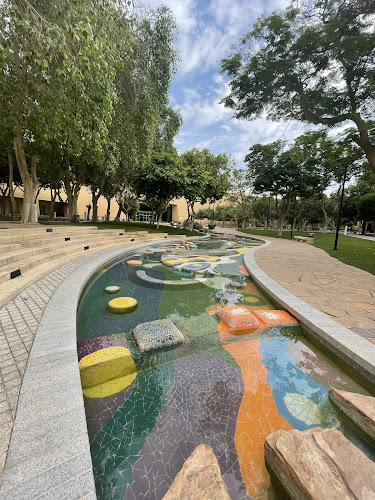
The National Museum in Riyadh stands as a thoughtfully restored former palace that has been reimagined into one of the kingdom's most compelling cultural destinations. It tells a layered story — from prehistoric settlements on the Arabian Peninsula through the rise of Islam, to the formation of the modern Saudi state under King Abdulaziz — and does so across carefully curated galleries, a quiet library, rotating art exhibitions, and a surprisingly generous garden that invites reflection between halls. For travelers who like museums that feel like places to linger rather than speed-run checklist items, this museum delivers in a measured, humane way.
Architecturally, the building keeps enough palace character to feel historic but it has been adapted for modern museum use: wide circulation paths, well-lit display cases, large interpretive panels, and comfortable seating. The visitor experience is organized chronologically and thematically, so one can follow linear timelines of human activity in the region or choose deep dives — for example, into Islamic art, pre-Islamic archaeology, or the life and legacy of King Abdulaziz. The layout is friendly to families and casual explorers alike, with exhibits designed to be read quickly or studied slowly. In other words, whether someone has forty minutes between meetings or four hours on a lazy afternoon, the space accommodates both.
Highlights include the art gallery and permanent cultural exhibits that showcase artifacts, ceramics, inscriptions, and recreated domestic scenes that help bridge the gap between object and everyday life. Interactive displays are present but used judiciously; the museum leans on objects and narrative rather than flashy screens, which is refreshing if the visitor is tired of museums that prioritize tech over content. Live performances are also staged periodically in indoor spaces or the garden, giving the place a pulse — music, short theatrical pieces, and cultural demonstrations that animate the collections and make history feel alive.
One should not underestimate the calming effect of the museum's garden. After walking through halls dense with centuries of history, that green courtyard functions like an exhale. It’s an underrated travel tip: museums with outdoor areas often become the most memorable because they allow visitors to process what they’ve seen. Families appreciate it particularly; children can move without disturbing fragile displays, and caregivers get a moment to plan the next stop. The presence of a library inside the complex is also a boon for more curious visitors. It offers reference materials and quieter spaces for anyone wanting to research Saudi history, Islamic culture, or the region’s archaeology before or after viewing the exhibits.
Accessibility is a clear priority here. Wheelchair accessible entrances and parking, along with accessible restrooms, mean the museum is thoughtfully set up for a wide range of visitors. Practical amenities include clean restrooms and family-friendly conveniences such as changing tables. There is no full-service restaurant within the museum, so visitors should plan accordingly, but the surrounding area in Riyadh tends to have plenty of dining options for different budgets. Still, the museum’s layout and places to sit make it perfectly possible to bring a light snack and take a bench in the garden — not forbidden in some corners, though rules are worth checking on arrival.
There is a pleasant balance between serious scholarly content and approachable storytelling. Some galleries read like mini-lectures with dense chronology and fine details that will satisfy history buffs and researchers. Other sections use narrative panels and tactile displays to introduce the main arcs for casual visitors, which means mixed groups — families, students, expat visitors, and international tourists — can all find something that matches their pace. The collection ranges from rare artifacts to replicas and multimedia that explain context; this helps those who are new to Arabian history without diluting the material for subject-matter enthusiasts.
Practical notes for travelers: the museum tends to draw families and school groups, especially during weekends and school holiday periods, so those seeking quieter visits might prefer weekdays in the morning. Security is present and efficient; visitors should expect bag checks as part of normal entry procedures. Photography rules vary by gallery — some sections permit casual photography without flash, others restrict it entirely, usually where delicate manuscripts or light-sensitive textiles are displayed. It is a good idea to ask at the front desk or check the posted notices. Also, the museum occasionally rotates its temporary exhibitions and brings in international loan pieces, so a repeat visit can feel fresh; experienced travelers who stay in Riyadh for a few days might plan to return to catch different shows.
There is also a noticeable emphasis on national identity and the story of Saudi Arabia as a modern state. Exhibits that touch on the era of King Abdulaziz and the subsequent development of the kingdom are prominently displayed, giving insight into state formation, tribal ties, and political developments. For many international visitors this contextual overview provides a useful framework for understanding contemporary Saudi Arabia beyond the headlines — cultural practices, social development, and the artistic expressions that have emerged in recent decades.
For art lovers, the museum’s gallery and temporary exhibitions highlight both traditional Islamic art and modern strands of Saudi artistic practice. Pieces range from finely decorated manuscripts and calligraphy to contemporary painting and mixed-media work by regional artists. The museum’s curators have been increasingly active in programming shows that explore modern Saudi identities, which is an interesting counterpoint to the more conventional historical displays. So even if someone thinks they came only for the history, there’s a fair chance they’ll leave with an appreciation for contemporary artistic voices.
One of the small things that often stands out to seasoned travelers is the interpretive quality of the exhibit texts. They are typically bilingual and try to strike a helpful tone: informative but not condescending. Maps, timelines, and well-labeled artifacts make the museum navigable, and the descriptive panels are written with clear headings and short paragraphs — useful for those skimming as well as those slow-reading. Audio guides and guided tours may be available; these can markedly enhance the experience, especially in galleries dense with dates and place names. Booking a guided tour or starting with an audio guide helps anchor the visit and bring continuity to the objects on display.
On the flip side, expectations should be tempered. The museum is not a bustling international art palace with Michelin-star dining or sweeping vistas; it is, at its heart, a cultural institution focused on education and preservation. There are areas where signage could be improved or where interpretive media could be updated, but these are typical of large museums undergoing continuous development. Most travelers will find the experience rewarding nonetheless, particularly those who appreciate substance over spectacle.
Finally, a candid note about crowds and timing: while the museum is popular with both locals and tourists, it rarely feels overwhelming outside peak local times. For those trying to avoid school groups, early weekday mornings are the sweet spot. On the contrary, visiting during a scheduled live performance or cultural event can be a joyful way to see traditions in motion, so if a traveler wants to be part of the local cultural rhythm, checking the museum’s event calendar before planning the visit is a smart move.
In sum, the National Museum in Riyadh offers travelers a compact but richly assembled window into the Arabian Peninsula’s past and present. It deserves time in any well-rounded Riyadh itinerary: bring curiosity, plan a couple of hours (more if books and art are priorities), and leave room to sit in the garden afterward. Travelers who approach it with patience will find the museum rewarding — sometimes quietly touching, sometimes unexpectedly thought-provoking, and often giving a clearer picture of a place that is changing fast yet still deeply rooted in its history.
Key Features
The National Museum
You Might Also Like
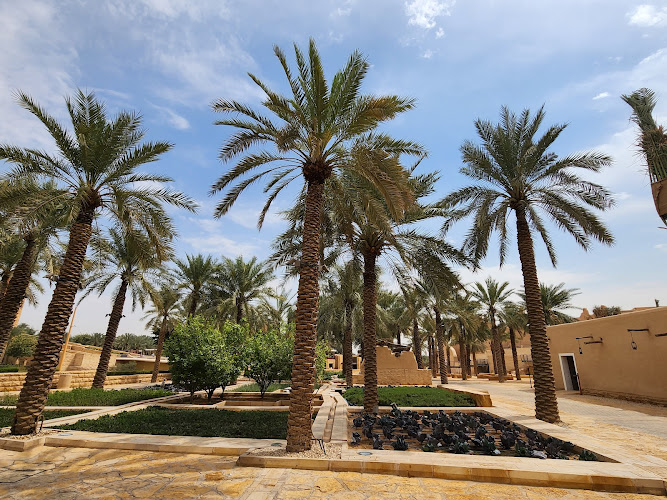
Al Bujairi Heritage Park
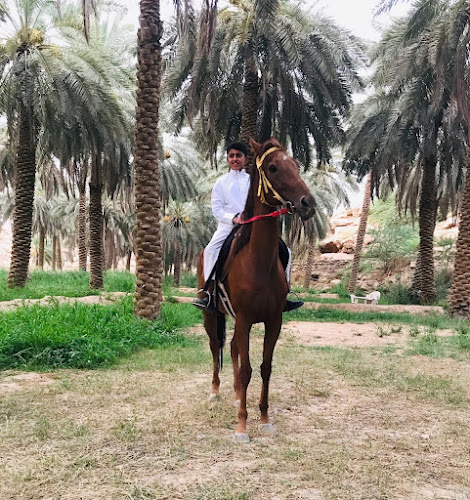
Al Haeer Park Khamsa Khamsa
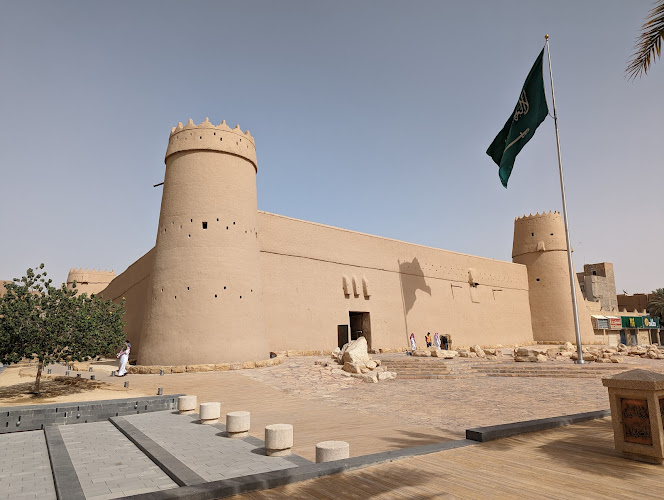
Al Masmak Palace Museum
Tours & Activities
GetYourGuide provides this tour inventory. We may earn a commission if you book through it; verify current availability, prices, and terms with the provider.
Visitor Reviews
There are no reviews yet. Be the first one to write one.
Share Your Experience
Have you visited The National Museum? Help other travelers by leaving a review.