Description
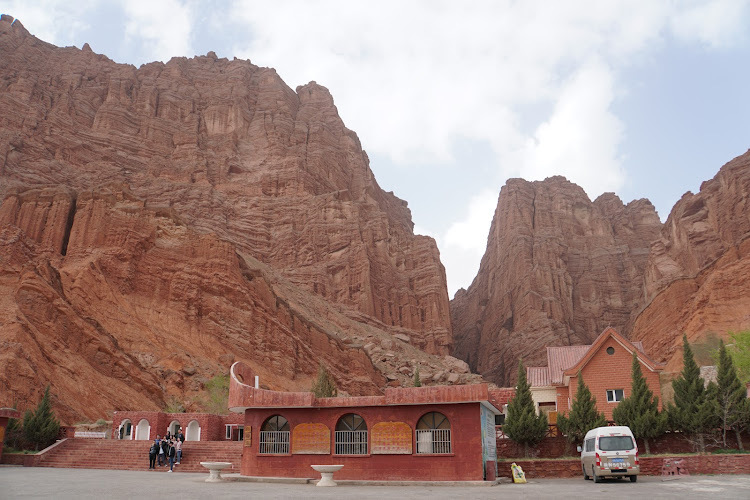
The Mystic Grand Canyon of the Tianshan is one of those places that makes you stop and question whether you’re actually standing on Earth or somehow wandered onto another planet. This geological wonder carved through millions of years sits in the Tianshan mountain range, where nature decided to show off by creating a dramatic narrow gorge flanked by towering red-sandstone formations that seem to pierce the sky itself.
When you first approach the canyon, the sheer scale of these rust-colored walls rising hundreds of feet above you creates an almost overwhelming sense of awe. The sandstone here didn’t just settle into boring layers—it twisted, folded, and curved into shapes that look like frozen waves or ancient cathedrals designed by some wild artistic force. And the colors! During different times of day, the rocks shift from deep crimson to orange to almost purple hues, creating a natural light show that no photographer can truly capture (though goodness knows we all try).
The winding trail through the canyon isn’t particularly long, but every turn reveals something new. Sometimes the passage narrows so much you can almost touch both walls at once, while other sections open up into small amphitheaters where the rock formations create natural sculptures. I remember hearing from a fellow traveler who visited last summer that she felt like she was walking through an ancient temple—and honestly, that description fits better than anything else I can think of.
What makes this canyon particularly special is how accessible it is for families. Unlike some dramatic gorges that require serious hiking chops, this one welcomes visitors of various fitness levels, including children who’ll find the whole experience like exploring a real-life fantasy landscape. The path is well-maintained enough that you won’t need rock-climbing skills, but wild enough that it still feels like an adventure.
Key Features
- Towering red-sandstone cliffs that reach heights of over 100 meters, creating dramatic vertical walls on both sides of the narrow passage
- A winding trail approximately 3 kilometers long that takes visitors through the heart of the canyon’s most spectacular formations
- Unique geological formations shaped by millions of years of wind and water erosion, including natural arches, curved walls, and layered rock patterns that tell the story of ancient geological processes
- Stunning color variations in the sandstone that change throughout the day, ranging from deep reds and oranges to purples and browns depending on the angle of sunlight
- Narrow passages where the canyon walls close in to just a few meters apart, creating an intimate and sometimes cathedral-like atmosphere
- Family-friendly pathways that accommodate visitors of different ages and abilities, making it an excellent destination for those traveling with children
- Relatively moderate climate conditions within the canyon itself, as the high walls provide natural shade and protection from harsh weather elements
- Photography opportunities at virtually every turn, with natural lighting conditions that create dramatic shadows and highlights on the textured rock surfaces
- Minimal commercial development within the canyon itself, allowing visitors to experience the natural environment without excessive tourist infrastructure interfering with the views
- Geological features that serve as outdoor classrooms, where visitors can observe sedimentary layers, erosion patterns, and other earth science phenomena in real-world settings
Best Time to Visit
Timing your visit to the Mystic Grand Canyon of the Tianshan can make the difference between a good experience and an absolutely unforgettable one. The ideal window falls between late April and early October, when weather conditions are most favorable and the access roads remain reliably open.
Summer months from June through August bring the highest number of visitors, and honestly, there’s good reason for that popularity. The weather during this period is warm but not oppressively hot inside the canyon—those towering walls create natural shade that keeps things comfortable even when temperatures outside the gorge climb. However, you’ll be sharing the experience with more people, which can sometimes mean waiting for that perfect photo without someone’s elbow in your frame.
My personal favorite time? Late September to early October. The crowds thin out considerably, the light takes on this golden quality that makes the red rocks absolutely glow, and there’s something magical about the crisp autumn air. Plus, you might catch some early morning mist that creates an ethereal atmosphere in the narrow passages. But be warned—you’ll need to bring layers because mornings and evenings can get quite cool.
Spring, particularly May, offers another excellent option. The surrounding landscape comes alive with wildflowers and greenery, creating a beautiful contrast against the red canyon walls. The temperatures are mild, and you’ll beat the summer rush. Just check weather forecasts beforehand because spring can occasionally bring unexpected rain, and while the canyon is beautiful in light rain, heavy precipitation can make the trails slippery.
Winter visits are possible but require serious consideration. Snow and ice can make access difficult, and some facilities might close. That said, if you’re adventurous and properly prepared, seeing the red rocks dusted with snow creates a surreal and almost otherworldly scene that few visitors ever witness.
Regarding time of day, early morning visits around 8-10 AM offer softer light that’s fantastic for photography, plus you’ll have the trails less crowded. Late afternoon from 4-6 PM brings dramatic shadows and rich, warm tones to the rock faces. Midday visits work fine too, though the overhead sun can create harsh contrasts and the trails see peak traffic.
How to Get There
Getting to the Mystic Grand Canyon of the Tianshan requires some planning, but the journey itself becomes part of the adventure. The canyon sits in Xinjiang province, and most visitors use Urumqi, the regional capital, as their base point for the journey.
From Urumqi, you’re looking at roughly a two to three-hour drive depending on traffic and road conditions. The most common approach involves hiring a private car or joining an organized tour group—both options have their merits. Private cars offer flexibility in timing and the ability to stop for photos along the way (and trust me, you’ll want to stop), while tour groups handle all logistics and often include knowledgeable guides who can provide context about the region’s geology and history.
Some travelers opt for public transportation to nearby towns and then arrange local transportation from there, which can save money but adds complexity and time to the journey. The roads leading to the canyon are generally well-maintained highways that transition to smaller local roads as you approach the site, so standard vehicles can make the trip without requiring specialized four-wheel drive capabilities.
If you’re feeling particularly independent, rental cars are available in Urumqi, though you’ll need an International Driving Permit along with your regular license. Navigation apps generally work well in this region, but downloading offline maps beforehand is smart because cell coverage can become spotty in more remote areas.
The final approach to the canyon entrance includes designated parking areas where you’ll leave your vehicle and proceed on foot to the actual trail entrance. Don’t expect a massive visitor center complex—facilities here are relatively basic, which honestly adds to the authentic experience rather than detracting from it.
Tips for Visiting
Preparation makes all the difference when visiting the Mystic Grand Canyon of the Tianshan, so here’s what you actually need to know beyond the usual “bring water” advice that every travel article repeats ad nauseam.
First, footwear matters more than you might think. The trails are generally well-maintained but uneven in places, with occasional loose gravel and rocky sections. Those fashionable sandals or brand-new hiking boots you’ve never broken in? Leave them at the hotel. Comfortable walking shoes or trail shoes with good grip will serve you much better. I learned this the hard way during my first canyon visit years ago—nothing ruins a spectacular view quite like worried about rolling an ankle.
Sun protection deserves serious attention even though the canyon walls provide shade. The high altitude means UV radiation is stronger than at sea level, and those rock walls can reflect sunlight right into areas you’d think are protected. A wide-brimmed hat, quality sunscreen, and sunglasses aren’t optional accessories—they’re essential equipment.
Water and snacks are crucial because while the hike isn’t extremely strenuous, you’ll be out there longer than you expect. Every turn in the canyon reveals something new worth stopping to admire, and before you know it, a “quick walk” has turned into a three-hour exploration. Bring more water than you think you’ll need.
Camera equipment deserves thoughtful consideration. While smartphones capture decent images, the dramatic lighting conditions and scale of the canyon really benefit from a proper camera if you have one. A wide-angle lens helps capture the towering walls, though a standard lens works fine too. And bring extra batteries—between the temperature variations and the sheer number of photos you’ll take, power drains faster than normal.
Timing your visit earlier or later in the day provides better experiences than midday arrivals. Not only is the lighting more interesting for photography, but the trails are less crowded, allowing you to soak in the atmosphere without feeling rushed by groups behind you or held up by crowds ahead.
Dress in layers because the temperature inside the canyon can differ significantly from outside. The narrow passages stay cooler thanks to shade and air circulation, while open areas can feel quite warm in direct sunlight. Being able to add or remove a layer keeps you comfortable throughout your visit.
Respect the geological formations by staying on marked trails and not climbing on the rock faces. Beyond being dangerous, touching and climbing on the sandstone accelerates erosion of these ancient formations. We want future visitors to enjoy the same spectacular views.
Cash proves useful because not all facilities in the area accept cards or electronic payments. Having local currency on hand for entrance fees, parking, and any snacks or drinks available from small vendors eliminates potential headaches.
Finally, manage your expectations about facilities. This isn’t a developed theme park—it’s a natural geological site with basic amenities. Restrooms are available but basic, food options are limited, and cell service can be unreliable. That’s part of the charm, really, but knowing this beforehand prevents disappointment.
The Mystic Grand Canyon of the Tianshan rewards those who approach it with proper preparation and an open sense of wonder. This geological masterpiece offers experiences that stick with you long after you’ve returned home—the kind of place that makes you understand why people travel in the first place.