Texas State Museum of Asian Cultures & Education Center
About Texas State Museum of Asian Cultures & Education Center
Description
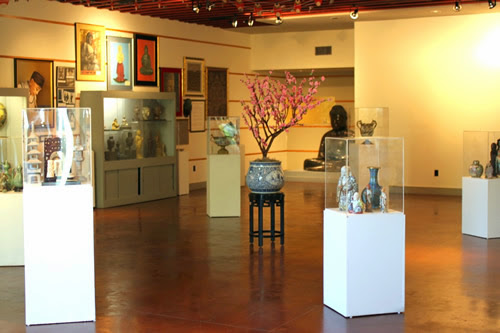
The Texas State Museum of Asian Cultures & Education Center is one of those places that quietly surprises you. It’s not a massive, shiny museum with endless halls—it's more like a treasure chest tucked away in Corpus Christi’s SEA District. Founded decades ago by Billie Trimble Chandler, this museum has grown into a heartfelt tribute to the cultures, art, and traditions of Asia. You walk in expecting a small local exhibit, and before you know it, you’re standing in front of centuries-old Japanese Hakata dolls, intricate Chinese porcelain, or a hand-carved Indian sculpture that looks like it could tell a thousand stories if given the chance.
What really makes this museum stand out is how personal it feels. You can sense the passion behind every display, from the delicate origami pieces to the vibrant textiles that seem to hum with history. It’s not just about looking at pretty things behind glass; it’s about understanding the people, beliefs, and artistry that shaped them. And honestly, that’s what makes this place worth visiting—it’s a journey through Asia without ever leaving Texas.
I remember the first time I visited. I thought I’d just pop in for half an hour before lunch, but I ended up staying for nearly two hours, chatting with a volunteer about Japanese tea ceremonies and the symbolism behind certain kimonos. There’s something deeply human about that kind of experience. You don’t just see history here—you feel it.
Key Features
- Extensive collection of Asian art and artifacts representing countries like Japan, India, Thailand, China, and more.
- Home to one of the world’s largest displays of traditional Japanese Hakata dolls.
- Interactive educational programs and cultural workshops for both kids and adults.
- Origami demonstrations and hands-on activities that let visitors try their hand at traditional crafts.
- Guided tours that offer deeper insights into the cultural context of each exhibit.
- Gift shop featuring handcrafted items, Asian-inspired souvenirs, and educational materials.
- Wheelchair-accessible facilities including entrances, restrooms, and parking areas.
- Discounts available for active military members.
- Family-friendly environment that encourages curiosity and cultural appreciation.
Each display feels carefully curated, almost like someone’s personal collection rather than a corporate exhibit. You’ll find yourself moving from one country to another in just a few steps—admiring a Thai Buddha statue one moment and a delicate Japanese kimono the next. And if you’re traveling with kids, they’ll love the hands-on activities that make learning about other cultures fun and memorable.
Best Time to Visit
Honestly, this museum is enjoyable year-round, but if you want to make the most of your visit, try to go during the cooler months—say, from late fall through early spring. Corpus Christi can get pretty warm in the summer, and while the museum itself is comfortably air-conditioned, exploring the SEA District before or after your visit is much nicer when the weather’s pleasant.
Weekdays are usually quieter, giving you space to wander without feeling rushed. Weekends, on the other hand, tend to bring in more families and tourists, which adds a lively energy. If you’re the type who enjoys chatting with staff or joining a guided tour, weekends might actually be better since more programs are often running then.
The museum also occasionally hosts cultural events and seasonal exhibits, so it’s worth checking their schedule before you go. I once stumbled upon a Japanese New Year celebration there, complete with traditional music and calligraphy demonstrations—it was one of those unexpected travel moments that stick with you.
How to Get There
Getting to the museum is pretty straightforward if you’re already in Corpus Christi. It’s located right in the SEA District, not far from the harbor area, which makes it easy to combine with other attractions like the Texas State Aquarium or the USS Lexington. If you’re driving, there’s accessible parking nearby, and you’ll find plenty of signs pointing you in the right direction.
Public transportation options are available, but if you’re visiting from out of town, renting a car or using a rideshare service might be the easiest route. The area is pedestrian-friendly, too, so if you’re staying nearby, you can easily walk over and enjoy the local restaurants and shops afterward.
One thing I’ll say—don’t rush the trip. The museum might not take all day to explore, but it pairs beautifully with other nearby sites. Plan a relaxed afternoon around it, maybe grab lunch at a local café, and just soak in the coastal vibe of Corpus Christi.
Tips for Visiting
Here’s the thing about smaller museums like this one—they reward curiosity. So, take your time, ask questions, and don’t be shy about chatting with the staff. They’re incredibly knowledgeable and genuinely passionate about sharing what they know.
- Plan ahead: Check for special events or workshops before your visit. They often host cultural days that include performances, craft sessions, or storytelling for kids.
- Bring your camera: Photography is usually allowed, but always be respectful of signage around certain exhibits.
- Take advantage of discounts: If you’re active military, you’ll appreciate the discounted admission. It’s a nice touch that shows appreciation for service members.
- Travel with kids: This place is great for families. The hands-on activities keep little ones engaged while still being educational.
- Accessibility: The museum is fully wheelchair accessible, with ramps, restrooms, and parking designed for ease of access.
- Budget some time for the gift shop: It’s small but charming, with unique finds you won’t see in typical tourist stores. I still have a hand-painted fan I bought there years ago—it’s become one of my favorite travel keepsakes.
- Stay curious: Even if you’re not a “museum person,” you’ll find something to connect with here. Maybe it’s a piece of art that reminds you of a trip you took, or maybe it’s just the calm, reflective atmosphere that helps you slow down for a bit.
One of the things I love most about the Texas State Museum of Asian Cultures & Education Center is that it doesn’t try too hard. It’s not about flashy displays or high-tech gimmicks—it’s about authenticity. You can tell the people behind it really care about preserving and sharing these cultures. And that sincerity comes through in every corner of the building.
If you’re a traveler who enjoys learning about the world in unexpected ways, this museum will speak to you. It’s a reminder that cultural understanding doesn’t always come from crossing oceans—it can happen right here in Texas, in a quiet gallery filled with stories from across Asia. So, take your time, wander slowly, and let yourself be surprised. You might walk out knowing a little more about the world—and maybe even a little more about yourself.
Key Features
- Extensive collection of Asian art and artifacts representing countries like Japan, India, Thailand, China, and more.
- Home to one of the world’s largest displays of traditional Japanese Hakata dolls.
- Interactive educational programs and cultural workshops for both kids and adults.
- Origami demonstrations and hands-on activities that let visitors try their hand at traditional crafts.
- Guided tours that offer deeper insights into the cultural context of each exhibit.
- Gift shop featuring handcrafted items, Asian-inspired souvenirs, and educational materials.
- Wheelchair-accessible facilities including entrances, restrooms, and parking areas.
- Discounts available for active military members.
More Details
Updated December 1, 2025
Table of Contents
- Description
- Key Features
- Best Time to Visit
- How to Get There
- Tips for Visiting
- Key Highlights
- Location
- Places to Stay Near Texas State Museum of Asian Cultures & Education Center
- Find and Book a Tour
- Explore More Travel Guides
- Nearby Places You Might Like
- Traveler Reviews for Texas State Museum of Asian Cultures & Education Center
- Share Your Experience
Description
The Texas State Museum of Asian Cultures & Education Center is one of those places that quietly surprises you. It’s not a massive, shiny museum with endless halls—it’s more like a treasure chest tucked away in Corpus Christi’s SEA District. Founded decades ago by Billie Trimble Chandler, this museum has grown into a heartfelt tribute to the cultures, art, and traditions of Asia. You walk in expecting a small local exhibit, and before you know it, you’re standing in front of centuries-old Japanese Hakata dolls, intricate Chinese porcelain, or a hand-carved Indian sculpture that looks like it could tell a thousand stories if given the chance.
What really makes this museum stand out is how personal it feels. You can sense the passion behind every display, from the delicate origami pieces to the vibrant textiles that seem to hum with history. It’s not just about looking at pretty things behind glass; it’s about understanding the people, beliefs, and artistry that shaped them. And honestly, that’s what makes this place worth visiting—it’s a journey through Asia without ever leaving Texas.
I remember the first time I visited. I thought I’d just pop in for half an hour before lunch, but I ended up staying for nearly two hours, chatting with a volunteer about Japanese tea ceremonies and the symbolism behind certain kimonos. There’s something deeply human about that kind of experience. You don’t just see history here—you feel it.
Key Features
- Extensive collection of Asian art and artifacts representing countries like Japan, India, Thailand, China, and more.
- Home to one of the world’s largest displays of traditional Japanese Hakata dolls.
- Interactive educational programs and cultural workshops for both kids and adults.
- Origami demonstrations and hands-on activities that let visitors try their hand at traditional crafts.
- Guided tours that offer deeper insights into the cultural context of each exhibit.
- Gift shop featuring handcrafted items, Asian-inspired souvenirs, and educational materials.
- Wheelchair-accessible facilities including entrances, restrooms, and parking areas.
- Discounts available for active military members.
- Family-friendly environment that encourages curiosity and cultural appreciation.
Each display feels carefully curated, almost like someone’s personal collection rather than a corporate exhibit. You’ll find yourself moving from one country to another in just a few steps—admiring a Thai Buddha statue one moment and a delicate Japanese kimono the next. And if you’re traveling with kids, they’ll love the hands-on activities that make learning about other cultures fun and memorable.
Best Time to Visit
Honestly, this museum is enjoyable year-round, but if you want to make the most of your visit, try to go during the cooler months—say, from late fall through early spring. Corpus Christi can get pretty warm in the summer, and while the museum itself is comfortably air-conditioned, exploring the SEA District before or after your visit is much nicer when the weather’s pleasant.
Weekdays are usually quieter, giving you space to wander without feeling rushed. Weekends, on the other hand, tend to bring in more families and tourists, which adds a lively energy. If you’re the type who enjoys chatting with staff or joining a guided tour, weekends might actually be better since more programs are often running then.
The museum also occasionally hosts cultural events and seasonal exhibits, so it’s worth checking their schedule before you go. I once stumbled upon a Japanese New Year celebration there, complete with traditional music and calligraphy demonstrations—it was one of those unexpected travel moments that stick with you.
How to Get There
Getting to the museum is pretty straightforward if you’re already in Corpus Christi. It’s located right in the SEA District, not far from the harbor area, which makes it easy to combine with other attractions like the Texas State Aquarium or the USS Lexington. If you’re driving, there’s accessible parking nearby, and you’ll find plenty of signs pointing you in the right direction.
Public transportation options are available, but if you’re visiting from out of town, renting a car or using a rideshare service might be the easiest route. The area is pedestrian-friendly, too, so if you’re staying nearby, you can easily walk over and enjoy the local restaurants and shops afterward.
One thing I’ll say—don’t rush the trip. The museum might not take all day to explore, but it pairs beautifully with other nearby sites. Plan a relaxed afternoon around it, maybe grab lunch at a local café, and just soak in the coastal vibe of Corpus Christi.
Tips for Visiting
Here’s the thing about smaller museums like this one—they reward curiosity. So, take your time, ask questions, and don’t be shy about chatting with the staff. They’re incredibly knowledgeable and genuinely passionate about sharing what they know.
- Plan ahead: Check for special events or workshops before your visit. They often host cultural days that include performances, craft sessions, or storytelling for kids.
- Bring your camera: Photography is usually allowed, but always be respectful of signage around certain exhibits.
- Take advantage of discounts: If you’re active military, you’ll appreciate the discounted admission. It’s a nice touch that shows appreciation for service members.
- Travel with kids: This place is great for families. The hands-on activities keep little ones engaged while still being educational.
- Accessibility: The museum is fully wheelchair accessible, with ramps, restrooms, and parking designed for ease of access.
- Budget some time for the gift shop: It’s small but charming, with unique finds you won’t see in typical tourist stores. I still have a hand-painted fan I bought there years ago—it’s become one of my favorite travel keepsakes.
- Stay curious: Even if you’re not a “museum person,” you’ll find something to connect with here. Maybe it’s a piece of art that reminds you of a trip you took, or maybe it’s just the calm, reflective atmosphere that helps you slow down for a bit.
One of the things I love most about the Texas State Museum of Asian Cultures & Education Center is that it doesn’t try too hard. It’s not about flashy displays or high-tech gimmicks—it’s about authenticity. You can tell the people behind it really care about preserving and sharing these cultures. And that sincerity comes through in every corner of the building.
If you’re a traveler who enjoys learning about the world in unexpected ways, this museum will speak to you. It’s a reminder that cultural understanding doesn’t always come from crossing oceans—it can happen right here in Texas, in a quiet gallery filled with stories from across Asia. So, take your time, wander slowly, and let yourself be surprised. You might walk out knowing a little more about the world—and maybe even a little more about yourself.

Key Highlights
- Extensive collection of Asian art and artifacts representing countries like Japan, India, Thailand, China, and more.
- Home to one of the world’s largest displays of traditional Japanese Hakata dolls.
- Interactive educational programs and cultural workshops for both kids and adults.
- Origami demonstrations and hands-on activities that let visitors try their hand at traditional crafts.
- Guided tours that offer deeper insights into the cultural context of each exhibit.
- Gift shop featuring handcrafted items, Asian-inspired souvenirs, and educational materials.
- Wheelchair-accessible facilities including entrances, restrooms, and parking areas.
- Discounts available for active military members.
Location
Places to Stay Near Texas State Museum of Asian Cultures & Education Center
Find and Book a Tour
Explore More Travel Guides
No reviews found! Be the first to review!
Traveler Reviews for Texas State Museum of Asian Cultures & Education Center
There are no reviews yet. Be the first one to write one.
Have you visited Texas State Museum of Asian Cultures & Education Center? Help other travelers by sharing your review.
Find Accommodations Nearby
Recommended Tours & Activities
Visitor Reviews
There are no reviews yet. Be the first one to write one.
Share Your Experience
Have you visited Texas State Museum of Asian Cultures & Education Center? Help other travelers by leaving a review.