Description
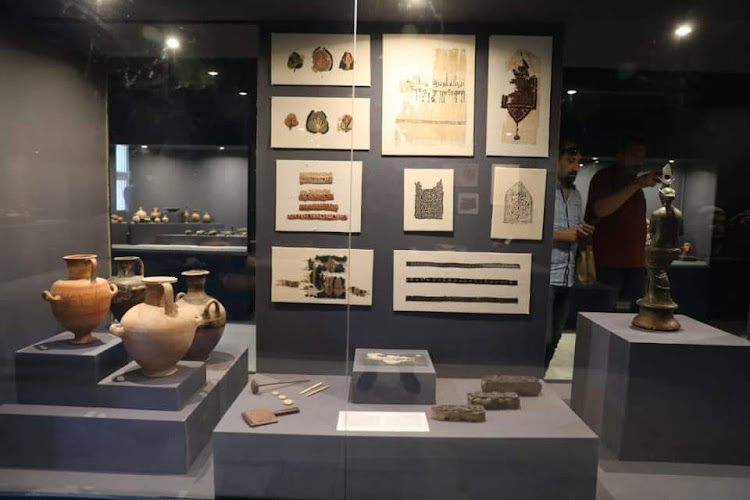
The Tanta Museum stands as one of Egypt’s more understated cultural treasures, offering travelers a genuine glimpse into the ancient world without the overwhelming crowds that plague Cairo’s more famous institutions. This century-old museum houses a carefully curated collection of Ancient Egyptian and Greco-Roman artifacts that tell the story of the Nile Delta’s rich historical tapestry. Walking through its halls feels like stepping into a time capsule where pottery shards whisper secrets of daily life thousands of years ago, coins reveal economic networks that spanned continents, and delicate figurines showcase the artistry of civilizations long past.
What really strikes visitors about this museum is its authenticity and intimacy. Unlike the massive institutions where you’re shuffling past exhibits shoulder-to-shoulder with tour groups, here you can actually take your time studying individual pieces without someone breathing down your neck. I’ve heard from travelers who spent an entire afternoon here just sketching one particular Roman-era mosaic fragment, completely undisturbed. That’s the kind of experience you simply can’t get at the Egyptian Museum in Cairo these days.
The building itself carries historical significance, having served the community for over a hundred years as a repository of regional archaeological finds. Many of the artifacts on display were discovered in the surrounding Gharbia Governorate, making this museum particularly valuable for understanding the local history of the Delta region. You’re not just looking at random pieces collected from across Egypt – you’re seeing objects that belonged to people who actually lived and worked in this specific area centuries ago.
The museum’s collection spans multiple historical periods, with particularly strong representations from the Ptolemaic and Roman eras when the Delta region thrived as an agricultural and commercial hub. But don’t overlook the Pharaonic pieces either. Some of the pottery collections demonstrate remarkable preservation, and the coin collection offers fascinating insights into trade routes and economic systems that connected ancient Egypt with the broader Mediterranean world.
Key Features
The Tanta Museum offers several distinctive elements that make it worth adding to your Egyptian itinerary:
- An extensive pottery collection showcasing everyday vessels, ceremonial pieces, and decorative items spanning multiple dynasties and periods
- A numismatic display featuring ancient Egyptian, Greek, and Roman coins that illustrate the evolution of currency and trade in the region
- Finely crafted figurines and statuettes representing deities, animals, and human forms from various historical periods
- Greco-Roman artifacts that highlight the cultural fusion that occurred during the Ptolemaic period and beyond
- Regional archaeological finds specific to the Nile Delta that you won’t encounter in larger museums focused on Upper Egyptian sites
- Wheelchair accessible facilities including entrance ramps and adapted restrooms, making it one of the more accessible cultural sites in the region
- A more intimate viewing experience with significantly fewer crowds compared to major metropolitan museums
- Information displays that provide context about local archaeological sites and ongoing excavation work in the Gharbia Governorate
- Family-friendly exhibits that engage children while still maintaining scholarly integrity
- Restroom facilities on-site for visitor convenience during extended visits
Best Time to Visit
Timing your visit to the Tanta Museum requires consideration of both weather and local events. The most comfortable period for exploring the museum is during Egypt’s cooler months from November through March. During this window, temperatures in Tanta remain pleasant, typically ranging from 15-25°C (59-77°F), making your walk to and from the museum far more enjoyable than attempting the same trip in July when the Delta heat can be absolutely brutal.
That said, the museum’s indoor environment provides refuge from weather extremes year-round. If you find yourself in Tanta during summer months, the air-conditioned gallery spaces offer a welcome escape from the heat. Just plan to arrive earlier in the morning before the midday sun makes outdoor movement uncomfortable.
One thing to keep in mind – and this is important – is the timing around Ramadan. During the Islamic holy month, opening hours typically shift, and you’ll find the museum less crowded during fasting hours but potentially busier after sunset. It’s not necessarily a bad time to visit, just different.
Weekday mornings, particularly Tuesday through Thursday, tend to be the quietest times. You’ll often have entire galleries to yourself, which honestly transforms the experience. And if you’re someone who likes to photograph artifacts without strangers wandering into your shots, these off-peak hours are golden.
Avoid Fridays if possible, as this is the Islamic day of congregation and family outings, meaning the museum sees increased local visitor traffic. Similarly, Egyptian school holidays and national festivals can bring larger crowds, though even “crowded” at the Tanta Museum rarely approaches the chaos of Cairo’s tourist sites.
The museum occasionally hosts special exhibitions or cultural events. While the schedule isn’t always published far in advance, checking ahead if you’re planning a trip around a specific timeframe can enhance your visit substantially.
How to Get There
Reaching the Tanta Museum involves navigating Egypt’s transportation network, which admittedly can be challenging for first-time visitors but is entirely manageable with some preparation. Tanta serves as a major railway hub in the Nile Delta, making train travel the most straightforward option for most travelers.
From Cairo, regular trains depart from Ramses Station heading to Tanta throughout the day. The journey typically takes between 90 minutes to 2 hours depending on which service you catch. The air-conditioned express trains offer the most comfortable experience, though they cost slightly more than the regular services. Purchase your ticket at the station – yes, there will be lines, but they move reasonably quickly outside of major holiday periods.
Once you arrive at Tanta’s main railway station, the museum is accessible by local taxi or microbus. Taxis are generally the easier option for visitors unfamiliar with the local microbus routes. Make sure to agree on a fare before departing, or insist the driver uses the meter. Most rides within the city center shouldn’t cost more than a few dozen Egyptian pounds.
If you’re driving from Cairo or Alexandria, Tanta sits along major highway routes connecting the two cities. The drive from Cairo takes roughly 2-3 hours depending on traffic conditions, while Alexandria is about 90 minutes away. Parking near the museum can sometimes be tricky, so factor in a few minutes to find suitable street parking.
For travelers based in Alexandria, trains also run regularly between the coastal city and Tanta, though the route may require a connection. Bus services operate between major Delta cities as well, offering a budget-friendly alternative to rail travel.
Getting around Tanta itself is relatively straightforward. The city is more compact than Cairo, and most attractions cluster within a manageable area. Don’t hesitate to ask locals for directions – Egyptians are genuinely helpful to travelers, even if language barriers occasionally require some creative gesturing and smartphone translation apps.
Tips for Visiting
A successful visit to the Tanta Museum requires more preparation than you might expect for a relatively small regional museum. First and foremost, bring cash. While Egypt is slowly modernizing payment systems, many smaller institutions still operate on a cash-only basis. Have small denomination bills ready for admission fees, and keep some additional pounds for potential photography fees if you want to take pictures inside.
Speaking of photography, always ask about current policies before snapping away. Rules can change, and some artifacts may have restrictions on flash photography to prevent deterioration. I’ve found that respectfully requesting permission and showing genuine interest in the collection often leads to more flexibility than just assuming you can photograph everything.
Dress modestly and comfortably. Egypt is a predominantly Muslim country, and while Tanta isn’t as conservative as some rural areas, showing respect through appropriate clothing goes a long way. Lightweight, breathable fabrics that cover shoulders and knees work well, especially given that you’ll likely be walking outdoors before and after your museum visit.
Don’t expect extensive English signage throughout the museum. While major pieces often have bilingual descriptions, many smaller artifacts may only feature Arabic labels. Consider downloading a translation app before your visit, or better yet, see if you can arrange a guide who speaks your language. The added context transforms the experience from simply looking at old objects to understanding their historical significance.
Bring water, but be mindful about consuming it inside the galleries. There’s usually a designated area where drinking is permitted. Dehydration sneaks up on you in Egypt, even indoors.
The museum doesn’t have a restaurant or cafe on premises, so plan accordingly. Grab a meal before or after your visit at one of Tanta’s local eateries. And honestly, this is part of the adventure – trying authentic Delta cuisine at a neighborhood restaurant where tourists rarely venture.
Allow more time than you think you’ll need. Even though the museum isn’t enormous, rushing through diminishes the experience significantly. A thorough visit typically takes 2-3 hours, longer if you’re particularly interested in any specific collection area.
If you’re traveling with children, the museum is genuinely kid-friendly, but bring some activities to keep younger ones engaged between exhibits. The ancient world fascinates many children, but attention spans vary. I’ve seen parents successfully use tablets to look up additional information about artifacts, turning the visit into an interactive learning experience.
Check opening hours before departing, as they can shift based on holidays and local events. Nothing’s more frustrating than traveling across the Delta only to find the museum closed for an unannounced occasion.
Finally, remember that this museum represents a less-touristed side of Egypt. You’re experiencing something more authentic and less commercially packaged than the typical Egyptian tourist circuit. Embrace that authenticity, engage with any museum staff you encounter, and recognize that you’re seeing a side of Egyptian cultural heritage that most visitors completely miss. That alone makes the Tanta Museum a worthwhile detour from the standard Pyramids-and-Luxor itinerary that dominates most travel plans.