
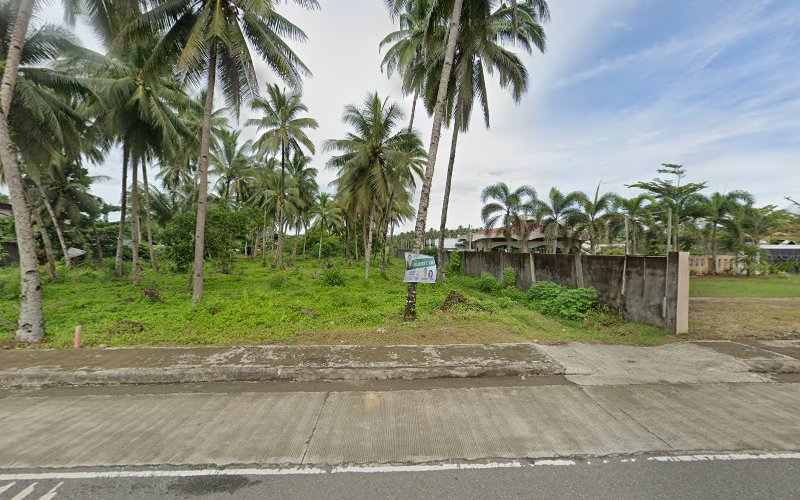
Tandag City Memorial Garden
About Tandag City Memorial Garden
So, you find yourself wandering in the City of Tandag, Surigao del Sur, and you start hearing little whispers about this solemn, well-kept place called the Tandag City Memorial Garden. At first blush, you might think it’s just another cemetery, but, trust me, you’d be missing the point entirely. This place isn’t solely about loss—though that’s etched in every pathway—it’s also about memory, history, and a sense of deep, local pride that you can practically taste in the air.
I wouldn’t call myself a regular visitor of memorial parks, but there’s something calming here, some weird cocktail of serenity and small-town warmth that makes you stop and reconsider the chaotic pace of your trip. Maybe it’s the neatly arranged plots bordered by green hedges or the cool shade thrown by mango and mahogany trees, but you might just find yourself slowing down and reflecting on more than your travel itinerary. I caught myself doing it, at least—unexpected, but oddly welcome.
You’ll spot families tidying up their ancestors’ spaces, kids trotting along the pathways (with a scolding Lola or two in tow), and the odd historian snapping photos for local archiving. Not a tourist trap, thank heavens; it’s genuine. For travelers who want to dig past the usual church-museum-market trifecta, the Tandag City Memorial Garden gives you a snapshot into the way this city honors its stories. I don’t pretend to know every name carved on the markers, but you can tell—these are lives woven into Tandag’s fabric.
Key Features
- Landscaped grounds: The gardens themselves are, honestly, better maintained than a lot of city plazas I’ve seen. Nice lawns, lots of mature shade, and quite a bit of thoughtful tending to the beds and walkways. Makes ambling around much more pleasant than you might expect.
- Wide, accessible paths: Not everyone’s nimble, and thankfully here the aisles are wide and the main arteries are flat. Got elderly relatives? Bringing strollers or wheelchairs? You’re pretty much set.
- Areas for reflection and prayer: You’ll find benches (some under tin canopies, some just beneath trees), plus some designated quiet areas. Perfect for a thinking session—or if you just need a breather from wandering the city’s noisier streets.
- Distinct memorial sections: There are designated areas for different denominations and traditions. Kinda cool for those interested in the city’s diverse cultural streaks. I always notice the way different families honor their loved ones—makes the whole place feel like a real patchwork of local identity.
- On-site caretakers and basic services: If you’re unsure where to go, there’s usually a friendly staff member or caretaker about. They’re happy to answer questions, and I noticed the bathrooms (while simple) were decently clean on my last stop.
- Peaceful and secure atmosphere: I’ve never once run into rowdy crowds or felt uneasy wandering—even as the sun starts to dip below the trees.
- Occasional local observances and events: Especially around All Saints’ and All Souls’ Days, but sometimes throughout the year too. If you’re around during these times, the foot traffic picks up, and it’s a peek into local custom you won’t easily forget.
Best Time to Visit
I get the urge to say, "Visit any ol’ day you please," but that’s not very helpful, is it? From my experience (and yes, I’ve popped by in both the blazing heat and the monsoon drizzle) the ideal visiting hours are in the morning or late afternoon. Trust me, the midday sun here is not for the faint of heart or the easily sunburnt.
But if you swing by during the late October to early November period—when locals gear up for All Saints’ Day and All Souls’ Day—the park comes alive (pardon the dark pun). There’s a subtle hum of devotion, family picnics on the grassy fringes, and flickering candles turning the gardens into a labyrinth of soft lights. If you’ve never seen a Filipino memorial park on these days, it’s a must. And even if big crowds aren’t your jam, it’s moving just to witness how families honor generations past.
Regular weekdays, especially in the off-peak months (March to September), are delightfully hush-hush. Birds out-chirping your thoughts, a random tethered goat maybe gazing back at you—rural quirks everywhere. Also, you avoid the sunstroke. Seriously.
How to Get There
Now, directions can be a pain around here if you’re not armed with Google Maps or a cousin who knows every shortcut. From downtown Tandag, the garden’s reachable in under 15 minutes by tricycle—yes, those colorful, rickety three-wheelers you see everywhere in Mindanao. They’re affordable, cheerful, and frankly, half the adventure. If you’re feeling spry, you could rent a bike. Just remember, some uphill stretches might leave your thighs yelping.
For folks with their own ride, parking’s easy enough, but spaces fill up quick during holidays. The roads are paved most of the way (save for a few pothole surprises—welcome to the Philippines). I’ve also done the walk from the town plaza—20 to 30 minutes, depending on your selfie stops and snack breaks. Be sure to bring water. And maybe a hat. Or a small umbrella if clouds are looming.
Public jeepneys don’t pass directly by the gates, so tricycles remain your best bet unless you’re in the mood for a trek. If you chat up any local tricycle driver, they’ll know exactly where you mean—they might even share a tale or two about the families resting there.
Tips for Visiting
- Dress comfortably, respect the space: This isn’t a nightclub or a fashion show. Closed-toed shoes make sense (fire ants and loose pebbles abound), and modest, light clothing keeps you cool and respectful.
- Bring water and snacks: There aren’t always sari-sari stores or snack kiosks nearby, so pack a bottle and a biscuit or two—especially if you’ve trekked in under the sun.
- Photos, yes—but be considerate: Snap your pics, sure, but avoid posing on graves or disrupting families in prayer. Sometimes you’ll get curious stares if you’re especially camera-happy, but most folks just smile and move on.
- Keep it clean: Use the bins for your wrappers and water bottles, please and thank you. It’s part of what keeps the place so inviting (seriously, a rarity in many public areas these days).
- Engage with locals (if you’re up for it): Some of my best insights came from chatting with caretakers or visitors. Filipinos are proud storytellers, after all—you might learn a thing or two about the park’s history or even about local beliefs surrounding life and death.
- Plan ahead for holidays: If you visit during the big memorial observances, expect crowds, extra tricycle fares, and maybe the odd detour. But honestly, seeing the garden alive with candles and laughter is worth a bit of hassle.
- Respect rituals: You might stumble upon prayers, small rituals, or customs unfamiliar to you—pause, observe, and take it as a lesson in local culture.
On my last visit, I found myself caught in a drizzle under the leafy canopy, chatting with a local caretaker about how people from decades back would picnic among the graves during family reunions. It struck me that this garden isn’t just about those who have left, but about how the living continue to honor, remember, and gather. If you’re longing for a travel experience that’ll give you a softer view of city life and human tradition, give Tandag City Memorial Garden a spot on your itinerary—it might just linger in your memory far longer than any waterfall or zipline adventure. It certainly did for me.
You Might Also Like
100 Baloy Long Beach Rd
11th World Scout Jamboree Memorial Rotonda
3 Springs Mountain Park
Tours & Activities
GetYourGuide provides this tour inventory. We may earn a commission if you book through it; verify current availability, prices, and terms with the provider.
Visitor Reviews
There are no reviews yet. Be the first one to write one.
Share Your Experience
Have you visited Tandag City Memorial Garden? Help other travelers by leaving a review.