Description
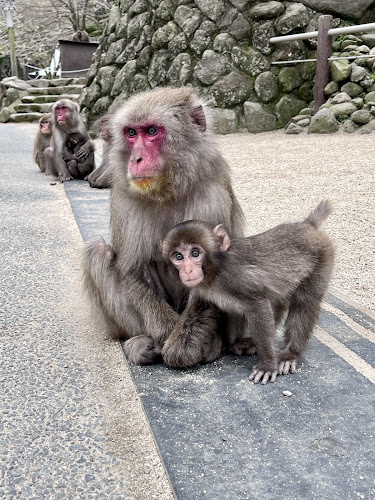
Takasakiyama Natural Zoological Garden offers something that most traditional zoos simply can’t replicate – the chance to watch wild Japanese macaques living their lives exactly as nature intended. Located in Oita Prefecture, this isn’t your typical zoo with animals behind bars. Instead, visitors get to observe over 1,500 wild monkeys roaming freely across the mountain slopes in family groups that have been studied for generations.
I’ll be honest, when I first heard about a “monkey park,” I pictured something a bit cheesy – maybe some trained primates doing tricks for tourists. But Takasakiyama completely shattered those expectations. The facility has been operating since 1952, making it one of Japan’s longest-running wildlife observation sites. And here’s what makes it truly special: these monkeys aren’t captive animals. They’re genuinely wild creatures who’ve simply become accustomed to human presence over the decades.
The research conducted here has contributed significantly to our understanding of primate behavior and social structures. Scientists have documented complex hierarchies within the monkey troops, tracked family lineages spanning multiple generations, and observed fascinating behaviors that you’d never see in a conventional zoo setting. The monkeys here have individual personalities, ongoing feuds, alliances, and social dramas that unfold daily – it’s like watching nature’s own reality TV show.
What struck me most about this place is how it manages to balance tourism with genuine conservation efforts. The feeding times aren’t circus performances; they’re opportunities for researchers to monitor the health and population dynamics of the troops while giving visitors an up-close look at natural monkey behavior. You might witness mothers teaching their young, playful juveniles wrestling and tumbling down hillsides, or dominant males asserting their authority through impressive displays.
Key Features
The experience at Takasakiyama Natural Zoological Garden sets itself apart in several remarkable ways:
- Two Wild Monkey Troops – The park is home to two distinct groups, Group B and Group C, each with several hundred members and their own complex social hierarchies that researchers have documented for over 70 years
- Natural Habitat Viewing – Unlike enclosed exhibits, visitors watch monkeys in their actual mountain habitat, creating authentic wildlife observation experiences that feel more like a safari than a zoo visit
- Feeding Demonstrations – Scheduled feeding sessions provide incredible photo opportunities as hundreds of monkeys descend from the forest, though the timing varies by season and troop movement patterns
- Educational Research Center – The facility doubles as a legitimate primatology research station, with displays explaining monkey social structures, family trees, and individual monkey personalities
- Monorail Access – A convenient monorail transports visitors partway up the mountain, making the experience accessible even for those who might struggle with steep hiking trails
- Wheelchair Accessibility – The main viewing areas and facilities accommodate wheelchair users, which is relatively uncommon for mountain-based attractions in Japan
- Aquarium Combination Tickets – Many visitors don’t realize the park offers combined admission with the nearby Oita Marine Palace Aquarium “Umitamago,” creating excellent value for families planning a full day of animal encounters
- Baby Monkey Season – Spring brings adorable newborns clinging to their mothers, providing heart-melting photo opportunities and insights into primate parenting behaviors
- Year-Round Operation – The facility remains open throughout the year, with each season offering different behavioral observations as the monkeys adapt to changing weather and food availability
Best Time to Visit
Timing your visit to Takasakiyama can dramatically impact your experience, and honestly, there’s no single “perfect” time because each season offers something unique.
Spring, particularly late March through May, is when you’ll encounter the absolute cutest scene imaginable – baby monkeys everywhere. The troops experience their main birthing season during these months, and watching tiny infants cling to their mothers while older siblings try (often unsuccessfully) to play with the newborns is genuinely heartwarming. The weather is also comfortable for walking around the observation areas without sweltering in summer heat.
Summer brings lush greenery and active monkeys, though be prepared for humidity and occasional rain. The monkeys tend to be more energetic during cooler early morning hours, so arriving right when the park opens around 8:30 AM gives you the best chance of seeing dynamic interactions. By midday in July and August, many monkeys retreat to shadier areas – can’t blame them, really.
Autumn might actually be my personal favorite time. The weather cools down, making it comfortable for both humans and monkeys to be more active throughout the day. The fall foliage creates a stunning backdrop for photography, and the monkeys seem particularly engaged in foraging behaviors as they prepare for winter. September through November typically sees fewer crowds than spring, which means better viewing positions during feeding times.
Winter visits have their own appeal. The monkeys grow thicker coats and huddle together in amusing clumps for warmth. You’ll see social bonding behaviors intensify as grooming sessions become more frequent. Just dress warmly yourself – mountain temperatures can be quite chilly. And winter weekdays are wonderfully uncrowded if you prefer a more peaceful observation experience.
Regarding time of day, definitely plan around the feeding sessions, which typically occur twice daily. These sessions don’t just bring the monkeys closer to viewing areas; they’re when you’ll witness the most dramatic social interactions as the hierarchy determines who eats first. Check the current feeding schedule when you arrive, as it shifts seasonally.
How to Get There
Getting to Takasakiyama Natural Zoological Garden requires a bit of planning, but it’s more straightforward than many visitors initially assume.
If you’re coming from outside Oita, most travelers arrive via Oita Airport or by train to Oita Station. From Oita Station, you have several options. The most common route involves taking a bus directly to the park, which takes approximately 30-40 minutes depending on traffic. The buses run regularly throughout the day, though less frequently during off-peak hours, so checking the schedule in advance prevents unnecessary waiting.
Many visitors rent cars, which offers the most flexibility for exploring the broader Oita region. The drive from Oita city center takes roughly 25-30 minutes following Route 10 along the coast. Parking is available on-site, with designated wheelchair-accessible spaces near the entrance. During peak seasons like Golden Week or summer holidays, arriving early secures better parking positions.
The park sits relatively close to the famous “Umitamago” aquarium – seriously, they’re practically neighbors. This proximity makes visiting both attractions in a single day totally feasible, and the combination tickets I mentioned earlier make financial sense if you’re planning to see both. Some visitors actually prefer staying in the nearby Beppu area, which is famous for its hot springs and offers excellent accommodation options. From Beppu Station, the journey takes about 15-20 minutes by car or roughly 30-40 minutes by public transportation.
For international travelers without Japanese language skills, taxi rides from major stations are viable but more expensive. However, drivers generally know “Takasakiyama” by name, so communication barriers are minimal. Just have the park name written in Japanese characters on your phone to show the driver.
One thing that caught me off guard – the monorail I mentioned earlier is included in your admission, but it doesn’t run continuously. It operates on a schedule, so if you’re planning your visit timing around specific feeding demonstrations, factor in a few minutes for the monorail ride up the mountain.
Tips for Visiting
Let me share some practical advice that’ll make your Takasakiyama experience significantly better, because there’s definitely things I wish someone had told me before my first visit.
First and most important – these are wild animals, not pets. I know they look adorable and relatively tame, but resist any urge to touch, feed, or interact directly with the monkeys. The park has strict rules about this, and they exist for good reason. The monkeys can become aggressive if they feel threatened or if they think you’re withholding food. I’ve seen tourists make the mistake of pulling out snacks, and suddenly finding themselves surrounded by very insistent monkeys demanding a share. Keep all food completely hidden in your bag until you’re ready to eat in designated areas.
Speaking of bags, secure everything. Monkeys are incredibly intelligent and dexterous, and they’ve figured out how to open poorly-fastened backpacks, purses, and camera bags. Don’t leave bags unattended even for a second, and consider using bags with zippers rather than simple flap closures. They’re particularly attracted to shiny objects and plastic bags that might contain food.
Wear comfortable walking shoes with good grip. Even though the monorail helps, you’ll still be navigating slopes and potentially uneven terrain. I made the mistake of wearing fashion-over-function shoes once and regretted it within twenty minutes. The paths can also be slippery after rain, so tread carefully.
Bring a decent camera or ensure your phone is fully charged. The photo opportunities here are exceptional, and you’ll kick yourself if you run out of battery halfway through. A zoom lens is incredibly valuable since you’ll want to capture detailed shots without getting too close to the monkeys. Early morning or late afternoon provides the best natural lighting for photography.
Plan for at least two to three hours to fully enjoy the park. Many first-time visitors underestimate how much time they’ll want to spend observing the troops. The monkey behavior is genuinely fascinating once you start recognizing individual personalities and social dynamics. Plus, you’ll want to explore the research center exhibits to better understand what you’re witnessing.
Check the weather forecast and bring appropriate gear. The mountain location means conditions can change quickly. A light rain jacket or umbrella is worth carrying even if the morning looks clear. Similarly, sun protection is essential during summer months – the observation areas don’t always have shade coverage.
If you’re visiting with children, this can be an incredible educational experience, but prepare them beforehand about the no-touching rule. Kids naturally want to pet cute animals, so establishing clear expectations prevents disappointment or potential dangerous situations. The park is genuinely kid-friendly with accessible facilities, but supervision is important.
Consider visiting on weekdays if your schedule allows. Weekend crowds can make it harder to secure good viewing positions during feeding times, and the monkeys themselves sometimes seem less relaxed when large groups of people are present.
Don’t rush to leave immediately after the feeding session. Some of the most interesting behaviors occur during the post-feeding period when the monkeys are relaxed and engage in social grooming, playing, or just lounging around. This quieter observation time often reveals more subtle aspects of their social structure.
Finally, manage your expectations about monkey appearances. These are wild animals living outdoors year-round, so they won’t look as pristine as zoo animals in controlled environments. That’s actually part of the authenticity that makes Takasakiyama special – you’re seeing genuine wildlife, complete with the occasional scrape, seasonal coat changes, and natural weathering. It’s real, unfiltered, and absolutely fascinating.