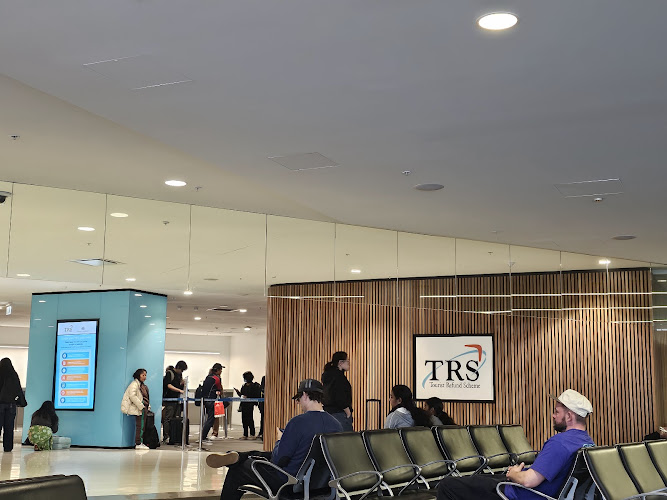
It’s where the hum of jet engines meets the salty air drifting in from Botany Bay. The airport has been around for a long time—over a century, actually—and it’s grown into one of the busiest airports in the Southern Hemisphere. Travelers flying in or out of Sydney quickly realize that this isn’t just a stopover point; it’s a well-oiled operation that somehow still feels very human. Sure, it’s big and busy, but there’s a certain rhythm to it that makes everything flow.
There are three terminals, each with its own personality. Terminal 1 handles international flights—so that’s where you’ll find the long queues of jet-lagged travelers, duty-free shops, and that unmistakable mix of accents from around the world. Terminal 2 and Terminal 3 cater to domestic flights, and they’re a bit more relaxed, though still buzzing with activity. The airport’s layout is surprisingly intuitive, and even though it can feel hectic during peak hours, it’s actually quite easy to navigate once you get your bearings.
One of the things that stands out about Sydney Airport is how well connected it is to the rest of the city. The train station sits conveniently beneath the terminals, whisking passengers to the heart of Sydney in under 15 minutes. That’s a huge plus, especially if you’ve just stepped off a long-haul flight and can’t wait to see the Opera House or grab a proper flat white. It’s also a relief for anyone who’s had to deal with airports where transport feels like an afterthought (we’ve all been there).
From a traveler’s perspective, the airport’s facilities are solid. There are plenty of food options—everything from quick bites to proper sit-down meals. You can grab sushi, a burger, or even a decent Aussie meat pie before your flight. And if you’re the kind of person who likes to shop while waiting, the retail options don’t disappoint. There’s duty-free shopping for international travelers, of course, but also local brands that make great last-minute souvenirs.
Now, not everything is perfect. The airport can get crowded, especially during the morning rush and late evening departures. Security lines can stretch longer than you’d like, and parking isn’t exactly cheap. But overall, Sydney Airport manages to strike a balance between efficiency and comfort. It’s clean, modern, and surprisingly friendly for such a large operation. Many travelers mention how helpful the staff are—something that makes a world of difference when you’re tired and slightly disoriented.
Best Time to Visit
Technically, airports don’t have “seasons,” but timing your flight through Sydney Airport can make a big difference. If you’re trying to avoid crowds, consider flying midweek—Tuesdays and Wednesdays tend to be quieter. Early morning flights (before 8 a.m.) or late-night departures are also less hectic. During Australian school holidays or around Christmas, the airport can feel like a madhouse, so if you can, plan around those times.
Weather-wise, Sydney is pleasant year-round, but if you’re connecting through and want to spend a few days exploring, spring (September to November) and autumn (March to May) are ideal. The temperatures are mild, and the skies are usually clear—perfect for sightseeing before or after your flight. I once landed in Sydney in mid-October, and the air smelled faintly of jasmine from the nearby suburbs. It’s those little sensory details that stick with you long after your trip ends.
How to Get There
Getting to Sydney Airport is refreshingly straightforward. The Airport Link train is the most efficient option—it runs frequently and connects directly to both the domestic and international terminals. You can catch it from Central Station, Town Hall, or Circular Quay, and you’ll be at the airport in about 13 minutes. It’s fast, reliable, and you don’t have to worry about traffic, which can be unpredictable in Sydney.
If you’re driving, there are clear signs leading to the terminals, and the airport’s parking facilities are well organized. There’s short-term parking for quick drop-offs and long-term options for those heading off on longer trips. But a word of advice: Sydney’s airport parking isn’t cheap, so it’s worth checking nearby offsite lots that sometimes offer better rates. Taxis and rideshares are also readily available, though they can get pricey during peak hours. I’ve found that taking the train is usually the least stressful (and most predictable) way to go, especially during rush hour.
For travelers staying in nearby suburbs like Mascot or Alexandria, walking or taking a short bus ride is doable. Some hotels even offer free shuttles, which is a nice perk if you’ve got heavy luggage or kids in tow. And for those arriving late at night, don’t worry—the airport operates around the clock, and transport options are still available even in the wee hours.
Tips for Visiting
Here’s where a few insider tips can make your experience smoother. First, always allow extra time. Sydney Airport is efficient, but it’s still one of the busiest in the country, and queues at check-in and security can surprise you. For international flights, aim to arrive at least three hours early. For domestic, 90 minutes is usually plenty. Trust me, it’s better to have time for a coffee than to sprint to your gate.
Second, if you’re transferring between terminals, note that the international and domestic terminals are not within easy walking distance. There’s a transfer bus that runs regularly, or you can hop on the train for a quick ride. I once made the mistake of thinking I could walk it—big mistake. Save yourself the hassle and just take the shuttle or train.
Third, keep an eye on flight information screens. Sydney weather can change quickly, and delays do happen, especially during storm season. The airport’s announcements are clear, but it’s always smart to double-check your gate before settling in at a café.
Another small but useful tip: if you’re facing a long layover, there are quiet zones and lounges where you can rest. Some lounges even offer showers, which can be a lifesaver after a long flight. And if you’re traveling with kids, the play areas are a godsend—clean, safe, and a great way for little ones to burn off energy before boarding.
Lastly, don’t overlook the simple pleasures. Grab a coffee from one of the local roasters inside the terminal—it’s often better than what you’ll find on the plane. Take a stroll near the large windows at Terminal 1 and watch planes take off over the bay. There’s something oddly calming about that moment before departure, watching the city skyline fade in the distance. It’s a reminder that travel, even through the chaos of airports, still has a bit of magic in it.
All in all, Sydney Airport does a good job of blending practicality with a touch of personality. It’s not perfect—few airports are—but it’s reliable, well-connected, and constantly improving. Whether you’re arriving for your first Aussie adventure or heading home after one, this airport leaves a lasting impression. And if you’re like me, you’ll probably find yourself quietly appreciating how smoothly it all runs, even when the lines are long and the coffee line’s even longer.
 Real Journey Travels