
Suyac Island Mangrove Eco-Park
About Suyac Island Mangrove Eco-Park
Description
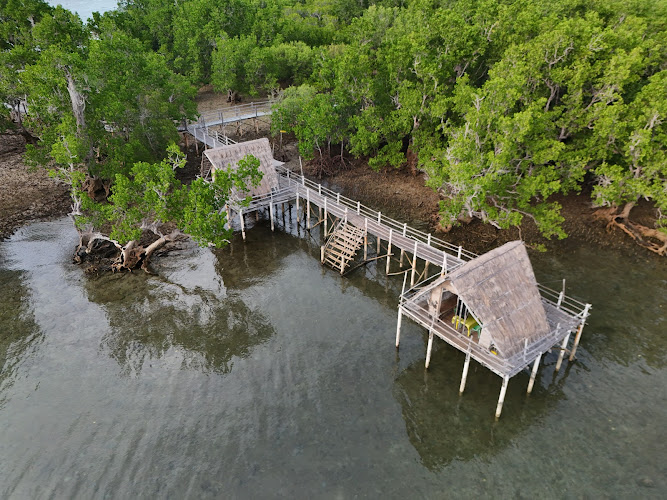
Suyac Island Mangrove Eco-Park is one of those rare places where nature feels like it’s still calling the shots. Sitting just off the coast of Sagay City in Negros Occidental, this 1.8-hectare island is wrapped in a 4-hectare mangrove forest that’s been cared for by the very people who live there. It’s not a polished, overly commercialized attraction – and that’s part of its charm. You’ll walk along wooden boardwalks that weave through ancient mangroves, some of which are said to be the oldest and largest of their kind in the province. The air smells faintly of salt and earth, and if you’re lucky, you might spot a kingfisher darting past or a mudskipper doing its awkward little dance in the shallows.
It’s peaceful here, but not in a sleepy way – more like the kind of peace that makes you slow down and notice the details. You might hear the creak of the boardwalk under your feet or the soft splash of fish in the water. And while most visitors rave about the scenery, it’s the people who make the experience stick. The eco-park is run by the Suyac Island Ecotourism Attendants Association, a group of locals who genuinely care about the mangroves and their community. They’ll tell you stories about how the mangroves protected the island during typhoons, or how the area is part of the larger 32,000-hectare Sagay Marine Reserve – the first of its kind in the country.
Of course, not everything is perfect. If you’re expecting luxury amenities, you might be a little underwhelmed. The facilities are basic, and sometimes the weather can make the waters a bit murky. But if you’re here for authenticity, for that feeling of being part of something real and alive, Suyac delivers. It’s a place where you can eat freshly caught seafood in a simple bamboo hut, watch the tide creep in, and remember that not all beauty needs to be polished to shine.
Key Features
- 4-hectare mangrove forest with some of the oldest and largest mangroves in Negros Occidental
- Community-based eco-tourism managed by local residents
- Part of the 32,000-hectare Sagay Marine Reserve
- Wooden boardwalk trails through the mangroves
- Opportunities to spot birds, crabs, and other coastal wildlife
- Fresh seafood meals prepared by locals
- Close proximity to other Sagay attractions like Carbin Reef
Best Time to Visit
The dry months from December to May are generally the best for visiting Suyac Island Mangrove Eco-Park. During this period, the skies are clearer, the seas calmer, and the boardwalks less slippery. I personally like going in the early months of the year – January or February – when the sun is warm but not scorching, and the mornings feel crisp. If you go during the rainy season, you’ll still get that lush, green mangrove vibe, but be prepared for sudden downpours and muddier trails. And here’s a little tip: visit during high tide if you want to see the mangroves surrounded by water; low tide is great for spotting crabs and mudskippers up close.
How to Get There
Getting to Suyac Island Mangrove Eco-Park is part of the adventure. From Sagay City proper, you can make your way to the Old Sagay port by tricycle or jeepney. The ride itself is short, but you’ll pass through small neighborhoods and coastal roads that give you a glimpse of daily life here. At the port, you’ll hop on a motorized boat for about 20–25 minutes, depending on the tide and weather. The ride can be breezy, so keep your hat or cap secure unless you want it flying into the sea. If you’re coming from Bacolod City, expect a 2–3 hour land trip to Sagay before catching the boat.
Tips for Visiting
First off, bring cash. There are no ATMs on the island, and you’ll want to pay for entrance fees, boat rides, and maybe a seafood lunch. Speaking of lunch, try to call ahead or coordinate with the eco-park staff if you want a proper meal waiting for you – the seafood here is as fresh as it gets. Wear comfortable shoes with good grip because the boardwalk can get slippery, especially after rain. And don’t forget insect repellent; mangroves are beautiful, but mosquitoes think so too.
If you’re into photography, bring your zoom lens. The wildlife can be shy, and you’ll want to capture those candid moments without disturbing them. Also, be a respectful guest – this is a living, breathing community, not just a tourist spot. Take your trash with you, listen to the guides, and maybe even ask them about the work they do to protect the mangroves. You’ll leave with more than just photos; you’ll leave with stories worth telling.
Key Features
- 4-hectare mangrove forest with some of the oldest and largest mangroves in Negros Occidental
- Community-based eco-tourism managed by local residents
- Part of the 32,000-hectare Sagay Marine Reserve
- Wooden boardwalk trails through the mangroves
- Opportunities to spot birds, crabs, and other coastal wildlife
- Fresh seafood meals prepared by locals
- Close proximity to other Sagay attractions like Carbin Reef
You Might Also Like
100 Baloy Long Beach Rd
11th World Scout Jamboree Memorial Rotonda
3 Springs Mountain Park
Tours & Activities
GetYourGuide provides this tour inventory. We may earn a commission if you book through it; verify current availability, prices, and terms with the provider.
Visitor Reviews
There are no reviews yet. Be the first one to write one.
Share Your Experience
Have you visited Suyac Island Mangrove Eco-Park? Help other travelers by leaving a review.