
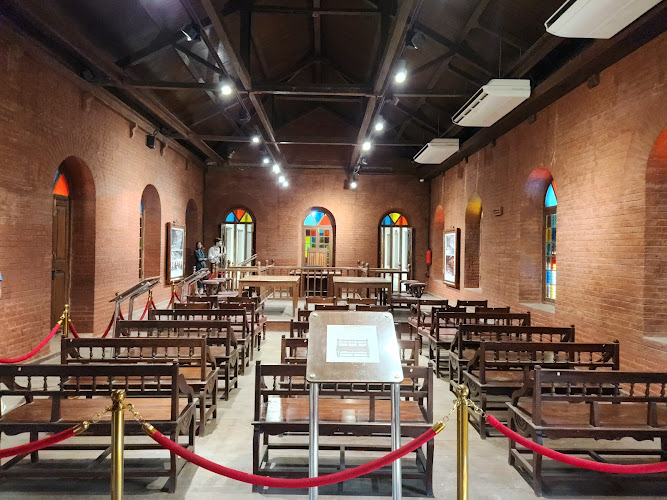
Surat Fort
About Surat Fort
Description
Surat Fort, sometimes called Surat Castle, is one of those places you don't forget if you’re into history that echoes off ancient stone walls. Right in the heart of Gujarat, India, this old fort stands as a silent storyteller, bearing witness to centuries of conquests, thriving trade, and cultural exchanges that shaped, well, pretty much half the world’s textile map at one point. Built in the 16th century by the orders of Sultan Mahmud III of the Gujarat Sultanate, it was no luxury project or ornament—it was a strategic fortification aimed to defend Surat from the many skirmishes and naval attacks that kept cropping up along the Gulf.
The fort—man, talk about strong castle!—was engineered as a response to threats from the Portuguese who, not content just being world explorers, were persistently menacing the coast at the time. Constructed mainly out of stone and lime, the structure has weathered the rough and tumble of Mughal, Dutch, and British rule, adapting and morphing with each passing era. What’s unique about Surat Fort isn’t just its architecture but the layers of stories it holds, from being a military stronghold to serving as an outpost for trade and power, to even briefly housing government offices in more recent history.
The fort’s present vibe gives a pretty balanced experience: for every spot that shows the charming wear of time, there’s another that’s been carefully restored. It’s great for kids (I remember taking my nephew there—he was obsessed with counting the cannons, go figure!) and it’s genuinely wheelchair accessible, not just on paper; big plus in my book. The experience is a bit like time-travel, except you’re close enough to the Chowk Bazar area to grab a quick snack after you’ve had your fill of heritage.
If you’re drawn to places with a rich history, powerful architecture, and strategic importance, Surat Fort rings all the bells. It’s not polished to a mirror shine, but frankly, that's part of the adventure—this is history you can touch, not something behind velvet ropes.
Key Features
- 16th Century Fortification: The castle was built in the 16th century under the rule of Sultan Mahmud III, making it one of the oldest fortresses still standing in Gujarat. That’s more than 450 years of stories staring back at you!
- Strategic Riverfront Location: Its prime position along the Tapi river gave it military and trade importance—imagine the river packed with merchant ships, Portuguese galleons lurking, and Mughal dignitaries arriving.
- Impressive Stone Walls: The fort boasts thick, formidable walls built to withstand both cannon fire and the relentless Gujarat sun.
- Architectural Fusion: There’s an intriguing blend of ancient Gujarati styling with some clear influences from Portuguese and even Dutch architectural features—you’ll spot this in the gateways and bastions if you look close.
- Restoration & Accessibility: Recent preservation efforts mean you’ll find parts of the site neatly restored, ramps and pathways that make access straightforward for everyone, including those in wheelchairs.
- Kid-Friendly Exploration: This is a good place for curious kids; plenty of open space for them to roam and learn a bit about what “defending the city” really looked like.
- Panoramic City Views: Climb to the higher sections—if you’re nimble—and you get a view of the river and the bustling Chowk Bazar below that you won’t soon forget.
- Central Location: The fort sits near the historic Chowk Bazar, putting you right in the thick of Surat’s old trade routes and contemporary markets.
- Mix of Old & New: Spot traces where the castle once housed various government offices, giving you a sense of how Surat Fort kept evolving through time.
- Free & Paid Parking Lots: Getting there with your own vehicle? Options for both free and paid parking mean there’s less to worry about on arrival.
Best Time to Visit
Here’s the thing about Surat: it can get hot. We're talking “egg-on-a-stone” hot in peak summer (April to June). If you don’t fancy roasting, the best time to visit Surat Fort is right after the monsoon, roughly between October to March. Humidity drops, the temperatures become bearable, and the air even smells a bit fresher. I’ve walked those ramparts in late November, and let me tell you, it’s a whole new world compared to sweating it out in May. Winters in Gujarat are pretty mild, so whether you're a solo traveler, explorer, or a family with kids in tow, the weather shouldn't slow you down.
Early mornings or late afternoons are generally less crowded—this is a bit of a local tip—to get that perfect picture of the old fort walls against a blush-pink sky (or just to snag a moment of peace). Avoid the weekends, if you can swing it, since Suratites love a good stroll around their heritage sites. Plus, sunset from the top of the castle always feels like you’re in some kind of long-lost saga.
How to Get There
Surat Fort is slap-bang in the Chowk Bazar area. If you’re coming by train, Surat’s main railway station is just a hop away (around 3 km)—a quick rickshaw ride can get you to the fort. From the Surat airport, it’s about a 30-minute drive, traffic gods willing. Let’s be honest, Indian city traffic has a mind of its own.
Public transport is fairly reliable; city buses connect most main spots, but nothing beats the genuine thrill (and occasional chaos) of an auto-rickshaw ride—especially if you enjoy local color. If you’re driving, you’ll find both free and paid parking lots within walking distance. I usually opt for paid parking, mainly because my parallel parking skills are—well, let’s say “historic” in their own way.
For those traveling from elsewhere in Gujarat or even from places like Mumbai or Ahmedabad, Surat is well-connected by road and rail, so even a day trip is totally doable. Taxis and app-based rides are another smooth option. Once you’re near Chowk Bazar, just follow the signs (and maybe the crowd—local shoppers and tourists all lead you to the castle’s looming walls).
Tips for Visiting
- Dress Comfy, Walk Easy: The stone paths and steps can get uneven after all these centuries. Wear sturdy shoes, especially if you want to climb for those panoramic views.
- Start Early or Visit Late: Like I said, mornings or evenings are best for that breezier, less busy experience—plus, it’s all about the golden hour photos.
- Bring Water: Hydration is key—no matter how many times I tell myself “I’ll be fine,” I always regret forgetting a bottle halfway in.
- Guided Tours: If you’re a history buff (or just appreciate a good story), don’t skip out on a guided tour—they breath life into the old stones and seriously, you’ll find out stuff you never would by roaming alone. Some guides are local old-timers too, with tales not found in brochures.
- Accessibility: The fort is genuinely wheelchair friendly—entrances and even some inner pathways are ramped. Handy if you (or your favorite travel buddy) use a stroller or have mobility needs.
- Packing for the Kids: Visiting with children? A small first aid kit and a snack or two goes a long way. My nephew somehow always seems to spot an ant bite site before the cannons.
- Respect the Space: This is a living piece of Surat’s history, so be mindful—no carving your name in the stone, huh!
- Camera Ready: There’s lots to catch on your lens besides just the fort—look out for river views, huddles of locals sharing stories, and all the bustling action at the market right outside.
- Pair With a Local Bite: Make an afternoon of it and grab a bite in Chowk Bazar after your visit—Surat’s street food is legendary. I’m convinced the best jalebis in Gujarat are a stone’s throw away from the fort.
- Leave a Little Room for Surprise: Sometimes, bits of the site are closed off for restoration or events. Don’t let it put a damper on your plans—the fort rarely fails to impress, even if you don’t see “everything.”
All in all, Surat Fort is the sort of historical site that invites you to not just look but to experience, imagine, and maybe lose yourself in the hum of a city whose heart still beats in stone. So, shoes on, water bottle packed, and dive in—Surat’s story isn’t waiting forever.
Key Features
- Key Features
- Best Time to Visit
- How to Get There
- Tips for Visiting
More Details
Updated July 12, 2025
Table of Contents
Description
Surat Fort, sometimes called Surat Castle, is one of those places you don’t forget if you’re into history that echoes off ancient stone walls. Right in the heart of Gujarat, India, this old fort stands as a silent storyteller, bearing witness to centuries of conquests, thriving trade, and cultural exchanges that shaped, well, pretty much half the world’s textile map at one point. Built in the 16th century by the orders of Sultan Mahmud III of the Gujarat Sultanate, it was no luxury project or ornament—it was a strategic fortification aimed to defend Surat from the many skirmishes and naval attacks that kept cropping up along the Gulf.
The fort—man, talk about strong castle!—was engineered as a response to threats from the Portuguese who, not content just being world explorers, were persistently menacing the coast at the time. Constructed mainly out of stone and lime, the structure has weathered the rough and tumble of Mughal, Dutch, and British rule, adapting and morphing with each passing era. What’s unique about Surat Fort isn’t just its architecture but the layers of stories it holds, from being a military stronghold to serving as an outpost for trade and power, to even briefly housing government offices in more recent history.
The fort’s present vibe gives a pretty balanced experience: for every spot that shows the charming wear of time, there’s another that’s been carefully restored. It’s great for kids (I remember taking my nephew there—he was obsessed with counting the cannons, go figure!) and it’s genuinely wheelchair accessible, not just on paper; big plus in my book. The experience is a bit like time-travel, except you’re close enough to the Chowk Bazar area to grab a quick snack after you’ve had your fill of heritage.
If you’re drawn to places with a rich history, powerful architecture, and strategic importance, Surat Fort rings all the bells. It’s not polished to a mirror shine, but frankly, that’s part of the adventure—this is history you can touch, not something behind velvet ropes.
Key Features
- 16th Century Fortification: The castle was built in the 16th century under the rule of Sultan Mahmud III, making it one of the oldest fortresses still standing in Gujarat. That’s more than 450 years of stories staring back at you!
- Strategic Riverfront Location: Its prime position along the Tapi river gave it military and trade importance—imagine the river packed with merchant ships, Portuguese galleons lurking, and Mughal dignitaries arriving.
- Impressive Stone Walls: The fort boasts thick, formidable walls built to withstand both cannon fire and the relentless Gujarat sun.
- Architectural Fusion: There’s an intriguing blend of ancient Gujarati styling with some clear influences from Portuguese and even Dutch architectural features—you’ll spot this in the gateways and bastions if you look close.
- Restoration & Accessibility: Recent preservation efforts mean you’ll find parts of the site neatly restored, ramps and pathways that make access straightforward for everyone, including those in wheelchairs.
- Kid-Friendly Exploration: This is a good place for curious kids; plenty of open space for them to roam and learn a bit about what “defending the city” really looked like.
- Panoramic City Views: Climb to the higher sections—if you’re nimble—and you get a view of the river and the bustling Chowk Bazar below that you won’t soon forget.
- Central Location: The fort sits near the historic Chowk Bazar, putting you right in the thick of Surat’s old trade routes and contemporary markets.
- Mix of Old & New: Spot traces where the castle once housed various government offices, giving you a sense of how Surat Fort kept evolving through time.
- Free & Paid Parking Lots: Getting there with your own vehicle? Options for both free and paid parking mean there’s less to worry about on arrival.
Best Time to Visit
Here’s the thing about Surat: it can get hot. We’re talking “egg-on-a-stone” hot in peak summer (April to June). If you don’t fancy roasting, the best time to visit Surat Fort is right after the monsoon, roughly between October to March. Humidity drops, the temperatures become bearable, and the air even smells a bit fresher. I’ve walked those ramparts in late November, and let me tell you, it’s a whole new world compared to sweating it out in May. Winters in Gujarat are pretty mild, so whether you’re a solo traveler, explorer, or a family with kids in tow, the weather shouldn’t slow you down.
Early mornings or late afternoons are generally less crowded—this is a bit of a local tip—to get that perfect picture of the old fort walls against a blush-pink sky (or just to snag a moment of peace). Avoid the weekends, if you can swing it, since Suratites love a good stroll around their heritage sites. Plus, sunset from the top of the castle always feels like you’re in some kind of long-lost saga.
How to Get There
Surat Fort is slap-bang in the Chowk Bazar area. If you’re coming by train, Surat’s main railway station is just a hop away (around 3 km)—a quick rickshaw ride can get you to the fort. From the Surat airport, it’s about a 30-minute drive, traffic gods willing. Let’s be honest, Indian city traffic has a mind of its own.
Public transport is fairly reliable; city buses connect most main spots, but nothing beats the genuine thrill (and occasional chaos) of an auto-rickshaw ride—especially if you enjoy local color. If you’re driving, you’ll find both free and paid parking lots within walking distance. I usually opt for paid parking, mainly because my parallel parking skills are—well, let’s say “historic” in their own way.
For those traveling from elsewhere in Gujarat or even from places like Mumbai or Ahmedabad, Surat is well-connected by road and rail, so even a day trip is totally doable. Taxis and app-based rides are another smooth option. Once you’re near Chowk Bazar, just follow the signs (and maybe the crowd—local shoppers and tourists all lead you to the castle’s looming walls).
Tips for Visiting
- Dress Comfy, Walk Easy: The stone paths and steps can get uneven after all these centuries. Wear sturdy shoes, especially if you want to climb for those panoramic views.
- Start Early or Visit Late: Like I said, mornings or evenings are best for that breezier, less busy experience—plus, it’s all about the golden hour photos.
- Bring Water: Hydration is key—no matter how many times I tell myself “I’ll be fine,” I always regret forgetting a bottle halfway in.
- Guided Tours: If you’re a history buff (or just appreciate a good story), don’t skip out on a guided tour—they breath life into the old stones and seriously, you’ll find out stuff you never would by roaming alone. Some guides are local old-timers too, with tales not found in brochures.
- Accessibility: The fort is genuinely wheelchair friendly—entrances and even some inner pathways are ramped. Handy if you (or your favorite travel buddy) use a stroller or have mobility needs.
- Packing for the Kids: Visiting with children? A small first aid kit and a snack or two goes a long way. My nephew somehow always seems to spot an ant bite site before the cannons.
- Respect the Space: This is a living piece of Surat’s history, so be mindful—no carving your name in the stone, huh!
- Camera Ready: There’s lots to catch on your lens besides just the fort—look out for river views, huddles of locals sharing stories, and all the bustling action at the market right outside.
- Pair With a Local Bite: Make an afternoon of it and grab a bite in Chowk Bazar after your visit—Surat’s street food is legendary. I’m convinced the best jalebis in Gujarat are a stone’s throw away from the fort.
- Leave a Little Room for Surprise: Sometimes, bits of the site are closed off for restoration or events. Don’t let it put a damper on your plans—the fort rarely fails to impress, even if you don’t see “everything.”
All in all, Surat Fort is the sort of historical site that invites you to not just look but to experience, imagine, and maybe lose yourself in the hum of a city whose heart still beats in stone. So, shoes on, water bottle packed, and dive in—Surat’s story isn’t waiting forever.
Key Highlights
- Key Features
- Best Time to Visit
- How to Get There
- Tips for Visiting
Location
Places to Stay Near Surat Fort
Find and Book a Tour
Explore More Travel Guides
No reviews found! Be the first to review!
Traveler Reviews for Surat Fort
There are no reviews yet. Be the first one to write one.
Have you visited Surat Fort? Help other travelers by sharing your review.
You Might Also Like
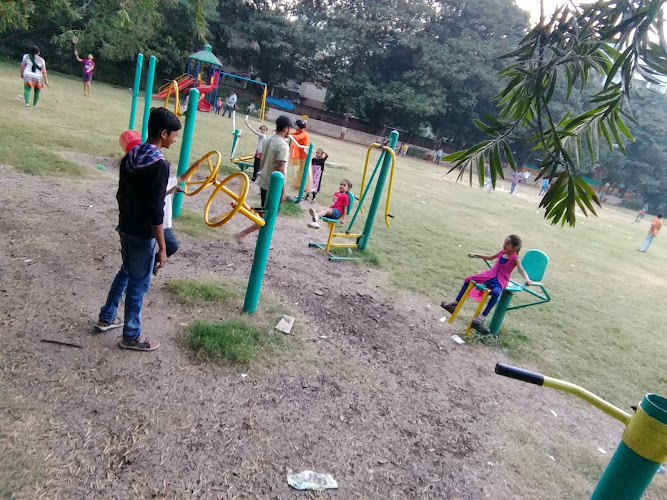
Children's Traffic Park

Jawaharlal Nehru Garden
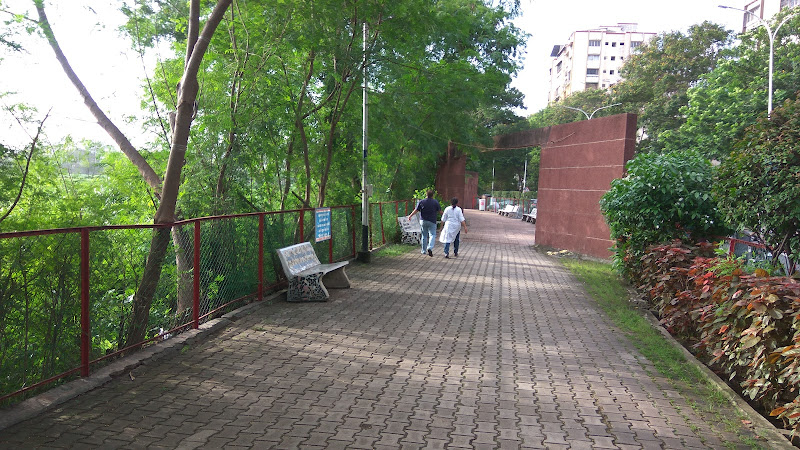
Joggers Park
Find Accommodations Nearby
Recommended Tours & Activities
Visitor Reviews
There are no reviews yet. Be the first one to write one.
Share Your Experience
Have you visited Surat Fort? Help other travelers by leaving a review.