
SunWatch Village
About SunWatch Village
Description
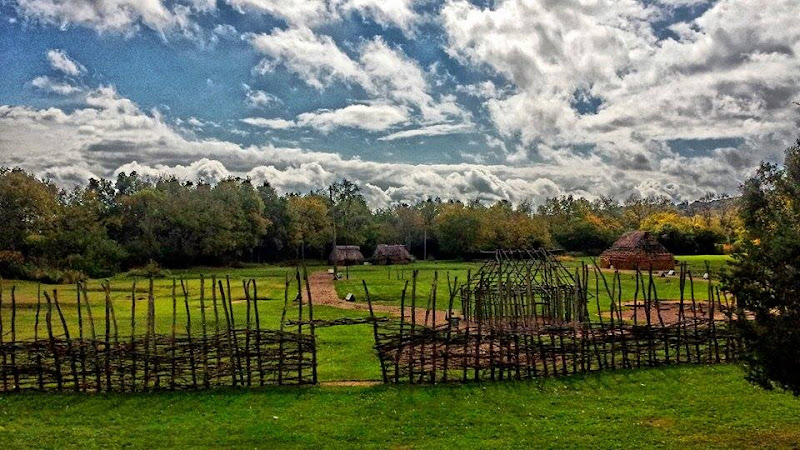
SunWatch Village in Dayton, Ohio, is one of those places that quietly sneaks up on you with its depth and meaning. It’s not just another museum or historical landmark—it’s a living conversation between the past and the present. The site preserves the remains of a 13th-century Fort Ancient culture settlement, and walking through it feels like stepping into a story that’s been waiting 800 years to be told. What’s remarkable is how much care has gone into reconstructing the village based on archaeological discoveries that began back in the 1960s. You can almost picture the people who once lived here—farmers, artisans, families—going about their lives along the Great Miami River, guided by the rhythms of the sun and seasons.
The reconstructed dwellings, wooden palisades, and central plaza give visitors a sense of how sophisticated this community really was. It wasn’t just a cluster of huts; it was a planned village with a solar calendar built into its design. The Fort Ancient people had a surprisingly advanced understanding of astronomy, agriculture, and social organization. And honestly, standing there, you can’t help but feel a little humbled thinking about how much they knew without modern technology. The interpretive center nearby adds even more context, displaying artifacts like pottery, tools, and ornaments that tell the story of daily life and ceremonial traditions.
It’s a place that manages to be peaceful and thought-provoking at the same time. Some visitors come for the archaeology, others for the cultural education, and a few just for the quiet walk among reconstructed homes and open fields. But most leave with a deeper appreciation for the people who lived here long before Dayton ever became a city. Sure, not every exhibit is flashy or high-tech, but that’s part of the charm. It’s authentic. It’s grounded. And it gives you space to think, which is something too many attractions forget to offer these days.
Key Features
- Authentic reconstruction of a 13th-century Fort Ancient Native American village
- Interpretive Center featuring artifacts, educational exhibits, and multimedia presentations
- Guided tours led by knowledgeable staff and volunteers
- Outdoor walking paths connecting reconstructed dwellings and the central plaza
- On-site gift shop offering Native American-inspired crafts and books
- Wheelchair-accessible facilities, including parking, restrooms, and entrances
- Family-friendly environment with educational programs for kids
- On-site restrooms and picnic areas for visitors
- Affordable admission fees supporting cultural preservation
One of the lesser-known highlights is the solar calendar—an arrangement of posts that align with the sun at specific times of the year. It’s not just a neat archaeological feature; it’s a reminder that ancient communities were deeply connected to the natural world in ways we often overlook today. And if you’re into photography, the light during early morning or late afternoon makes for some stunning shots across the reconstructed village.
Best Time to Visit
Honestly, SunWatch Village has a different charm depending on when you visit. Spring and fall are often considered the best times—the weather’s mild, the colors are rich, and you can comfortably explore the outdoor areas without the summer heat. The reconstructed homes and wooden structures look especially striking under autumn light, when the surrounding trees start to turn golden and red. Summer, of course, brings more events and guided programs, which can be great if you’re traveling with kids or just love learning through hands-on experiences. Just be prepared for a bit of humidity—it’s Ohio, after all.
Winter visits are quieter, almost meditative. The snow gives the village an entirely different personality, and if you’re someone who appreciates solitude, that might actually be the best time. Plus, the indoor exhibits are warm and inviting, offering a cozy escape from the cold. My personal favorite? Late September. There’s something about the crisp air and the sound of leaves crunching underfoot that makes history feel alive in a way that’s hard to describe. You can almost hear echoes of the past in the breeze.
How to Get There
Getting to SunWatch Village is pretty straightforward if you’re in the Dayton area. It’s just a short drive from downtown, tucked along the Great Miami River. Most people choose to drive since it’s not far from major highways, and there’s convenient on-site parking once you arrive. The route takes you through a mix of city and countryside, and by the time you pull into the parking lot, you’re already in a different mindset—ready to slow down and explore.
If you’re visiting from out of town, Dayton International Airport is the nearest major hub, about a 25-minute drive away. Some travelers opt for rideshares or rental cars, especially if they plan to explore other nearby attractions like the Boonshoft Museum of Discovery, which actually manages the site. Public transportation options are limited, so driving really is your best bet. And honestly, part of the fun is the drive itself—it’s the kind of route where you can roll down your windows, feel the breeze, and imagine how this land must have looked centuries ago.
Tips for Visiting
Here’s where a few insider tips can make your visit smoother and more rewarding. First, wear comfortable shoes. You’ll be walking on uneven paths and grassy areas, and while it’s not strenuous, it’s definitely more enjoyable if you’re not worrying about your footwear. Bring water, especially during warmer months, since there’s plenty to explore outdoors. And if you’re into photography or sketching, don’t forget your gear—there’s a quiet beauty here that’s worth capturing.
Arriving earlier in the day is a good idea if you want to avoid crowds or have more time to linger at exhibits. The staff are incredibly knowledgeable, so don’t hesitate to ask questions—they love sharing stories that don’t always make it onto the display panels. If you’re traveling with kids, check ahead for any special events or workshops; they often host family-friendly activities that make learning about Native American culture fun and interactive.
Accessibility is well thought out here, with wheelchair-friendly paths and facilities, so everyone can enjoy the experience comfortably. The gift shop is small but thoughtfully curated, and it’s worth stopping by before you leave—especially if you want a meaningful souvenir that supports local education and preservation efforts. And here’s a little personal tip: take a moment to just sit in the central plaza. No phone, no distractions. Just sit. You’ll start to notice the sounds of birds, the rustle of the wind, and maybe—if you’re lucky—the faint sense that you’re connected to something much older than yourself.
SunWatch Village isn’t a flashy attraction, and that’s exactly what makes it special. It’s a place that rewards curiosity and reflection. Whether you’re a history buff, a teacher, a family traveler, or just someone who loves discovering the quieter corners of the world, this site has a way of staying with you long after you’ve left. And that’s the sign of a truly memorable place.
Key Features
- Authentic reconstruction of a 13th-century Fort Ancient Native American village
- Interpretive Center featuring artifacts, educational exhibits, and multimedia presentations
- Guided tours led by knowledgeable staff and volunteers
- Outdoor walking paths connecting reconstructed dwellings and the central plaza
- On-site gift shop offering Native American-inspired crafts and books
- Wheelchair-accessible facilities, including parking, restrooms, and entrances
- Family-friendly environment with educational programs for kids
- On-site restrooms and picnic areas for visitors
More Details
Updated November 7, 2025
Table of Contents
Description
SunWatch Village in Dayton, Ohio, is one of those places that quietly sneaks up on you with its depth and meaning. It’s not just another museum or historical landmark—it’s a living conversation between the past and the present. The site preserves the remains of a 13th-century Fort Ancient culture settlement, and walking through it feels like stepping into a story that’s been waiting 800 years to be told. What’s remarkable is how much care has gone into reconstructing the village based on archaeological discoveries that began back in the 1960s. You can almost picture the people who once lived here—farmers, artisans, families—going about their lives along the Great Miami River, guided by the rhythms of the sun and seasons.
The reconstructed dwellings, wooden palisades, and central plaza give visitors a sense of how sophisticated this community really was. It wasn’t just a cluster of huts; it was a planned village with a solar calendar built into its design. The Fort Ancient people had a surprisingly advanced understanding of astronomy, agriculture, and social organization. And honestly, standing there, you can’t help but feel a little humbled thinking about how much they knew without modern technology. The interpretive center nearby adds even more context, displaying artifacts like pottery, tools, and ornaments that tell the story of daily life and ceremonial traditions.
It’s a place that manages to be peaceful and thought-provoking at the same time. Some visitors come for the archaeology, others for the cultural education, and a few just for the quiet walk among reconstructed homes and open fields. But most leave with a deeper appreciation for the people who lived here long before Dayton ever became a city. Sure, not every exhibit is flashy or high-tech, but that’s part of the charm. It’s authentic. It’s grounded. And it gives you space to think, which is something too many attractions forget to offer these days.
Key Features
- Authentic reconstruction of a 13th-century Fort Ancient Native American village
- Interpretive Center featuring artifacts, educational exhibits, and multimedia presentations
- Guided tours led by knowledgeable staff and volunteers
- Outdoor walking paths connecting reconstructed dwellings and the central plaza
- On-site gift shop offering Native American-inspired crafts and books
- Wheelchair-accessible facilities, including parking, restrooms, and entrances
- Family-friendly environment with educational programs for kids
- On-site restrooms and picnic areas for visitors
- Affordable admission fees supporting cultural preservation
One of the lesser-known highlights is the solar calendar—an arrangement of posts that align with the sun at specific times of the year. It’s not just a neat archaeological feature; it’s a reminder that ancient communities were deeply connected to the natural world in ways we often overlook today. And if you’re into photography, the light during early morning or late afternoon makes for some stunning shots across the reconstructed village.
Best Time to Visit
Honestly, SunWatch Village has a different charm depending on when you visit. Spring and fall are often considered the best times—the weather’s mild, the colors are rich, and you can comfortably explore the outdoor areas without the summer heat. The reconstructed homes and wooden structures look especially striking under autumn light, when the surrounding trees start to turn golden and red. Summer, of course, brings more events and guided programs, which can be great if you’re traveling with kids or just love learning through hands-on experiences. Just be prepared for a bit of humidity—it’s Ohio, after all.
Winter visits are quieter, almost meditative. The snow gives the village an entirely different personality, and if you’re someone who appreciates solitude, that might actually be the best time. Plus, the indoor exhibits are warm and inviting, offering a cozy escape from the cold. My personal favorite? Late September. There’s something about the crisp air and the sound of leaves crunching underfoot that makes history feel alive in a way that’s hard to describe. You can almost hear echoes of the past in the breeze.
How to Get There
Getting to SunWatch Village is pretty straightforward if you’re in the Dayton area. It’s just a short drive from downtown, tucked along the Great Miami River. Most people choose to drive since it’s not far from major highways, and there’s convenient on-site parking once you arrive. The route takes you through a mix of city and countryside, and by the time you pull into the parking lot, you’re already in a different mindset—ready to slow down and explore.
If you’re visiting from out of town, Dayton International Airport is the nearest major hub, about a 25-minute drive away. Some travelers opt for rideshares or rental cars, especially if they plan to explore other nearby attractions like the Boonshoft Museum of Discovery, which actually manages the site. Public transportation options are limited, so driving really is your best bet. And honestly, part of the fun is the drive itself—it’s the kind of route where you can roll down your windows, feel the breeze, and imagine how this land must have looked centuries ago.
Tips for Visiting
Here’s where a few insider tips can make your visit smoother and more rewarding. First, wear comfortable shoes. You’ll be walking on uneven paths and grassy areas, and while it’s not strenuous, it’s definitely more enjoyable if you’re not worrying about your footwear. Bring water, especially during warmer months, since there’s plenty to explore outdoors. And if you’re into photography or sketching, don’t forget your gear—there’s a quiet beauty here that’s worth capturing.
Arriving earlier in the day is a good idea if you want to avoid crowds or have more time to linger at exhibits. The staff are incredibly knowledgeable, so don’t hesitate to ask questions—they love sharing stories that don’t always make it onto the display panels. If you’re traveling with kids, check ahead for any special events or workshops; they often host family-friendly activities that make learning about Native American culture fun and interactive.
Accessibility is well thought out here, with wheelchair-friendly paths and facilities, so everyone can enjoy the experience comfortably. The gift shop is small but thoughtfully curated, and it’s worth stopping by before you leave—especially if you want a meaningful souvenir that supports local education and preservation efforts. And here’s a little personal tip: take a moment to just sit in the central plaza. No phone, no distractions. Just sit. You’ll start to notice the sounds of birds, the rustle of the wind, and maybe—if you’re lucky—the faint sense that you’re connected to something much older than yourself.
SunWatch Village isn’t a flashy attraction, and that’s exactly what makes it special. It’s a place that rewards curiosity and reflection. Whether you’re a history buff, a teacher, a family traveler, or just someone who loves discovering the quieter corners of the world, this site has a way of staying with you long after you’ve left. And that’s the sign of a truly memorable place.
Key Highlights
- Authentic reconstruction of a 13th-century Fort Ancient Native American village
- Interpretive Center featuring artifacts, educational exhibits, and multimedia presentations
- Guided tours led by knowledgeable staff and volunteers
- Outdoor walking paths connecting reconstructed dwellings and the central plaza
- On-site gift shop offering Native American-inspired crafts and books
- Wheelchair-accessible facilities, including parking, restrooms, and entrances
- Family-friendly environment with educational programs for kids
- On-site restrooms and picnic areas for visitors
Location
Places to Stay Near SunWatch Village
Find and Book a Tour
Explore More Travel Guides
No reviews found! Be the first to review!
Traveler Reviews for SunWatch Village
There are no reviews yet. Be the first one to write one.
Have you visited SunWatch Village? Help other travelers by sharing your review.
You Might Also Like
Aullwood Audubon
Woodland Cemetery and Arboretum
Patterson Homestead
Find Accommodations Nearby
Recommended Tours & Activities
Visitor Reviews
There are no reviews yet. Be the first one to write one.
Share Your Experience
Have you visited SunWatch Village? Help other travelers by leaving a review.