
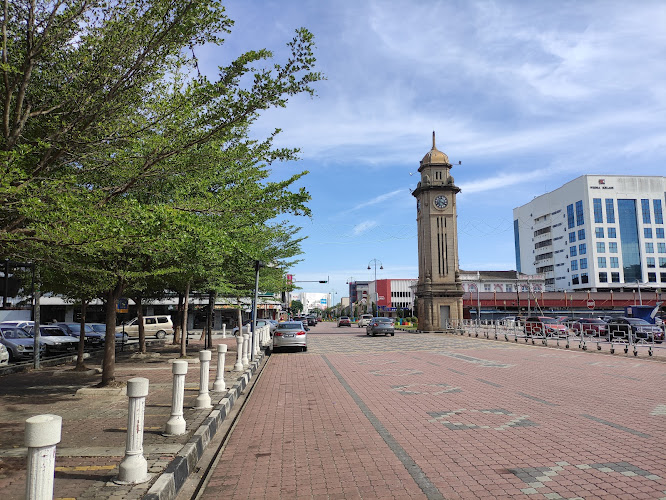
Sungai Petani
About Sungai Petani
Description
Sungai Petani sits in the Kuala Muda District of Kedah and, quietly, it punches above its weight. More people live in its municipal area than in Alor Setar, Kedah’s state capital, and yet Sungai Petani still feels like a town that minds its own business. It doesn’t try too hard to impress you. And honestly, that’s part of the charm.
Located roughly 55 kilometers south of Alor Setar and about 33 kilometers northeast of George Town in Penang, Sungai Petani often becomes a stopover by accident. Travelers pass through on the way to Penang beaches or northern Thai border towns. But those who slow down and stay a night or two tend to discover a place that’s deeply local, food-obsessed, and refreshingly unpolished.
The town grew alongside Malaysia’s industrial expansion, and that background still shows. There are factories on the edges, shop houses in the middle, and kampung-style neighborhoods tucked quietly behind busy roads. It’s not pretty in a postcard way. But it feels lived-in, practical, and real. If George Town is a conversation starter, Sungai Petani is that honest friend who tells it like it is.
One thing that often surprises visitors is how self-sufficient the town is. Big malls, night markets, hospitals, schools, mosques, temples, churches, and kopitiams all coexist without drama. The population mix—Malay, Chinese, Indian, and others—shapes daily life in subtle ways, especially when it comes to food. Breakfast alone can turn into a three-stop adventure if you let it. I once planned to grab a quick coffee here and somehow lost an entire morning to roti canai, pork noodles, and a random stall selling kuih I couldn’t even name. No regrets.
Sungai Petani doesn’t pretend to be a resort town or a heritage showcase. It’s a working Malaysian town, and travelers who appreciate that tend to enjoy it more. The pace is slower than Penang but faster than rural Kedah. There’s a rhythm to daily life—school traffic in the morning, lunch crowds at hawker centers, and quieter evenings unless there’s a pasar malam happening somewhere nearby.
Key Features
- Food-first culture: Local hawker food is the real headline here, from nasi kandar-style rice to regional Kedah Malay dishes and old-school Chinese coffee shops.
- Strategic location: Close enough to Penang for day trips, yet far enough to avoid the constant tourist rush.
- Gunung Jerai nearby: The mountain looms in the background and offers hiking, waterfalls, and cooler air just a short drive away.
- Everyday Malaysian life: Markets, mosques, temples, and neighborhoods operate as they always have, without being staged for visitors.
- Affordable travel costs: Accommodation, food, and transport generally cost less here than in major tourist hubs.
- Strong local identity: Sungai Petani residents are proud of their town, even if they joke about it not being glamorous.
Best Time to Visit
Sungai Petani doesn’t have dramatic seasonal swings, but timing still matters if comfort is your thing. The dry months between December and March are generally easier for walking around and exploring nearby outdoor spots. Humidity is still a thing—this is Malaysia, after all—but rainfall tends to be lighter.
April to October brings more frequent rain, especially in the afternoons. But here’s the thing: rain doesn’t shut the town down. Life continues. Hawker stalls stay open. People just wait it out with a coffee and a chat. If you don’t mind the occasional downpour, this period can actually feel more relaxed, with fewer domestic travelers around.
Festive periods add another layer. Hari Raya, Chinese New Year, and Deepavali each change the town’s mood in different ways. Shops close, then reopen. Food offerings shift. Streets get quieter or busier depending on the holiday. Visiting during these times can feel confusing at first, but it’s also when Sungai Petani shows its cultural layers most clearly. Just plan meals ahead, trust me on that.
How to Get There
Reaching Sungai Petani is straightforward, which probably explains why so many people pass through without stopping. From Penang, it’s about a 45-minute drive depending on traffic. Crossing from the island to the mainland can be the slow part, but once you’re on the highway, it’s smooth sailing.
By train, Sungai Petani sits on Malaysia’s main north–south rail line. Trains connect it to Butterworth, Alor Setar, and Kuala Lumpur. The station itself is functional, nothing fancy, but it drops you right into town. If you enjoy watching daily life unfold from a train window, this route is a good one.
Buses also run regularly from major northern hubs. They’re affordable and frequent, though schedules can feel more like suggestions than promises. Renting a car, however, gives the most flexibility—especially if you want to explore Gunung Jerai, beaches along the Kedah coast, or smaller villages nearby. And yes, driving here is manageable. Just expect motorbikes to appear from unexpected angles. It’s part of the local driving grammar.
Tips for Visiting
First tip: come hungry. Sungai Petani rewards travelers who plan their days around meals. Ask locals where they eat, not where they send tourists. You might get vague directions and a laugh, but you’ll eat well. And don’t be shy about eating breakfast more than once. It happens.
Dress for the heat and for respect. Lightweight clothing helps, but modesty matters, especially around religious sites. You don’t need to overthink it, just be sensible. Carrying a small towel or handkerchief sounds old-fashioned, but it’s useful. Sweat is real here.
Don’t rush. Sungai Petani doesn’t reveal itself in highlights and landmarks. It’s in conversations, routines, and repetition. Sit at a coffee shop longer than planned. Walk through a residential street in the late afternoon. Watch how the town shifts as the sun goes down. These moments stick.
Language-wise, basic English is understood, but not always confidently spoken. A few Malay phrases go a long way. Even a simple terima kasih can change how an interaction feels. And yes, smiles count as a universal language here.
Be prepared for mixed impressions. Some travelers find Sungai Petani plain or messy at first glance. Others grow fond of it quickly. Both reactions are valid. The town doesn’t perform for visitors, and that honesty can feel refreshing or uncomfortable depending on what you’re used to. Personally, places like this tend to grow on people after they leave. You might not rave about it immediately, but weeks later you’ll remember a meal, a conversation, or a quiet evening and think, yeah, that was nice.
Lastly, use Sungai Petani as a base, not just a stop. Stay a couple of nights. Explore outward during the day and come back for dinner. Let the town’s practical, unshowy personality do its thing. It won’t shout for your attention. But if you listen, it has plenty to say.
Key Features
- Key Features
- Best Time to Visit
- How to Get There
- Tips for Visiting
More Details
Updated December 30, 2025
Table of Contents
Description
Sungai Petani sits in the Kuala Muda District of Kedah and, quietly, it punches above its weight. More people live in its municipal area than in Alor Setar, Kedah’s state capital, and yet Sungai Petani still feels like a town that minds its own business. It doesn’t try too hard to impress you. And honestly, that’s part of the charm.
Located roughly 55 kilometers south of Alor Setar and about 33 kilometers northeast of George Town in Penang, Sungai Petani often becomes a stopover by accident. Travelers pass through on the way to Penang beaches or northern Thai border towns. But those who slow down and stay a night or two tend to discover a place that’s deeply local, food-obsessed, and refreshingly unpolished.
The town grew alongside Malaysia’s industrial expansion, and that background still shows. There are factories on the edges, shop houses in the middle, and kampung-style neighborhoods tucked quietly behind busy roads. It’s not pretty in a postcard way. But it feels lived-in, practical, and real. If George Town is a conversation starter, Sungai Petani is that honest friend who tells it like it is.
One thing that often surprises visitors is how self-sufficient the town is. Big malls, night markets, hospitals, schools, mosques, temples, churches, and kopitiams all coexist without drama. The population mix—Malay, Chinese, Indian, and others—shapes daily life in subtle ways, especially when it comes to food. Breakfast alone can turn into a three-stop adventure if you let it. I once planned to grab a quick coffee here and somehow lost an entire morning to roti canai, pork noodles, and a random stall selling kuih I couldn’t even name. No regrets.
Sungai Petani doesn’t pretend to be a resort town or a heritage showcase. It’s a working Malaysian town, and travelers who appreciate that tend to enjoy it more. The pace is slower than Penang but faster than rural Kedah. There’s a rhythm to daily life—school traffic in the morning, lunch crowds at hawker centers, and quieter evenings unless there’s a pasar malam happening somewhere nearby.
Key Features
- Food-first culture: Local hawker food is the real headline here, from nasi kandar-style rice to regional Kedah Malay dishes and old-school Chinese coffee shops.
- Strategic location: Close enough to Penang for day trips, yet far enough to avoid the constant tourist rush.
- Gunung Jerai nearby: The mountain looms in the background and offers hiking, waterfalls, and cooler air just a short drive away.
- Everyday Malaysian life: Markets, mosques, temples, and neighborhoods operate as they always have, without being staged for visitors.
- Affordable travel costs: Accommodation, food, and transport generally cost less here than in major tourist hubs.
- Strong local identity: Sungai Petani residents are proud of their town, even if they joke about it not being glamorous.
Best Time to Visit
Sungai Petani doesn’t have dramatic seasonal swings, but timing still matters if comfort is your thing. The dry months between December and March are generally easier for walking around and exploring nearby outdoor spots. Humidity is still a thing—this is Malaysia, after all—but rainfall tends to be lighter.
April to October brings more frequent rain, especially in the afternoons. But here’s the thing: rain doesn’t shut the town down. Life continues. Hawker stalls stay open. People just wait it out with a coffee and a chat. If you don’t mind the occasional downpour, this period can actually feel more relaxed, with fewer domestic travelers around.
Festive periods add another layer. Hari Raya, Chinese New Year, and Deepavali each change the town’s mood in different ways. Shops close, then reopen. Food offerings shift. Streets get quieter or busier depending on the holiday. Visiting during these times can feel confusing at first, but it’s also when Sungai Petani shows its cultural layers most clearly. Just plan meals ahead, trust me on that.
How to Get There
Reaching Sungai Petani is straightforward, which probably explains why so many people pass through without stopping. From Penang, it’s about a 45-minute drive depending on traffic. Crossing from the island to the mainland can be the slow part, but once you’re on the highway, it’s smooth sailing.
By train, Sungai Petani sits on Malaysia’s main north–south rail line. Trains connect it to Butterworth, Alor Setar, and Kuala Lumpur. The station itself is functional, nothing fancy, but it drops you right into town. If you enjoy watching daily life unfold from a train window, this route is a good one.
Buses also run regularly from major northern hubs. They’re affordable and frequent, though schedules can feel more like suggestions than promises. Renting a car, however, gives the most flexibility—especially if you want to explore Gunung Jerai, beaches along the Kedah coast, or smaller villages nearby. And yes, driving here is manageable. Just expect motorbikes to appear from unexpected angles. It’s part of the local driving grammar.
Tips for Visiting
First tip: come hungry. Sungai Petani rewards travelers who plan their days around meals. Ask locals where they eat, not where they send tourists. You might get vague directions and a laugh, but you’ll eat well. And don’t be shy about eating breakfast more than once. It happens.
Dress for the heat and for respect. Lightweight clothing helps, but modesty matters, especially around religious sites. You don’t need to overthink it, just be sensible. Carrying a small towel or handkerchief sounds old-fashioned, but it’s useful. Sweat is real here.
Don’t rush. Sungai Petani doesn’t reveal itself in highlights and landmarks. It’s in conversations, routines, and repetition. Sit at a coffee shop longer than planned. Walk through a residential street in the late afternoon. Watch how the town shifts as the sun goes down. These moments stick.
Language-wise, basic English is understood, but not always confidently spoken. A few Malay phrases go a long way. Even a simple terima kasih can change how an interaction feels. And yes, smiles count as a universal language here.
Be prepared for mixed impressions. Some travelers find Sungai Petani plain or messy at first glance. Others grow fond of it quickly. Both reactions are valid. The town doesn’t perform for visitors, and that honesty can feel refreshing or uncomfortable depending on what you’re used to. Personally, places like this tend to grow on people after they leave. You might not rave about it immediately, but weeks later you’ll remember a meal, a conversation, or a quiet evening and think, yeah, that was nice.
Lastly, use Sungai Petani as a base, not just a stop. Stay a couple of nights. Explore outward during the day and come back for dinner. Let the town’s practical, unshowy personality do its thing. It won’t shout for your attention. But if you listen, it has plenty to say.
Key Highlights
- Key Features
- Best Time to Visit
- How to Get There
- Tips for Visiting
Location
Places to Stay Near Sungai Petani
Find and Book a Tour
Explore More Travel Guides
No reviews found! Be the first to review!
Traveler Reviews for Sungai Petani
There are no reviews yet. Be the first one to write one.
Have you visited Sungai Petani? Help other travelers by sharing your review.
You Might Also Like

Sungai Merbok Mangrove Forest Reserve
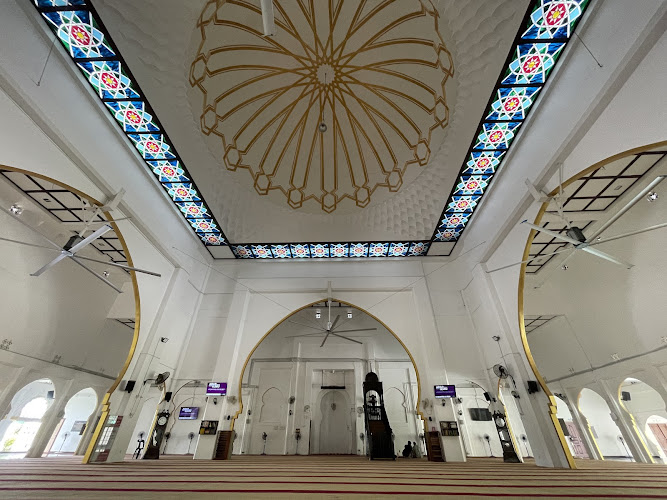
Masjid Sultan Muzaffar Shah
Pejabat Perikanan Daerah Kuala Muda/Yan
Find Accommodations Nearby
Recommended Tours & Activities
Visitor Reviews
There are no reviews yet. Be the first one to write one.
Share Your Experience
Have you visited Sungai Petani? Help other travelers by leaving a review.