
Sungai Merbok Mangrove Forest Reserve
About Sungai Merbok Mangrove Forest Reserve
Description
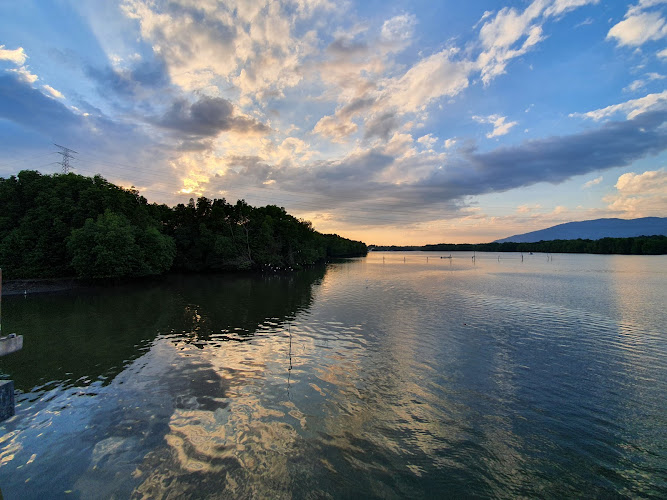
The Sungai Merbok Mangrove Forest Reserve is one of those places that quietly rewires how you think about nature. It’s not flashy, it doesn’t scream for attention, and honestly that’s part of its charm. Stretching along the Sungai Merbok river system in Kedah, this mangrove forest reserve is considered one of the largest and best-managed mangrove ecosystems in Malaysia. And when people say “large,” they mean it—thousands of hectares of tangled roots, tidal creeks, and muddy banks that somehow feel both ancient and alive.
Walking or boating through the reserve, you start to notice how everything is connected. The trees aren’t just trees. They’re coastal guardians, fish nurseries, carbon storage machines, and shade for a whole cast of creatures that don’t show up on glossy brochures. I remember the first time I visited, expecting something like a wooden boardwalk and a few info signs. Instead, I ended up on a slow river boat, the engine humming softly, watching mudskippers hop around like they owned the place. And honestly, they kind of do.
This mangrove forest reserve plays a huge role in protecting nearby coastal communities from erosion and storm surges. It also supports local livelihoods through fishing and small-scale aquaculture. Travelers often underestimate how important mangroves are until they stand there, ankle-deep in mud, realizing these twisted roots are holding entire ecosystems together. It’s educational without feeling preachy, which I appreciate. No one likes being lectured while on holiday.
For travelers with kids, this place works surprisingly well. Children tend to love spotting crabs, monkeys, and birds, and there’s something about being outdoors with real mud and real bugs that screens just can’t compete with. And yes, you’ll probably get dirty. But that’s half the fun. Just don’t wear your favorite shoes, trust me on that one.
Key Features
- One of Malaysia’s largest mangrove forest reserves, covering extensive riverine and coastal zones
- Rich biodiversity including mangrove tree species, mudskippers, monitor lizards, monkeys, and migratory birds
- Boat tours along Sungai Merbok that offer close-up views of mangrove ecology
- Important ecological role in coastal protection and carbon storage
- Educational value for families, students, and eco-curious travelers
- Calmer, less tourist-heavy atmosphere compared to beach destinations
- Opportunities for wildlife photography and slow travel experiences
Best Time to Visit
Timing matters more than you might think when visiting the Sungai Merbok Mangrove Forest Reserve. Mangroves are tidal environments, and that affects what you see and how you experience the place. Generally, the drier months from December to March are easier for travel, with less rain and clearer skies. That said, a bit of cloud cover can actually be a blessing here. The sun reflecting off muddy water can be brutal at midday.
Early mornings are golden. The air feels cooler, birds are more active, and the river surface often looks like glass. I once went out just after sunrise, half-awake and clutching a cup of kopi, and ended up watching egrets glide across the water like something out of a nature documentary. Worth every yawn.
Afternoons can still be rewarding, especially if you’re doing a boat tour, but heat and humidity ramp up fast. If you’re visiting during the monsoon season, expect heavier rain and muddy trails. But here’s the thing—mangroves thrive on water. The forest looks lush and dramatic after rainfall, and fewer visitors mean a quieter experience. So it’s not a deal-breaker, just come prepared.
How to Get There
Getting to Sungai Merbok Mangrove Forest Reserve is fairly straightforward if you’re already in Kedah or nearby states. Most travelers base themselves in towns like Sungai Petani or Alor Setar and travel by car from there. Public transport can get you part of the way, but having your own wheels—or hiring a driver—makes life much easier. The roads are generally in decent condition, though some smaller access points near the river feel a bit rural. Which, again, is part of the experience.
If you’re the type who likes everything planned down to the minute, you might find this area a bit loosey-goosey. Signage isn’t always crystal clear, and you may need to ask locals for directions. Don’t be shy. People here are friendly and usually happy to point you the right way, sometimes with a story or two thrown in for free.
Once you’re near the river, access depends on what you want to do. Boat tours typically operate from local jetties, often run by community operators. It’s a good idea to arrive earlier in the day to sort out arrangements, especially on weekends or public holidays.
Tips for Visiting
First things first: dress for the environment, not for photos. Lightweight, breathable clothing is your friend. Long sleeves help with sun and insects. And shoes—please, closed-toe shoes you don’t mind getting muddy. I ignored this advice once and spent the rest of the day regretting my sandals.
Bring water. More than you think you need. The humidity sneaks up on you, and dehydration is no joke. A hat and sunscreen are essential too, even if the sky looks overcast.
If you’re visiting with kids, turn it into a mini adventure. Challenge them to spot different animals or count how many crab holes they can find. It keeps them engaged and makes the educational aspect feel like play, not homework.
Photography lovers should pack a zoom lens if possible. Wildlife here doesn’t always pose politely. Early morning and late afternoon light works best, but be patient. The forest operates on its own schedule, not yours.
Respect the environment. This should go without saying, but mangroves are fragile despite looking tough. Don’t litter, don’t remove plants or animals, and follow local guidelines. These forests are doing serious work protecting coastlines and supporting fisheries. The least we can do is tread lightly.
Lastly, manage your expectations. This isn’t a theme park or a manicured garden. It’s muddy, sometimes smelly, occasionally buggy, and deeply fascinating if you let it be. Go slow. Listen to the sounds. Watch how the water moves around the roots. If you’re anything like me, you’ll leave with a new appreciation for places that don’t try too hard to impress, but end up doing exactly that.
The Sungai Merbok Mangrove Forest Reserve rewards curiosity and patience. It’s a place for travelers who want to understand where they are, not just pass through. And honestly, in a world of rushed itineraries and packed attractions, that feels pretty special.
Key Features
- One of Malaysia’s largest mangrove forest reserves, covering extensive riverine and coastal zones
- Rich biodiversity including mangrove tree species, mudskippers, monitor lizards, monkeys, and migratory birds
- Boat tours along Sungai Merbok that offer close-up views of mangrove ecology
- Important ecological role in coastal protection and carbon storage
- Educational value for families, students, and eco-curious travelers
- Calmer, less tourist-heavy atmosphere compared to beach destinations
- Opportunities for wildlife photography and slow travel experiences
More Details
Updated December 30, 2025
Table of Contents
- Description
- Key Features
- Best Time to Visit
- How to Get There
- Tips for Visiting
- Key Highlights
- Location
- Places to Stay Near Sungai Merbok Mangrove Forest Reserve
- Find and Book a Tour
- Explore More Travel Guides
- Nearby Places You Might Like
- Traveler Reviews for Sungai Merbok Mangrove Forest Reserve
- Share Your Experience
Description
The Sungai Merbok Mangrove Forest Reserve is one of those places that quietly rewires how you think about nature. It’s not flashy, it doesn’t scream for attention, and honestly that’s part of its charm. Stretching along the Sungai Merbok river system in Kedah, this mangrove forest reserve is considered one of the largest and best-managed mangrove ecosystems in Malaysia. And when people say “large,” they mean it—thousands of hectares of tangled roots, tidal creeks, and muddy banks that somehow feel both ancient and alive.
Walking or boating through the reserve, you start to notice how everything is connected. The trees aren’t just trees. They’re coastal guardians, fish nurseries, carbon storage machines, and shade for a whole cast of creatures that don’t show up on glossy brochures. I remember the first time I visited, expecting something like a wooden boardwalk and a few info signs. Instead, I ended up on a slow river boat, the engine humming softly, watching mudskippers hop around like they owned the place. And honestly, they kind of do.
This mangrove forest reserve plays a huge role in protecting nearby coastal communities from erosion and storm surges. It also supports local livelihoods through fishing and small-scale aquaculture. Travelers often underestimate how important mangroves are until they stand there, ankle-deep in mud, realizing these twisted roots are holding entire ecosystems together. It’s educational without feeling preachy, which I appreciate. No one likes being lectured while on holiday.
For travelers with kids, this place works surprisingly well. Children tend to love spotting crabs, monkeys, and birds, and there’s something about being outdoors with real mud and real bugs that screens just can’t compete with. And yes, you’ll probably get dirty. But that’s half the fun. Just don’t wear your favorite shoes, trust me on that one.
Key Features
- One of Malaysia’s largest mangrove forest reserves, covering extensive riverine and coastal zones
- Rich biodiversity including mangrove tree species, mudskippers, monitor lizards, monkeys, and migratory birds
- Boat tours along Sungai Merbok that offer close-up views of mangrove ecology
- Important ecological role in coastal protection and carbon storage
- Educational value for families, students, and eco-curious travelers
- Calmer, less tourist-heavy atmosphere compared to beach destinations
- Opportunities for wildlife photography and slow travel experiences
Best Time to Visit
Timing matters more than you might think when visiting the Sungai Merbok Mangrove Forest Reserve. Mangroves are tidal environments, and that affects what you see and how you experience the place. Generally, the drier months from December to March are easier for travel, with less rain and clearer skies. That said, a bit of cloud cover can actually be a blessing here. The sun reflecting off muddy water can be brutal at midday.
Early mornings are golden. The air feels cooler, birds are more active, and the river surface often looks like glass. I once went out just after sunrise, half-awake and clutching a cup of kopi, and ended up watching egrets glide across the water like something out of a nature documentary. Worth every yawn.
Afternoons can still be rewarding, especially if you’re doing a boat tour, but heat and humidity ramp up fast. If you’re visiting during the monsoon season, expect heavier rain and muddy trails. But here’s the thing—mangroves thrive on water. The forest looks lush and dramatic after rainfall, and fewer visitors mean a quieter experience. So it’s not a deal-breaker, just come prepared.
How to Get There
Getting to Sungai Merbok Mangrove Forest Reserve is fairly straightforward if you’re already in Kedah or nearby states. Most travelers base themselves in towns like Sungai Petani or Alor Setar and travel by car from there. Public transport can get you part of the way, but having your own wheels—or hiring a driver—makes life much easier. The roads are generally in decent condition, though some smaller access points near the river feel a bit rural. Which, again, is part of the experience.
If you’re the type who likes everything planned down to the minute, you might find this area a bit loosey-goosey. Signage isn’t always crystal clear, and you may need to ask locals for directions. Don’t be shy. People here are friendly and usually happy to point you the right way, sometimes with a story or two thrown in for free.
Once you’re near the river, access depends on what you want to do. Boat tours typically operate from local jetties, often run by community operators. It’s a good idea to arrive earlier in the day to sort out arrangements, especially on weekends or public holidays.
Tips for Visiting
First things first: dress for the environment, not for photos. Lightweight, breathable clothing is your friend. Long sleeves help with sun and insects. And shoes—please, closed-toe shoes you don’t mind getting muddy. I ignored this advice once and spent the rest of the day regretting my sandals.
Bring water. More than you think you need. The humidity sneaks up on you, and dehydration is no joke. A hat and sunscreen are essential too, even if the sky looks overcast.
If you’re visiting with kids, turn it into a mini adventure. Challenge them to spot different animals or count how many crab holes they can find. It keeps them engaged and makes the educational aspect feel like play, not homework.
Photography lovers should pack a zoom lens if possible. Wildlife here doesn’t always pose politely. Early morning and late afternoon light works best, but be patient. The forest operates on its own schedule, not yours.
Respect the environment. This should go without saying, but mangroves are fragile despite looking tough. Don’t litter, don’t remove plants or animals, and follow local guidelines. These forests are doing serious work protecting coastlines and supporting fisheries. The least we can do is tread lightly.
Lastly, manage your expectations. This isn’t a theme park or a manicured garden. It’s muddy, sometimes smelly, occasionally buggy, and deeply fascinating if you let it be. Go slow. Listen to the sounds. Watch how the water moves around the roots. If you’re anything like me, you’ll leave with a new appreciation for places that don’t try too hard to impress, but end up doing exactly that.
The Sungai Merbok Mangrove Forest Reserve rewards curiosity and patience. It’s a place for travelers who want to understand where they are, not just pass through. And honestly, in a world of rushed itineraries and packed attractions, that feels pretty special.
Key Highlights
- One of Malaysia’s largest mangrove forest reserves, covering extensive riverine and coastal zones
- Rich biodiversity including mangrove tree species, mudskippers, monitor lizards, monkeys, and migratory birds
- Boat tours along Sungai Merbok that offer close-up views of mangrove ecology
- Important ecological role in coastal protection and carbon storage
- Educational value for families, students, and eco-curious travelers
- Calmer, less tourist-heavy atmosphere compared to beach destinations
- Opportunities for wildlife photography and slow travel experiences
Location
Places to Stay Near Sungai Merbok Mangrove Forest Reserve
Find and Book a Tour
Explore More Travel Guides
No reviews found! Be the first to review!
Traveler Reviews for Sungai Merbok Mangrove Forest Reserve
There are no reviews yet. Be the first one to write one.
Have you visited Sungai Merbok Mangrove Forest Reserve? Help other travelers by sharing your review.
You Might Also Like
Kuala Muda Archaeotourism Gallery
Pejabat Perikanan Daerah Kuala Muda/Yan
Jetty Semeling, Kedah.
Find Accommodations Nearby
Recommended Tours & Activities
Visitor Reviews
There are no reviews yet. Be the first one to write one.
Share Your Experience
Have you visited Sungai Merbok Mangrove Forest Reserve? Help other travelers by leaving a review.