
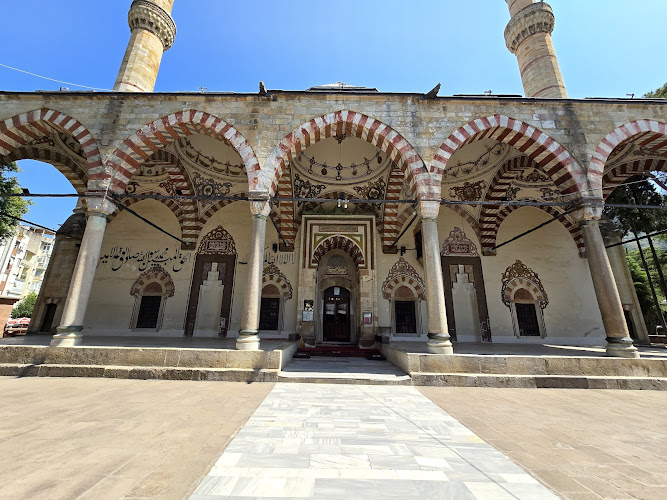
Sultan Mosque
About Sultan Mosque
The Sultan Mosque stands as one of those places that quietly commands respect the moment you step into its courtyard. Built in the 16th century during the reign of Suleiman the Magnificent, this Ottoman-era mosque has a presence that doesn’t shout, but rather settles into you slowly. The first time I visited, I remember thinking it felt less like a tourist attraction and more like a lived-in space, still doing what it was designed to do hundreds of years ago. And honestly, that’s part of the magic.
Architecturally, the mosque follows classic Ottoman design principles, anchored by a commanding central dome that seems to float if you stare at it long enough. Two slender minarets frame the structure, giving it a balanced silhouette against the sky. Around the back wall, there’s an antique sundial that many visitors walk past without noticing. I almost missed it myself, until a local caretaker pointed it out with a quiet pride. It’s small details like that which turn a quick stop into a memorable visit.
Inside, the atmosphere shifts. The noise of the city softens, your footsteps echo lightly, and the light filtering through the windows feels intentional, almost theatrical. It’s not overly ornate, but it doesn’t need to be. The beauty here is in proportion, symmetry, and restraint. And yes, it’s still an active mosque, which means you’re stepping into a space that’s spiritually alive, not frozen in time. For travelers who care about history, culture, and real-world context, the Sultan Mosque offers all three in a single visit.
Key Features
- 16th-century Ottoman construction commissioned during the era of Suleiman the Magnificent
- Large central dome that defines the interior space and acoustics
- Two minarets creating a balanced, classic skyline profile
- Antique sundial preserved on the back wall, still visible today
- Wheelchair-accessible entrance, restrooms, and parking area
- Working place of worship with daily prayers
- Calm courtyard that offers a break from urban noise
- Interior lighting designed to shift naturally throughout the day
Best Time to Visit
Timing matters here, more than people expect. Early morning is my personal favorite, just after sunrise. The light hits the dome at an angle that feels almost cinematic, and the crowds are thin. You’ll hear birds, maybe a few locals greeting each other, and the city waking up slowly around the mosque. It’s peaceful in a way that’s hard to manufacture.
Late afternoon is another solid option, especially if you’re into photography. The stone takes on warmer tones, and shadows stretch across the courtyard. But be aware of prayer times. During major prayer sessions, access for non-worshippers may be limited, which is understandable. I once arrived without checking and had to wait nearby for about 30 minutes. Not the worst thing in the world, honestly. I grabbed a tea and watched the flow of people going in and out.
Weekdays tend to be quieter than weekends. And if you’re visiting during religious holidays or Fridays, expect more foot traffic and a more devotional atmosphere. That can be beautiful to witness, but it’s not ideal if you’re in a rush or hoping for uninterrupted wandering.
How to Get There
Getting to the Sultan Mosque is fairly straightforward, even if you’re not the best with directions (I’m famously bad, so trust me on this). Public transportation options run close by, and from there it’s usually a short walk. The mosque’s minarets act like natural signposts once you’re in the neighborhood.
If you’re coming by taxi or rideshare, most drivers know it by name. Just make sure you pronounce it clearly, or show it written down. I’ve learned that trick the hard way in more than one country. For those driving themselves, there are accessible parking options nearby, which is a relief in busy urban areas.
Walking to the mosque can actually be part of the experience. The surrounding streets give you context, snippets of daily life, little shops, and the rhythm of the area. And that walk back, especially after a reflective visit inside, tends to feel slower, more thoughtful.
Tips for Visiting
First things first, dress respectfully. You don’t need to overthink it, but shoulders and knees should be covered. Head coverings are typically required for women inside the prayer hall, and they’re often provided if you don’t have one. I always keep a lightweight scarf in my bag when traveling, and it’s come in handy more times than I can count.
Shoes come off before entering, so wear something easy to slip on and off. Sounds minor, but when you’re juggling a camera, bag, and your dignity, you’ll appreciate it. And watch where you step; shelves fill up fast.
Be mindful of prayer times and signage. Photography is usually allowed, but not during prayers or of people praying. When in doubt, ask. In my experience, caretakers and worshippers are generally kind and appreciative when visitors show genuine respect and curiosity.
Take a moment to look for the sundial at the back wall. It’s not flashy, but it’s a quiet reminder of how people once measured time with patience and precision. Standing there, I caught myself thinking about how rushed modern travel can be, and how places like this encourage you to slow down, even if just for a few minutes.
Accessibility is well-considered here, with wheelchair-friendly entrances and facilities. That’s not always a given in historic buildings, so it’s worth noting if that matters for your plans. Restrooms are available on-site, which sounds mundane but is a real plus when you’re out exploring all day.
Lastly, don’t rush it. The Sultan Mosque isn’t about ticking a box. Sit in the courtyard, watch the light change, listen to the sounds around you. Travel memories don’t always come from grand gestures. Sometimes they come from standing still in a place that’s stood still for centuries.
Key Features
- 16th-century Ottoman construction commissioned during the era of Suleiman the Magnificent
- Large central dome that defines the interior space and acoustics
- Two minarets creating a balanced, classic skyline profile
- Antique sundial preserved on the back wall, still visible today
- Wheelchair-accessible entrance, restrooms, and parking area
- Working place of worship with daily prayers
- Calm courtyard that offers a break from urban noise
- Interior lighting designed to shift naturally throughout the day
You Might Also Like

*BDT BELEK DOGA TOUR | Daily Tours, Day Trips and Excursions in Antalya*
1464. Sk. No:55
2006. Sk. No:2
Tours & Activities
GetYourGuide provides this tour inventory. We may earn a commission if you book through it; verify current availability, prices, and terms with the provider.
Visitor Reviews
There are no reviews yet. Be the first one to write one.
Share Your Experience
Have you visited Sultan Mosque? Help other travelers by leaving a review.